The Turboprop Fleet Is Growing While Light Jets Shrink
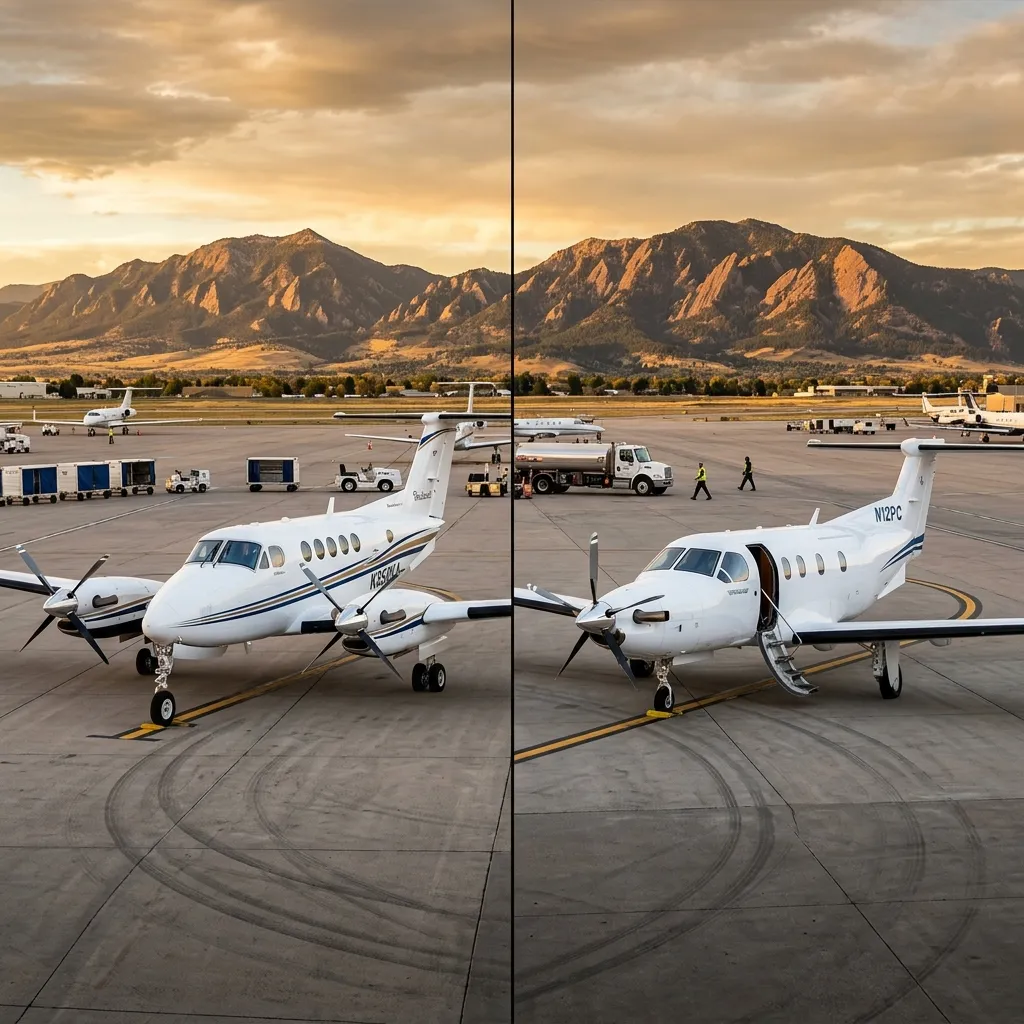
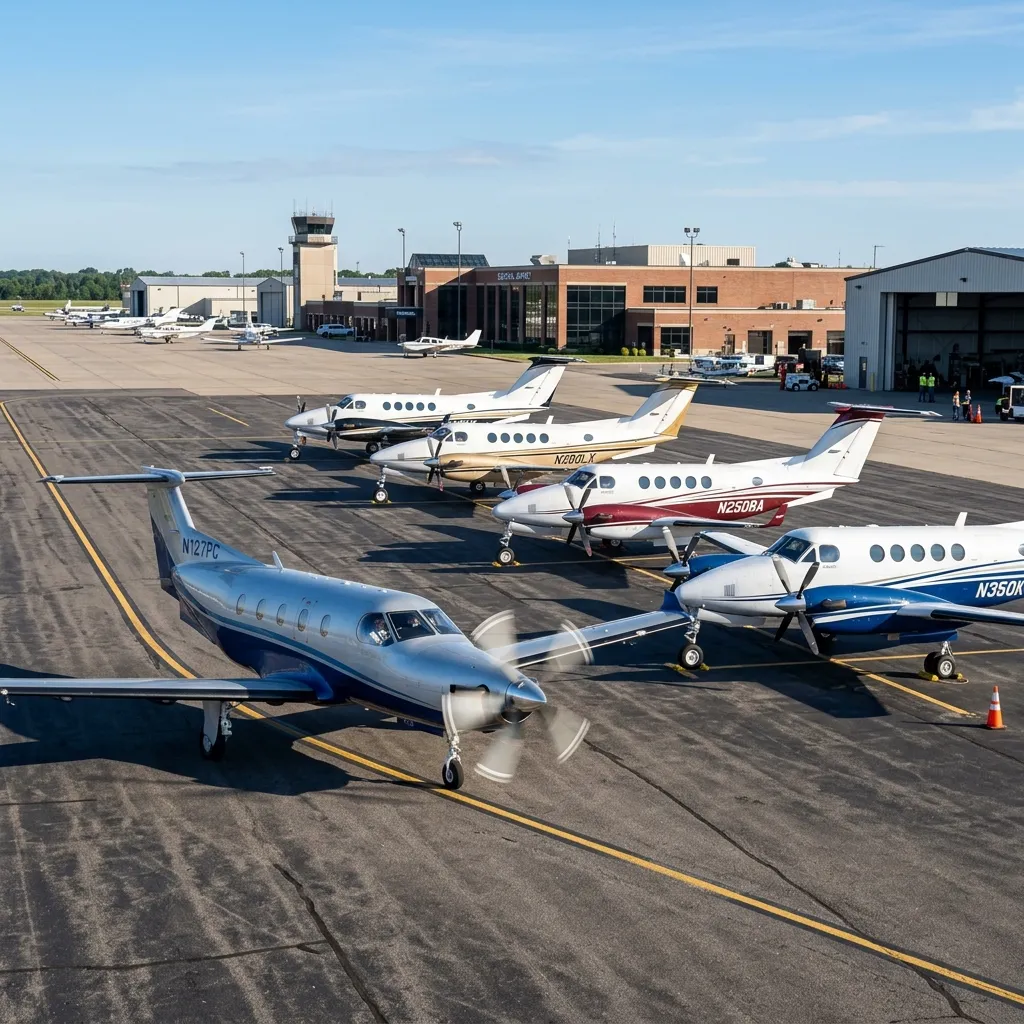
FAA registry data reveals a counterintuitive trend in U.S. business aviation: the turboprop fleet has grown approximately 12% since 2020 while the light jet fleet (aircraft like the Citation CJ series, Learjet 45, and Phenom 100) has contracted by approximately 3% over the same period. The turboprop growth is driven almost entirely by two aircraft families: the Pilatus PC-12 and the Beechcraft King Air. Together, these two types account for over 80% of the U.S. single and twin-engine turboprop fleet used for business transportation.
This growth is not a statistical anomaly or a COVID-era blip. The PC-12 has posted positive net fleet additions every year since 2005. The King Air 350 series has maintained stable fleet numbers despite production slowdowns, because existing airframes are being upgraded and retained rather than retired. Something structural is happening in the economics of business aviation that favors propellers over jets for a growing segment of operators.
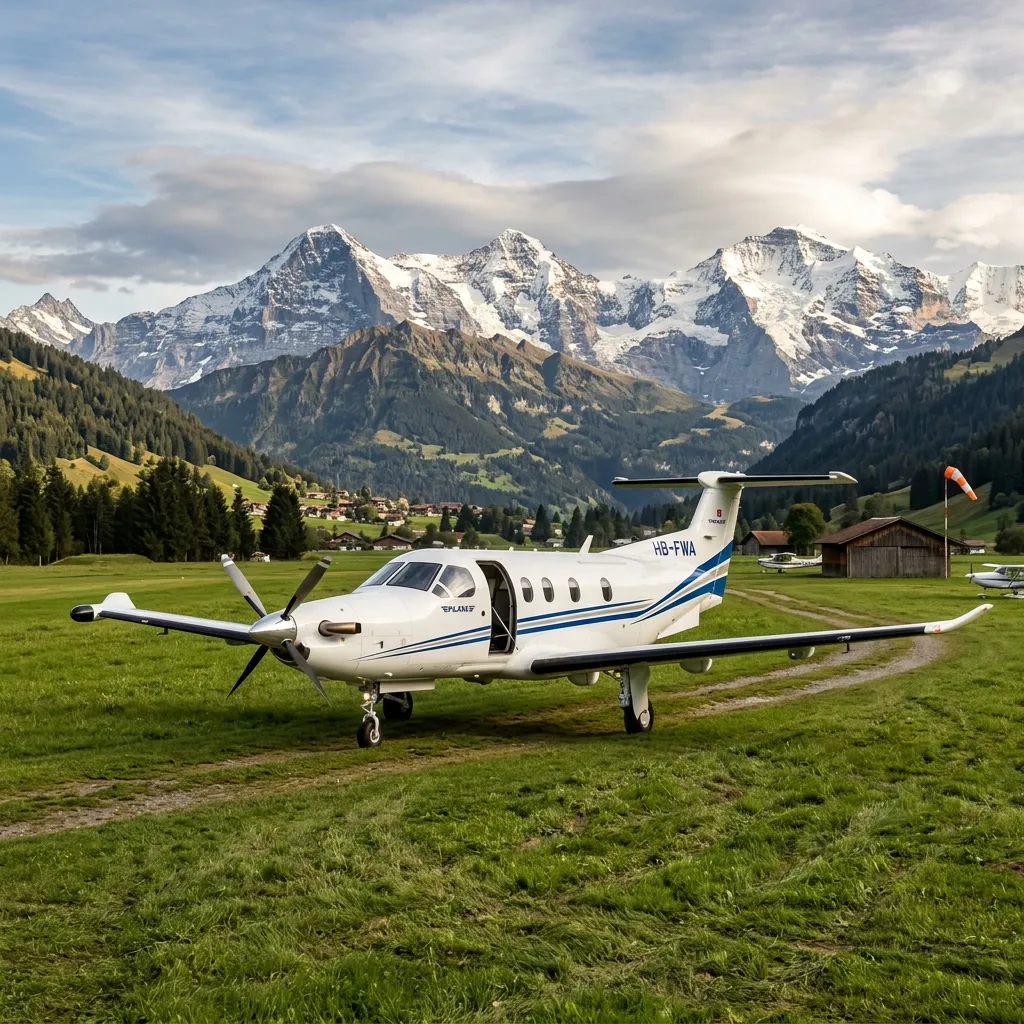
Pilatus PC-12: The Swiss Workhorse in American Skies
Pilatus has delivered approximately 1,890 PC-12s worldwide since the type entered service in 1994. The United States is the largest market, with approximately 1,050 active registrations in the FAA database. Annual production runs 80-90 aircraft, and approximately 50-55% of deliveries go to U.S. operators. The current-production PC-12 NGX (introduced 2020) costs approximately $5.6 million new.
The PC-12's appeal is operational versatility. A single Pratt & Whitney PT6A-67P engine burns approximately 65 gallons per hour, roughly one-third the fuel consumption of a comparable light jet. Operating costs run $800-$1,000 per flight hour, less than half the $2,200-$3,000 hourly cost of a Citation CJ3 or CJ4. The aircraft seats 6-9 passengers in a cabin that is wider (5.0 feet) than any light jet on the market.
The PC-12 has quietly become the most popular charter aircraft at mountain airports in Colorado, Idaho, Montana, and Wyoming. Its 2,650-foot takeoff distance and 30-knot lower approach speed compared to jets make it the preferred type at airports like Telluride, Sun Valley, and Big Sky. Operators report that PC-12 utilization rates exceed their light jet fleets by 15-20% because the turboprop can access airports that jets cannot.
King Air: The Fleet That Refuses to Retire
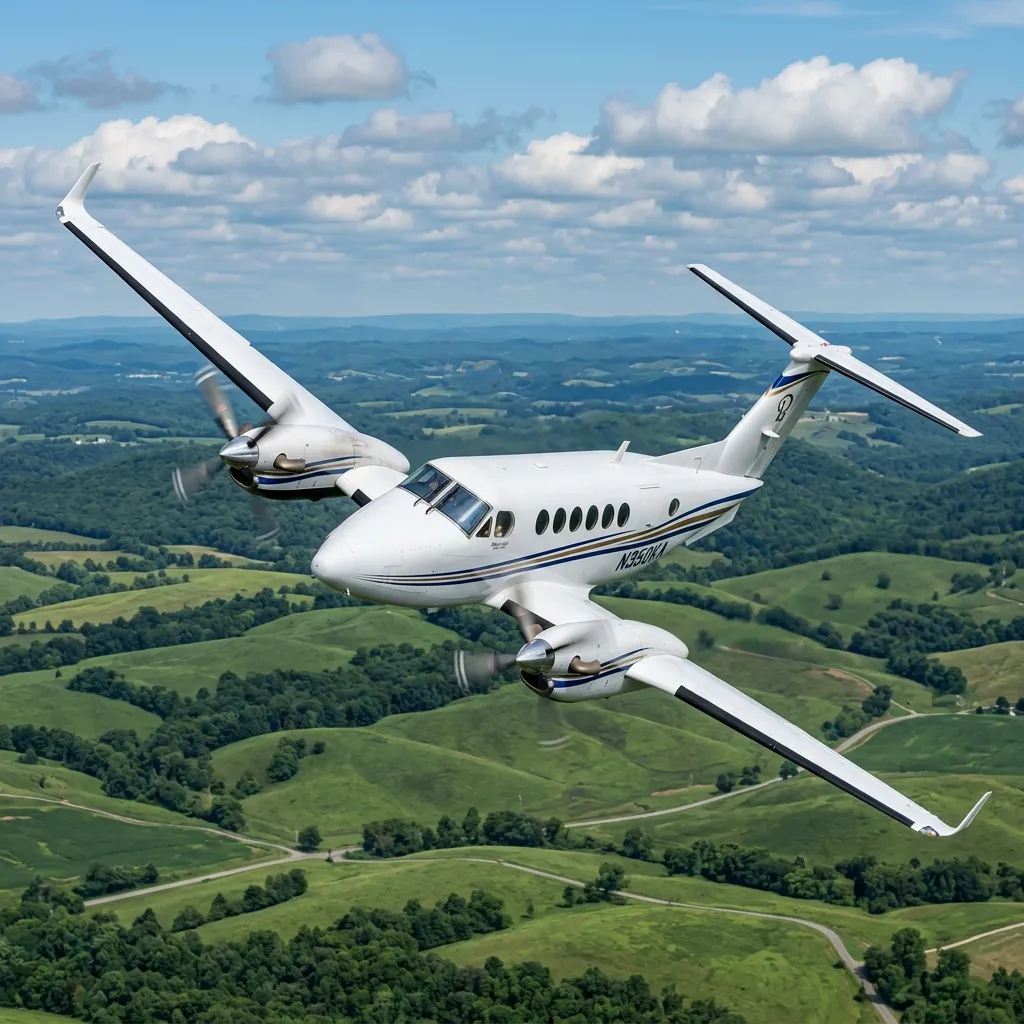
Beechcraft (now Textron Aviation) has delivered over 7,500 King Air aircraft across all models since the type first flew in 1964. The U.S. fleet includes approximately 3,500 active registrations across the King Air 90, 200, 250, and 350 series. The King Air 350, the current production variant, accounts for approximately 900 of those registrations. The King Air 360 (rebranded 350 with digital autobrakes and autothrottle) remains in production at approximately 25-30 deliveries per year.
The King Air fleet's longevity is unprecedented in business aviation. Airframes from the 1970s remain operational because of three factors: low acquisition cost ($200,000-$500,000 for a 1980s-era King Air 200), straightforward maintenance requirements with a deep parts supply chain, and the PT6A engine's legendary reliability and rebuild economics. A PT6A engine overhaul costs approximately $250,000-$350,000, compared to $500,000-$1.2 million for light jet engines.
The King Air 350's Charter Market Position
The King Air 350 charters between $1,800 and $2,800 per flight hour, making it the most affordable pressurized multi-engine charter option in business aviation. It seats 8-11 passengers in a cabin that measures 19.2 feet long, 4.5 feet wide, and 4.8 feet tall. The 350's range of 1,806 nautical miles covers most regional routes with ample reserves. Approximately 30% of the U.S. King Air 350 fleet operates on Part 135 charter certificates.