Why Patagonia
Patagonia does not compete for attention. It does not have the nightlife infrastructure of the Mediterranean or the cultural density of Southeast Asia. What it has is scale. Geological, atmospheric, emotional scale. The kind of landscape that makes a person stop talking and just look.
Straddling the southern tips of Chile and Argentina, Patagonia covers roughly 400,000 square miles. Most of it is uninhabited. The population density in some zones drops below one person per square mile. This is not a shortcoming. It is the entire point.
For travelers who have done the European circuits, the Caribbean rotations, and the African safaris, Patagonia occupies a different category. It is not about service or nightlife or being seen. It is about standing at the edge of a glacier that has been calving into a lake for 18,000 years and recalibrating what you consider permanent.
Torres del Paine
Torres del Paine National Park sits in Chile's Magallanes region, roughly three hours from the nearest airport at Punta Arenas. The park is anchored by three granite towers, the Torres, that rise vertically from the Patagonian steppe. They are not the tallest peaks in the Andes. They do not need to be. The visual impact comes from the isolation. Three vertical shafts of rock, no foothills, no gradual approach. They simply appear.
The park covers 700 square miles. Within that footprint: glaciers, turquoise lakes, lenga forests, guanaco herds, and Andean condors riding thermals above the ridgelines. The trail system ranges from gentle lakeside walks to multi-day circuits that require gear, guides, and a tolerance for horizontal rain.
For those not inclined to hike, the park is equally compelling from a vehicle. The road circuits provide overlooks at Grey Glacier, Lake Pehoe, and the Salto Grande waterfall. A well-positioned lodge with floor-to-ceiling glass and a fireplace does not diminish the experience. It frames it.
Patagonia is not a place you visit to relax. It is a place you visit to remember what silence sounds like.
Perito Moreno Glacier
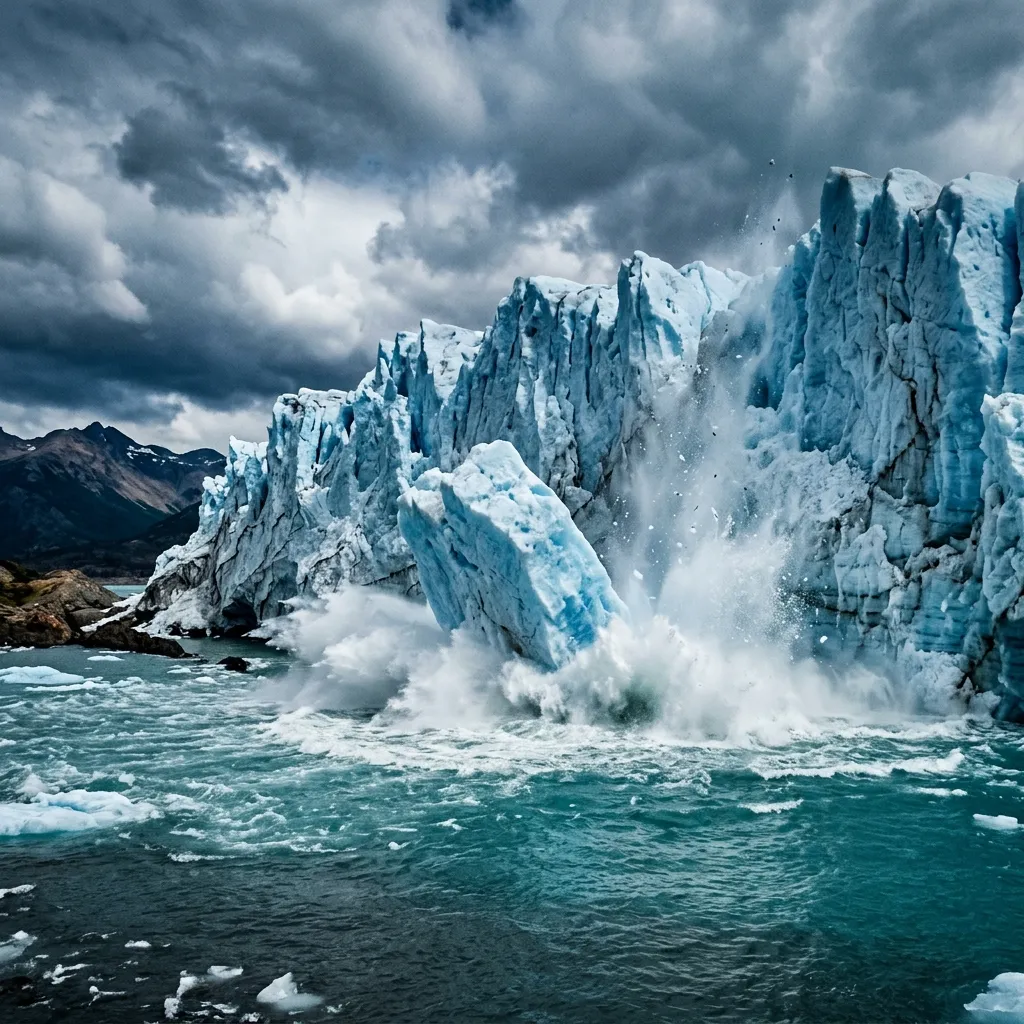
On the Argentine side, roughly five hours from Torres del Paine by road (or 45 minutes by air), Perito Moreno Glacier sits inside Los Glaciares National Park. The glacier is 19 miles long, 3 miles wide at its terminus, and rises 240 feet above the surface of Lago Argentino. It advances roughly 6 feet per day.
What makes Perito Moreno unusual among the world's glaciers is that it is still advancing. While most glacial systems are in retreat, this one continues to push forward, calving enormous blocks of ice into the lake with a sound that carries for miles. The calving events are unpredictable. You might wait an hour. You might see three in ten minutes.
The viewing platforms at Perito Moreno are well-engineered. Multiple levels of walkways provide different vantage points, and the proximity to the ice face is close enough that you feel the cold radiating off it. Guided ice trekking is available for those who want to walk on the glacier itself, crampons provided.
The Estancias
Between the national parks, Patagonia's interior is punctuated by estancias, working cattle and sheep ranches that have been in operation for over a century. Several of these have been converted into guest lodges without abandoning their agricultural function. You sleep in a renovated ranch house, eat lamb that was raised on the property, and wake up to a view that has not changed since the 1800s.
The estancia experience strips away the performance of hospitality. There is no concierge desk. There is no spa menu. There is a gaucho who will take you riding across the steppe at sunrise if you are ready by 6 a.m. The horses know the terrain. Your job is to stay on.
For travelers accustomed to five-star service infrastructure, the estancia is a deliberate downshift. Not a compromise, a decision. The simplicity is the product.
When to Go
Patagonia's prime season runs from November through March (the Southern Hemisphere summer). December and January offer the longest days, up to 17 hours of daylight at these latitudes. February and March bring slightly calmer winds and autumn colors in the lenga forests.
Wind is the constant variable. Patagonia sits in the path of the westerlies, and gusts of 50-60 mph are routine, not exceptional. The weather changes rapidly. A clear morning can become a horizontal sleet event by noon and revert to sunshine by 3 p.m. Pack layers. Do not pack vanity.
Shoulder months (October and April) offer reduced crowds and lower lodge rates, but some trails and services may be limited. For Torres del Paine specifically, January is peak season with the best weather odds and the highest demand for permits and lodge bookings.
Getting There
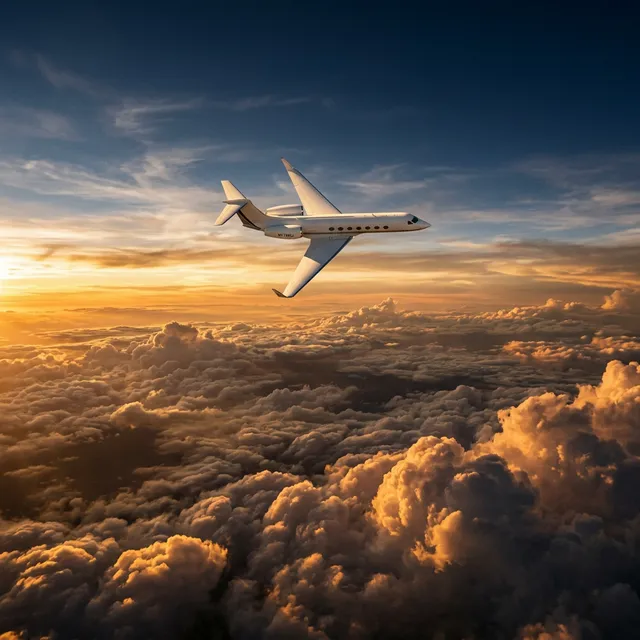
The primary gateways are Punta Arenas (PUQ) and El Calafate (FTE) on the Argentine side. Commercial service runs through Santiago (SCL) or Buenos Aires (EZE). For private aviation, both airports accommodate business jet traffic, though Punta Arenas has more robust FBO infrastructure.
A typical routing from the U.S.: charter to Santiago, overnight, then reposition south to Punta Arenas the following morning. Total flight time from Miami to PUQ is roughly 12 hours with the Santiago stop. From there, ground transfer to Torres del Paine is approximately three hours through some of the most visually arresting terrain you will see from a car window.
If coordinating the charter, the lodges, the guides, and the cross-border transfers feels like more logistics than you want to manage, that is precisely what Stratosphere Living handles. The itinerary, the aircraft, the timing. All of it.