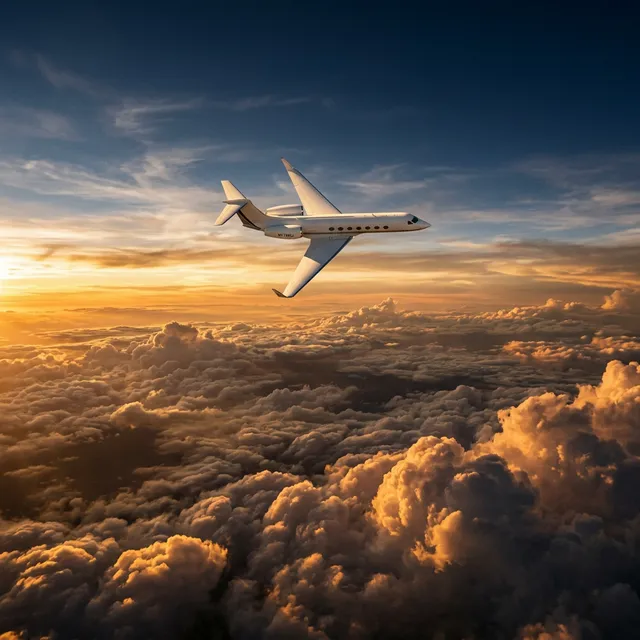
The Premise
National Geographic Expeditions runs a trip that most people assume is hypothetical until they see the manifest. A custom-configured Boeing 757. A handpicked roster of National Geographic explorers, photographers, and researchers. And a routing that touches every populated continent in under a month.
The Around the World by Private Jet expedition is not a cruise with flight segments bolted on. It is a single, continuous journey, roughly 24 days, engineered to deliver the kind of access that no commercial itinerary can replicate. Machu Picchu at sunrise without the crowds. The Taj Mahal with a historian who has studied the site for decades. Easter Island with an archaeologist who can explain exactly why the moai face inland.
The aircraft is the thread. You board once, and the world unfolds beneath you.
The Itinerary
The routing changes slightly by year, but the architecture stays consistent: 10 stops across 6 continents, each chosen for density of experience rather than tourist familiarity. Recent itineraries have included:
- Cusco and Machu Picchu, Peru — Private access to the citadel, guided by an archaeologist who specializes in Inca engineering. The altitude alone changes how you see the stonework.
- Easter Island, Chile — One of the most remote inhabited places on Earth. Fewer than 8,000 people live here. The moai are context for a deeper conversation about Polynesian navigation.
- Samoa — Village ceremonies, reef systems, and a pace that makes everything before it feel rushed.
- The Great Barrier Reef, Australia — Snorkeling and marine biology briefings. The reef is both a destination and a case study in environmental change.
- Angkor Wat, Cambodia — Predawn access to the temple complex before public gates open. The light at 5:30 a.m. is worth the early call.
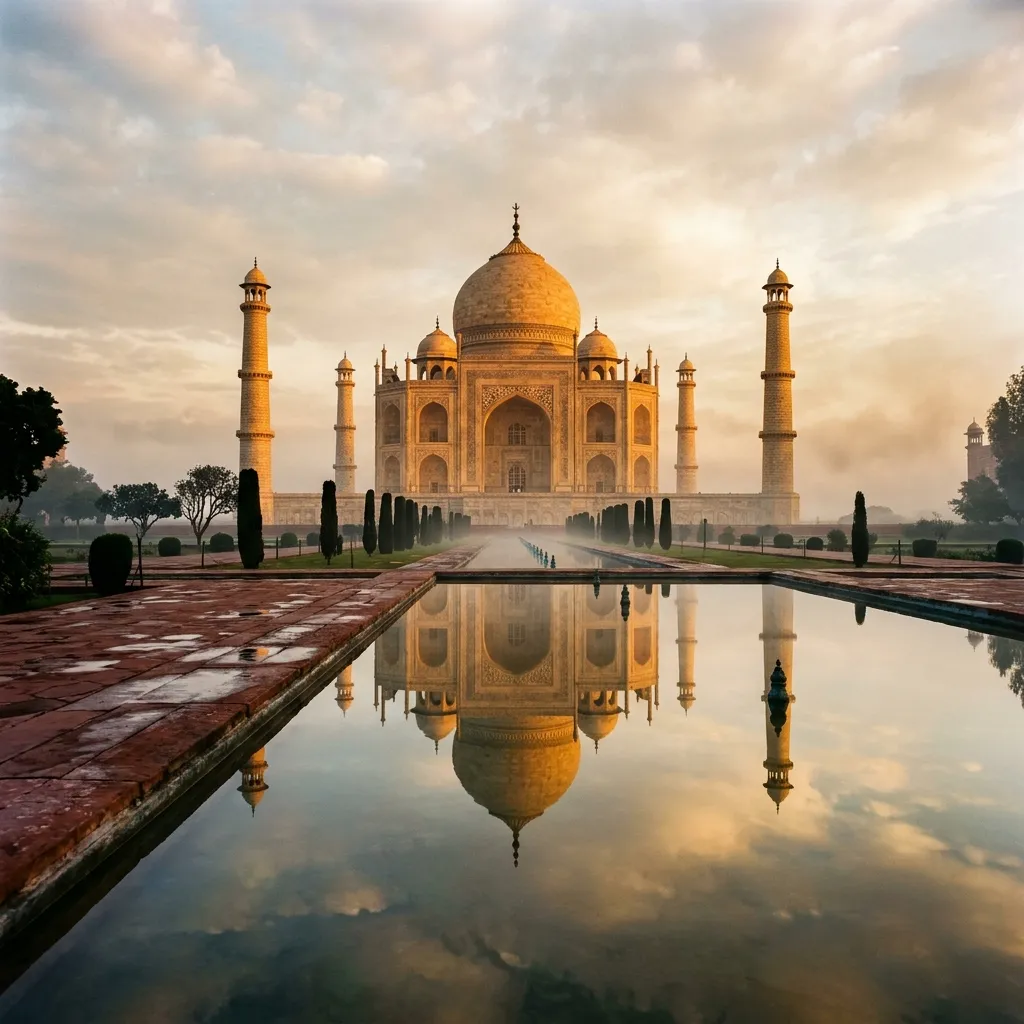
- Agra, India — The Taj Mahal, obviously. But also the Red Fort and a dinner that most visitors never hear about.
- The Serengeti, Tanzania — Safari drives at golden hour. If timing aligns with the migration, you will not forget what you see.
- Marrakech, Morocco — The medina, the Atlas Mountains, and a level of hospitality that feels centuries old because it is.
- Petra, Jordan — Walking into the Treasury through the Siq is one of those rare moments where a place exceeds the photograph.
Every stop includes expert-led briefings, private site access, and accommodations selected for location over brand recognition. Some nights that means a five-star lodge. Other nights it means a tented camp on the edge of the Serengeti. Both are correct.
What Sets It Apart
The obvious answer is the aircraft. A private 757 eliminates connections, immigration queues, and the logistical friction that normally turns ambitious itineraries into exhausting ones. You land, you are met, you move directly to the experience. The aircraft is configured for roughly 75 passengers in lie-flat business-class seating. It is not a G650, but it is not supposed to be. This is expedition travel, not point-to-point charter.
The less obvious answer is the people onboard. National Geographic embeds explorers, photographers, and subject-matter experts into every stop. These are not tour guides reading from scripts. They are researchers with active fieldwork. The conversations at dinner are often more memorable than the sites themselves.
The aircraft is the logistical backbone. The experts are the reason you remember any of it.
There is also the access. National Geographic has relationships with archaeological sites, conservation areas, and local communities that are decades deep. Doors open that remain closed to other operators. This is not theoretical. The predawn Angkor Wat access, the private Serengeti camps, the after-hours Petra walk — these are not available on any commercial tour.
The Logistics
Pricing typically starts in the low six figures per person, varying by cabin position and year. That figure includes all flights on the private jet, accommodations, meals, expert programming, internal transfers, and site access fees. It does not include commercial positioning flights to and from the departure city, personal expenses, or travel insurance.
Departures are limited. Most years see two to three scheduled trips, and they fill months in advance. The passenger cap creates a deliberate intimacy that larger group tours cannot replicate.
Luggage is handled door to door. Visas are coordinated in advance. Medical support travels with the group. The operational layer is invisible by design.
Who This Is For
This trip is not for someone who wants to check boxes. It is for someone who has already checked them and wants to understand what they were looking at. The kind of traveler who has done Machu Picchu but never with an Inca engineering specialist. Who has seen the Serengeti but never from a camp that disappears when the season ends.
It is also for people who value their time. The private jet format compresses what would normally require six separate trips into a single, continuous journey. No repositioning days. No lost connections. No hotel lobbies at 2 a.m.
If this is the kind of travel that interests you, and you want it designed around your own calendar and preferences rather than a fixed departure, that is exactly what Stratosphere Living was built for.