Professional pilot passing through security and compliance checkpoint

Drug and Alcohol Testing in Part 135 Charter: What Operators Must Do

Every Part 135 charter operator in the United States must maintain an FAA-approved anti-drug and alcohol misuse prevention program. This is not optional. It is not a suggestion. The program covers every safety-sensitive employee, from the captain in the left seat to the dispatcher coordinating flights from a desk.

In This Article

Who Gets Tested Types of Testing The DOT 5-Panel Drug Test Consequences of a Positive Test Program Administration: Consortium vs In-House Frequently Asked Questions

Who Gets Tested

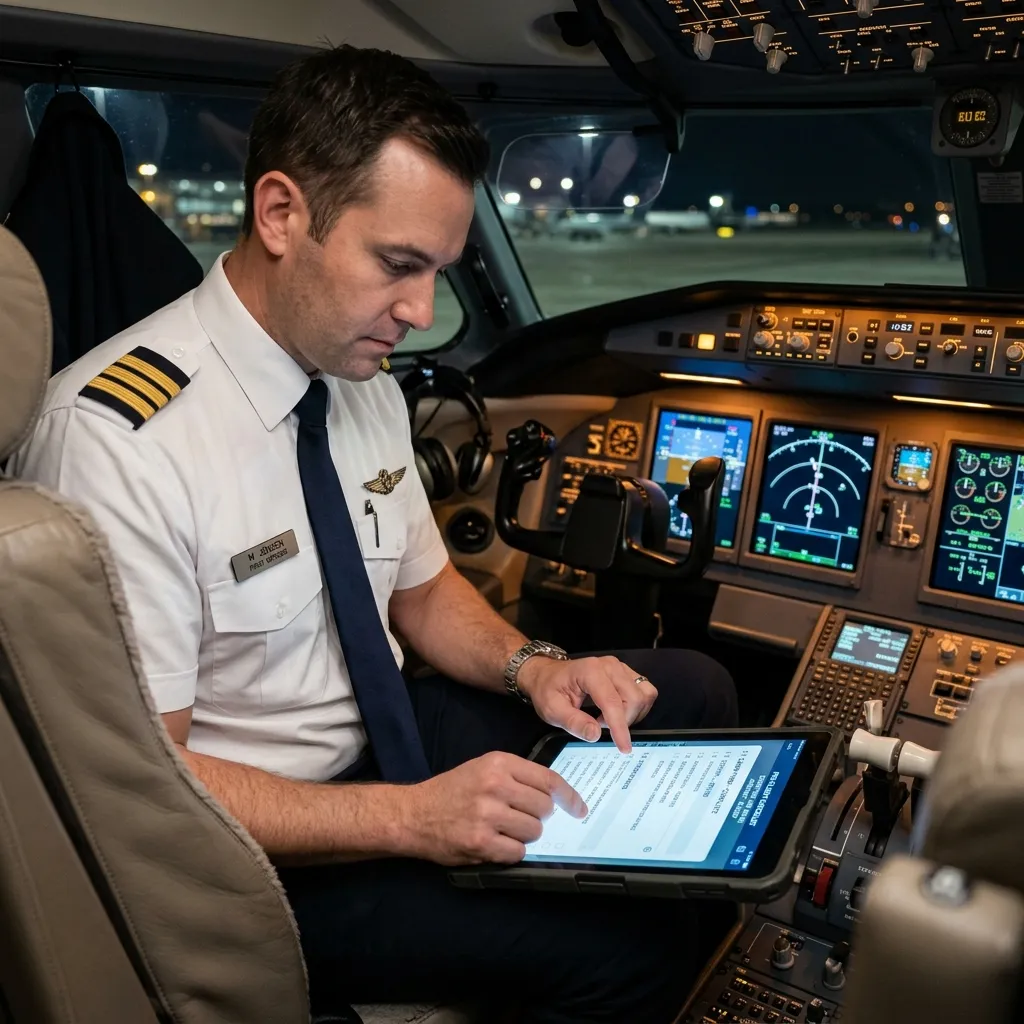
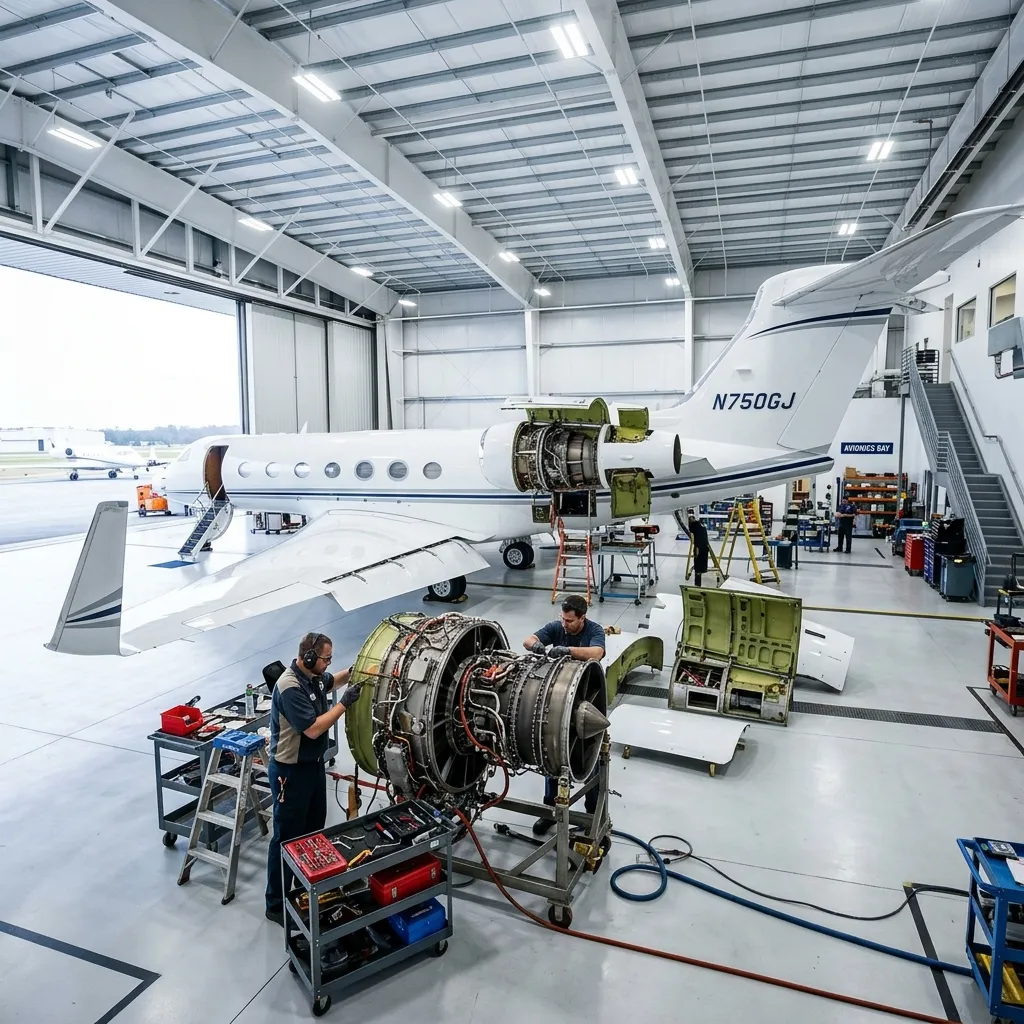
The FAA defines safety-sensitive employees under 14 CFR Part 120. For Part 135 charter operators, this includes pilots, flight engineers, flight attendants, aircraft dispatchers, maintenance personnel, and ground security coordinators. Anyone performing a safety-sensitive function must be enrolled in the company's testing program. Contractors performing safety-sensitive work (e.g., contract maintenance technicians) must also be covered, either under the operator's program or their own DOT-compliant program.

Part 91 owner-operators and their private pilots are generally not subject to FAA drug and alcohol testing requirements. The mandate applies specifically to Part 119 certificate holders operating under Part 121 or Part 135. This distinction is important: a pilot flying Part 91 for a corporate flight department may not be enrolled in a testing program, but the same pilot flying Part 135 charter must be.

Types of Testing

Pre-Employment Testing

Every safety-sensitive employee must pass a drug test before performing any safety-sensitive function. No exceptions. No conditional starts. The employee cannot touch an aircraft, dispatch a flight, or perform maintenance until the negative result is confirmed. Results typically take 24 to 72 hours. MRO (Medical Review Officer) review is mandatory before results are finalized.

Random Testing

The FAA mandates a minimum random drug testing rate of 50% of the safety-sensitive employee pool annually and a random alcohol testing rate of 10% annually. These rates are set by the FAA Administrator and can be adjusted based on industry-wide positive test rates. Random selections must be scientifically valid, meaning each employee has an equal probability of selection during each testing cycle. Selections are typically generated by third-party consortium administrators using computer-randomized algorithms.

Post-Accident Testing

Drug and alcohol testing is required following any accident that results in fatality, or when the operator receives an NTSB accident notification. Post-accident testing should occur as soon as practicable, within 8 hours for alcohol and 32 hours for drugs. If the testing window passes without a specimen being collected, the operator must document the reason and maintain that documentation.

Reasonable Suspicion Testing

A trained supervisor who observes behavior consistent with drug or alcohol use must require the employee to submit to testing. Reasonable suspicion observations must be documented in writing within 24 hours. Two trained supervisors are required for reasonable suspicion alcohol testing determinations. The supervisor training requirement is 60 minutes on drug indicators and 60 minutes on alcohol indicators.

Return-to-Duty and Follow-Up

An employee who tests positive must complete a SAP (Substance Abuse Professional) evaluation, comply with recommended treatment, pass a return-to-duty test, and submit to a minimum of 6 follow-up tests in the first 12 months following return to duty. Follow-up testing can extend up to 60 months. The SAP, not the employer, determines the treatment and follow-up requirements.

The DOT 5-Panel Drug Test

The DOT drug test is a 5-panel urine test. This is federal mandate. Operators cannot add or substitute panels. Hair testing, oral fluid testing, and expanded panels are not DOT-approved for Part 135 compliance. The specimen is split into primary and split specimens at the collection site. If the primary tests positive, the employee has 72 hours to request testing of the split specimen at a different SAMHSA-certified laboratory.

Marijuana is legal in many states. It is not legal under federal aviation regulation. A positive THC result on a DOT drug test carries the same consequences as a positive cocaine result, regardless of state cannabis laws or medical marijuana cards. The FAA does not recognize state exemptions.

Verified Operators Only

Every operator in our network maintains FAA-compliant safety programs. We verify before we quote.

Request a Quote

Consequences of a Positive Test

An employee who tests positive is immediately removed from all safety-sensitive functions. The employer must refer the employee to a SAP. The FAA receives notification through the MIS (Management Information System) annual report. For pilots, a positive drug test triggers mandatory reporting to the FAA under 14 CFR 67.403, which can result in certificate suspension or revocation.

The HIMS (Human Intervention Motivation Study) program offers a pathway for pilots to return to the cockpit after substance abuse treatment. HIMS requires documented sobriety, ongoing monitoring, peer support, and FAA medical certification review. The process typically takes 12 to 24 months. Not all pilots are accepted into HIMS, and not all who complete it receive their medical certificate back. Historical data suggests approximately 85% of pilots who complete the HIMS program successfully return to flying status, though with ongoing monitoring requirements that last for the remainder of their career.

For operators, failure to maintain a compliant program results in FAA enforcement action ranging from warning notices to certificate revocation. Common violations include failing to conduct random testing at required rates, using non-DOT-approved collection sites, and failing to maintain required records. FAA inspectors audit Part 135 drug and alcohol programs during routine surveillance visits.

Program Administration: Consortium vs In-House

Small Part 135 operators with fewer than 50 safety-sensitive employees typically join a testing consortium administered by a third-party administrator (TPA). The consortium pools employees from multiple operators to create a randomized testing pool, reducing per-employee testing costs and administrative burden. Major TPAs include CASTLE Worldwide, ARCpoint Labs, and various regional aviation-specific administrators.

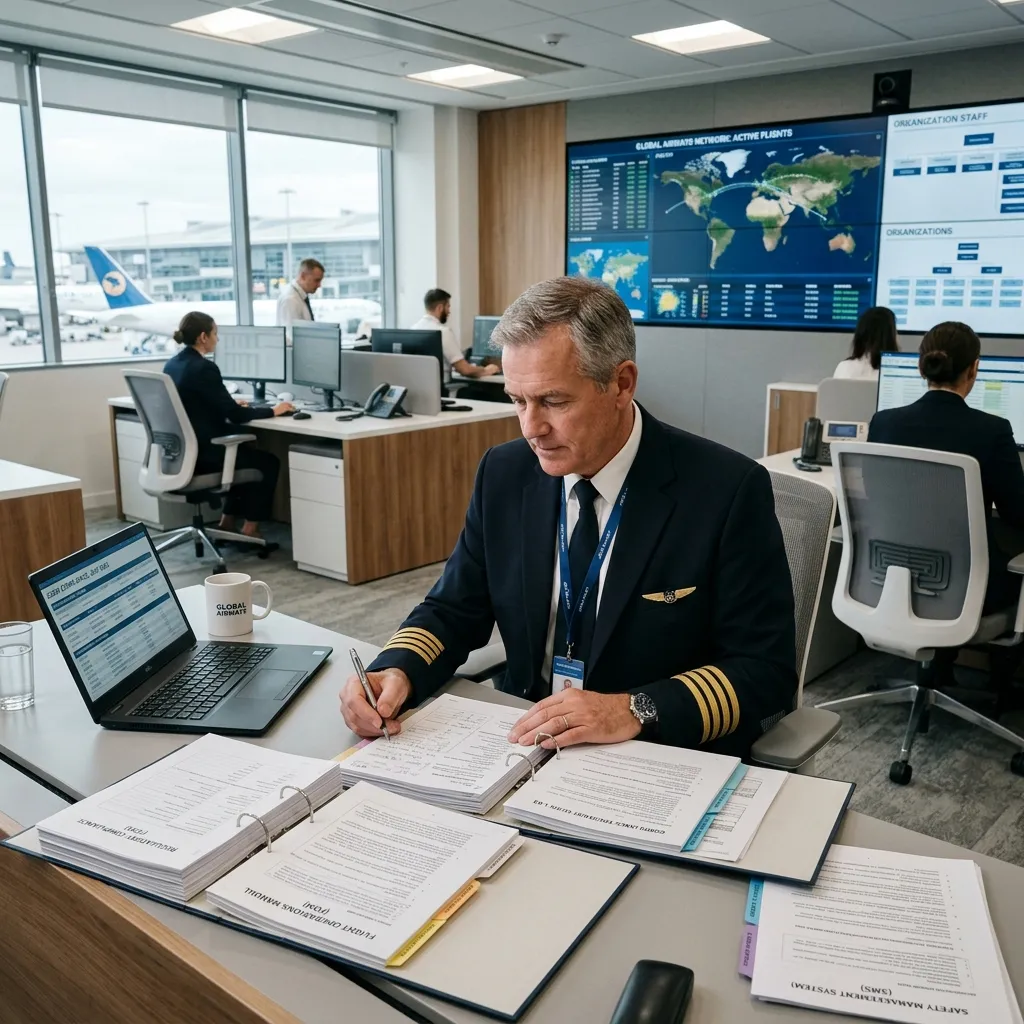
Larger operators may run in-house programs with a dedicated Drug and Alcohol Program Manager (DAPM). The DAPM is the designated employer representative responsible for program compliance, record-keeping, and communication with the FAA. Every Part 135 operator, regardless of size, must designate a DAPM by name in their anti-drug and alcohol misuse prevention plan.

Brian Galvan

Written By

Brian Galvan

Founder, The Jet Finder ยท Private Aviation Operations & Technology

Former Director of Technology at FlyUSA (Inc. 5000 fastest-growing private jet company). Decade of hands-on experience across Part 135 operations, charter sales, fleet management, and aviation data systems.

LinkedInRead Full Profile →
Common Questions

Frequently Asked Questions


6 questions about Part 135 drug and alcohol testing compliance

No. FAA drug and alcohol testing requirements under 14 CFR Part 120 apply specifically to Part 119 certificate holders operating under Part 121 or Part 135. Part 91 corporate flight departments are not mandated to have testing programs, though many voluntarily implement them as a best practice and insurance requirement.

Refusal to submit is treated identically to a positive test result under DOT regulations. The pilot is immediately removed from safety-sensitive duties, referred to a SAP, and the refusal is reported to the FAA. Certificate action is likely. Refusal includes failing to appear for testing, leaving the collection site before providing a specimen, or attempting to tamper with the specimen.

DOT regulations do not require termination for a first positive test, but they do not prohibit it either. The employer must remove the employee from safety-sensitive functions and refer them to a SAP. Whether to retain the employee after SAP completion is an employment decision, not a regulatory one. Many operators have zero-tolerance policies that result in termination regardless of SAP recommendations.

No. The FAA has issued clear guidance that CBD products carry unacceptable risk for aviation personnel because CBD manufacturing is unregulated and products may contain THC levels sufficient to trigger a positive DOT drug test. A positive THC result from CBD use is treated identically to a positive from marijuana use. The FAA does not accept CBD use as a defense.

Even with only 3 safety-sensitive employees, the operator must conduct random testing at the required rates (50% drug, 10% alcohol). Through a testing consortium, the 3 employees enter a larger randomized pool. Individual selection probability remains equal regardless of company size. Over a 12-month period, at least 1-2 employees will be selected statistically.

Operators must maintain negative test results for 1 year, positive test results for 5 years, SAP referral and evaluation records for 5 years, random selection records for 3 years, reasonable suspicion documentation for 5 years, and MIS annual reports for 5 years. Records must be maintained in a secure, confidential location accessible only to authorized personnel.

Continue Reading

Related Articles


Your Next Mission

Ready to Fly?


Whether you need a charter quote or want to explore aircraft options, our team is here.

Contact Us