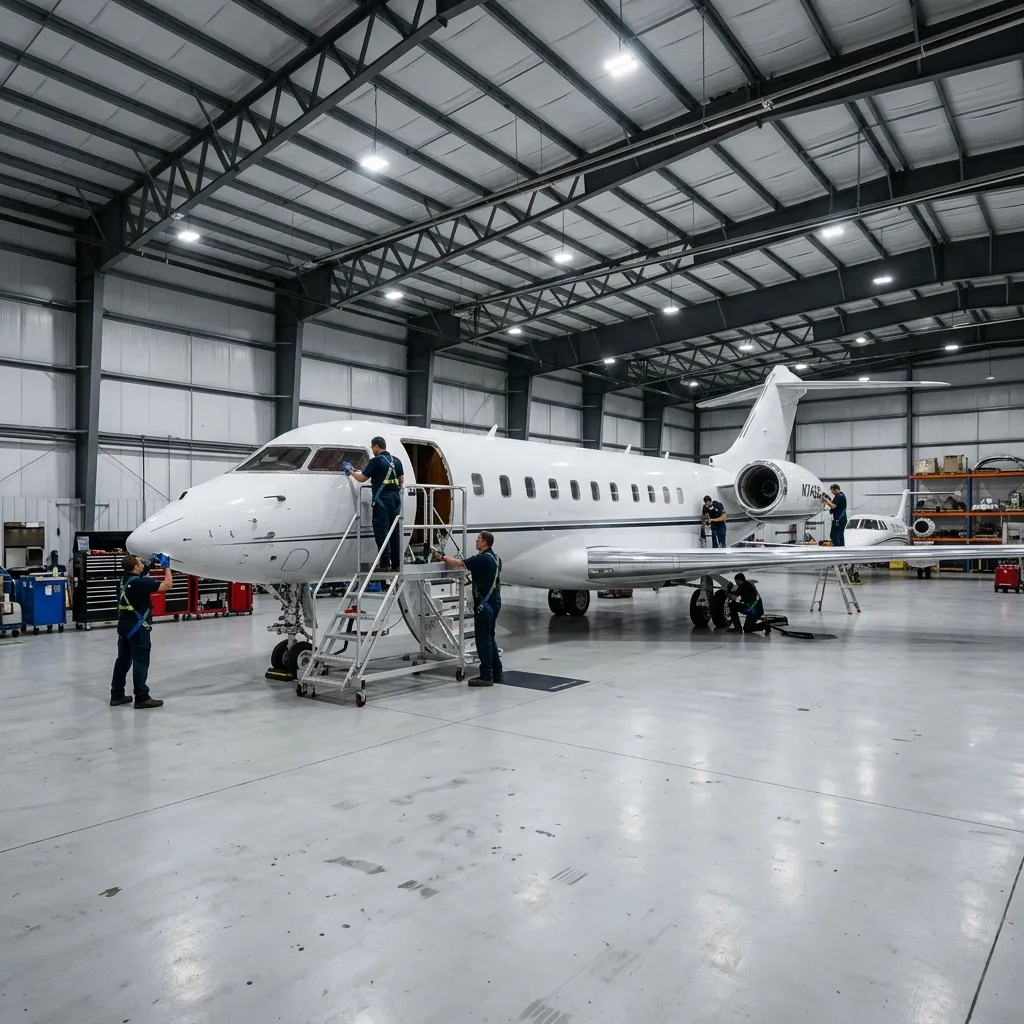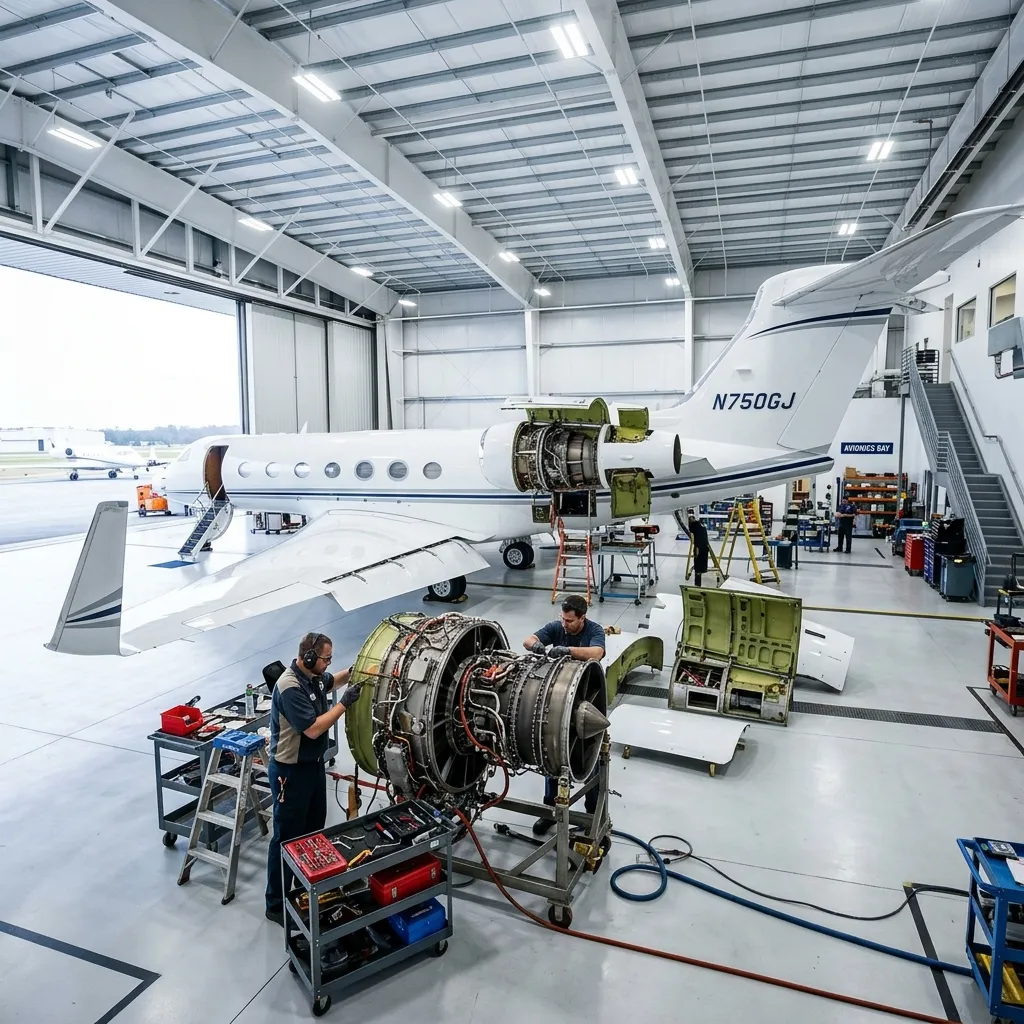
Private jet in maintenance hangar with panels removed during annual inspection

Annual Inspections: The Mandatory Grounding Every Jet Owner Plans Around

Every private jet registered in the United States under Part 91 must complete an annual inspection. No exceptions. No extensions. Miss it, and the aircraft is grounded until a certificated inspector signs it off. The inspection is not optional, not deferrable, and not cheap.

In This Article

The Regulatory Requirement What Gets Inspected Cost Breakdown by Aircraft Category Scheduling Strategy The Discovery Phase: Where Budgets Expand Frequently Asked Questions

The Regulatory Requirement

14 CFR 91.409 requires an annual inspection for all aircraft not operating under a progressive inspection program or a continuous airworthiness maintenance program (CAMP). Most Part 91 private jets fall under the annual inspection requirement. Part 135 charter operators typically operate under CAMP, which replaces the annual with a continuous cycle of phased inspections. The result is the same: the aircraft is thoroughly examined at regular intervals.

The annual inspection must be performed by an appropriately rated mechanic holding an Inspection Authorization (IA) or by a certified repair station (CRS) authorized for the aircraft type. The IA or CRS reviews the entire aircraft against the manufacturer's inspection program, applicable airworthiness directives, and service bulletins. When the inspection is complete and all discrepancies are resolved, the inspector signs the aircraft back to service.

An aircraft flying past the annual inspection due date is unairworthy. It cannot legally fly, even to the maintenance facility. A ferry permit from the local FSDO may be issued for a one-time flight to a maintenance base, but those are not guaranteed. Plan the inspection before it is due, not after.

What Gets Inspected

The annual inspection scope covers the entire aircraft: airframe structure, flight controls, landing gear, hydraulic systems, pneumatic systems, fuel system, electrical system, avionics, engines, propellers (if applicable), corrosion treatment, and emergency equipment. Inspectors open access panels, remove cowlings, inspect flight control surfaces for play and damage, check landing gear for hydraulic leaks and corrosion, and verify that all placards and safety equipment are current.

Engine Inspections

Engine borescope inspections are typically performed during the annual. Borescoping examines combustion chamber liners, turbine blades, and nozzle guide vanes for cracking, erosion, and foreign object damage. If the borescope reveals findings above the manufacturer's published limits, the engine may require a hot section inspection or overhaul, adding $300,000 to $1.5 million to the annual cost and weeks to the downtime.

Avionics and Electrical

Avionics functionality checks verify navigation accuracy, communication system performance, transponder certification (24-month requirement per 91.413), and autopilot system integrity. ELT battery expiration, oxygen system servicing, and fire extinguisher hydrostatic testing are also checked during the annual cycle.

Airworthiness Directives

Every applicable AD must be complied with before the aircraft returns to service. ADs are mandatory inspections or modifications issued by the FAA when a safety concern is identified. Some ADs are one-time compliance items. Others are recurring inspections at specified intervals. A single new AD issued between annual inspections can add $5,000 to $100,000 in unplanned maintenance cost. The Gulfstream G550 fleet, for example, has accumulated over 200 active ADs since entering service, each requiring documentation of compliance during every annual cycle. Managing the AD compliance matrix is a full-time administrative task on complex aircraft.

Cost Breakdown by Aircraft Category

These ranges cover the base inspection labor and routine discrepancy items. They do not include major findings like corrosion repair, engine work, landing gear overhaul, or avionics upgrades. A 'clean' annual on a well-maintained Citation CJ3 might cost $25,000. The same CJ3 with deferred maintenance items, a corroded wing spar, and two overdue service bulletins could run $80,000. The condition of the aircraft determines the final invoice more than the aircraft type.

Every aircraft owner learns this lesson: the annual inspection is not a fixed cost. It is a discovery process. The airplane tells you what it needs, and the invoice follows.

Need Maintenance Guidance?

We connect owners with authorized service centers and help coordinate annual inspection scheduling.

Contact Us

Scheduling Strategy

Schedule the annual during the aircraft's lowest-utilization month. For most private owners, that means late spring (May-June) or early fall (September-October) when travel demand is moderate. Avoid scheduling during the maintenance facility's busiest period (January-March), when every aircraft deferred from the holiday season arrives simultaneously and shop capacity is strained.

Lock in a maintenance facility 2 to 3 months before the desired induction date. Authorized service centers for Gulfstream, Bombardier, and Dassault often run 4 to 8 week backlogs. Third-party Part 145 repair stations may offer faster induction and lower labor rates, but verify they hold the appropriate ratings and have experience with your aircraft type.

Coordinate the annual with other scheduled maintenance events: landing gear overhaul, interior refurbishment, avionics upgrades, or paint. Bundling work during a single downtime period reduces total days the aircraft is out of service over its ownership life. Owners who spread maintenance across multiple events spend more cumulative days without their aircraft than those who consolidate.

The Discovery Phase: Where Budgets Expand

Every annual inspection follows the same arc. The first 3 to 5 days are access and initial inspection: removing panels, cowlings, and interior components to expose the airframe structure and systems. Days 5 through 10 are the discovery phase, when the maintenance team documents every discrepancy, worn component, and deferred item. The facility then presents a squawk list to the owner, typically running 20 to 80 line items depending on aircraft age and condition.

The squawk list is where the real negotiation begins. Items fall into three categories: mandatory (airworthiness requirements, ADs, safety items), recommended (manufacturer service bulletins, trending wear items), and optional (cosmetic, convenience, upgrades). A disciplined owner addresses all mandatory items, evaluates recommended items against cost and remaining useful life, and defers optional items to a future downtime event.

Shops that combine the annual with upselling pressure are common. An honest facility distinguishes clearly between what the aircraft needs to fly legally and what they would like to sell you. If every squawk is presented as 'urgent,' get a second opinion. The logbooks belong to you, not the shop.

Brian Galvan

Written By

Brian Galvan

Founder, The Jet Finder ยท Private Aviation Operations & Technology

Former Director of Technology at FlyUSA (Inc. 5000 fastest-growing private jet company). Decade of hands-on experience across Part 135 operations, charter sales, fleet management, and aviation data systems.

LinkedInRead Full Profile →
Common Questions

Frequently Asked Questions


6 questions about private jet annual inspection requirements

No. An aircraft past its annual inspection date is legally unairworthy and cannot fly under Part 91. You may apply for a Special Flight Permit (ferry permit) from the local FSDO to fly the aircraft to a maintenance facility, but these are not automatic approvals and typically restrict the route and conditions of the flight.

Yes, with FAA approval. A progressive program breaks the annual inspection scope into smaller segments performed every 200-400 hours, reducing single-event downtime to a few days. The trade-off is more frequent shop visits. High-utilization aircraft (300+ hours/year) benefit most from progressive programs because the aircraft is never grounded for weeks at a time.

Only an A&P mechanic holding an Inspection Authorization (IA) or a certified repair station (CRS) with the appropriate ratings can sign off the annual inspection and return the aircraft to service. A standard A&P mechanic can perform the work, but cannot sign the airworthiness release.

Most aircraft management companies recommend reserving $150-$250 per flight hour in a maintenance reserve fund specifically for scheduled inspections and unscheduled findings. After 2-3 annual cycles on the same aircraft, you will have a reliable baseline for recurring costs. New-to-you aircraft should budget at the high end of the range for the first annual.

Yes. The clock resets from the date the inspection is completed and the aircraft is signed back to service. If you complete the annual 2 months early, you have 12 months from the completion date, not from the original due date. This is different from some calendar-based inspection items that run on fixed 12-month or 24-month cycles regardless of when completed.

Many owners request a mid-inspection briefing when the facility has completed the initial inspection phase and identified discrepancy items. This is the point where decisions about repair-vs-replace, optional upgrades, and budget priorities are made. Being present or on a video call during this briefing prevents scope creep and ensures the facility addresses your priorities first.

Continue Reading

Related Articles


Your Next Mission

Ready to Fly?


Whether you need a charter quote or want to explore aircraft options, our team is here.

Contact Us