Hourly Rate Structure for the Learjet 60
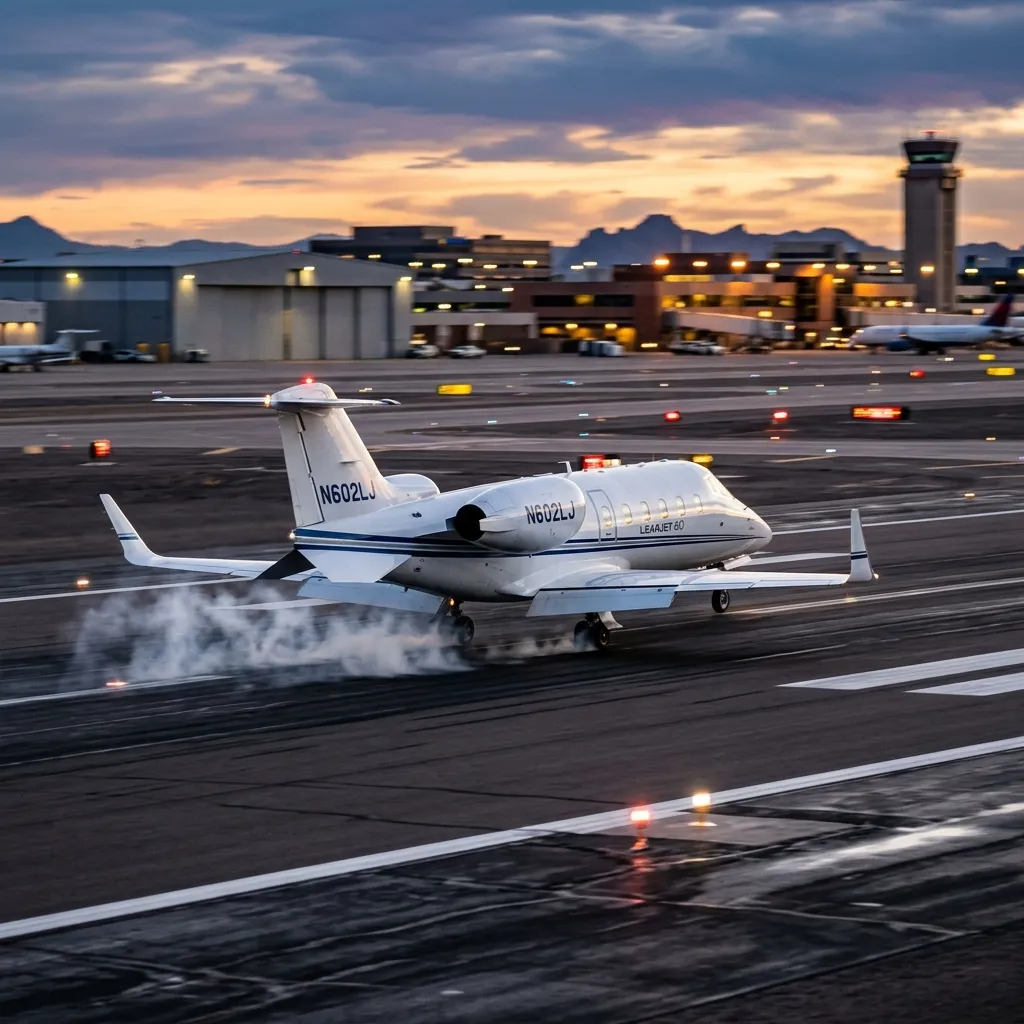
The Learjet 60 charters between $3,000 and $4,200 per flight hour in 2026, positioning it at the lower boundary of the midsize jet category. That rate includes crew, fuel, and standard operational costs. It does not include federal excise tax (7.5%), segment fees ($4.80 per passenger per departure), fuel surcharges (variable), or repositioning costs. Operators in the southeastern U.S. and Texas tend to quote toward the lower end; northeast corridor operators skew higher due to FBO fees and congestion pricing.
The 60XR variant, produced from 2007 to 2012, typically commands a $100-$200 premium per hour over the standard Learjet 60. The XR model added 400 pounds of additional fuel capacity, extending range by approximately 150 nautical miles, and incorporated Collins Pro Line 21 avionics as standard. Operators marketing 60XR availability often emphasize the avionics upgrade as the primary differentiator for passengers, though the range improvement is the more operationally significant change.
Representative Trip Costs on Popular Routes
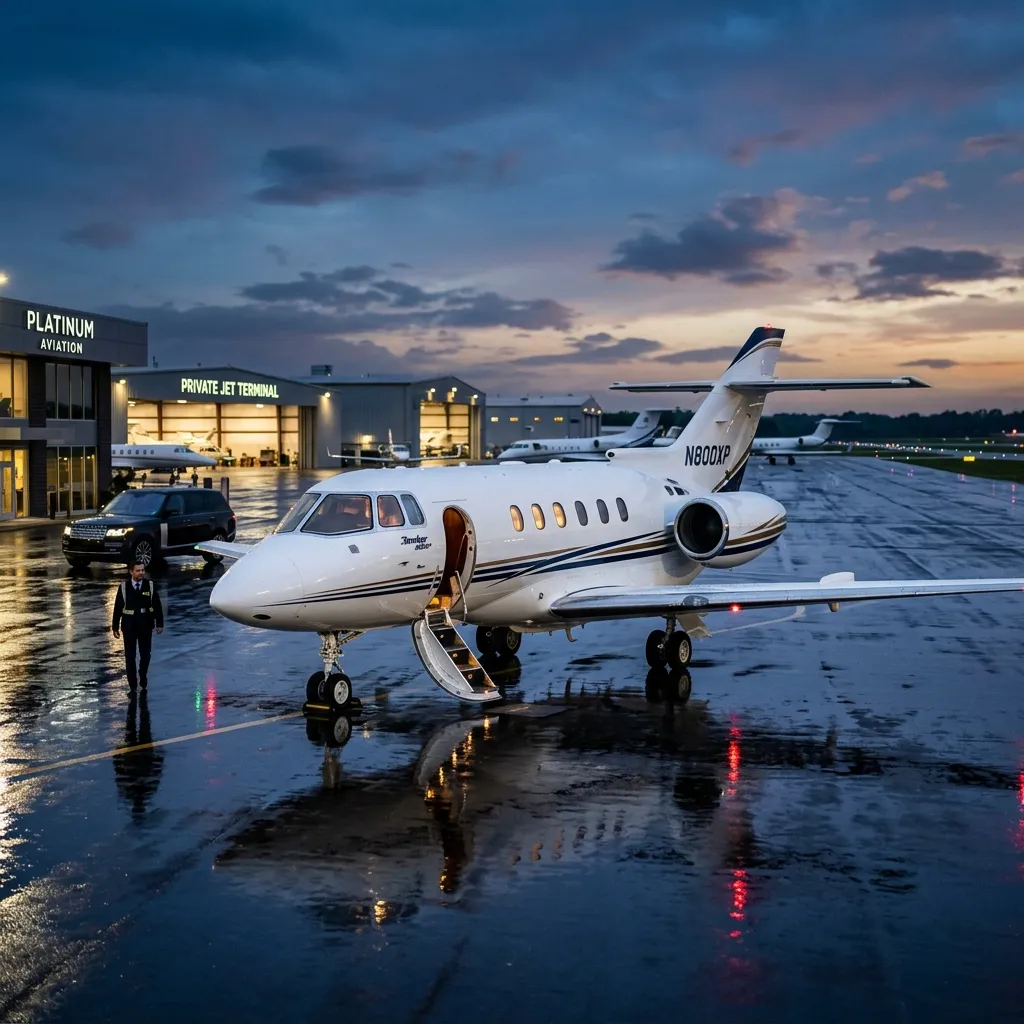
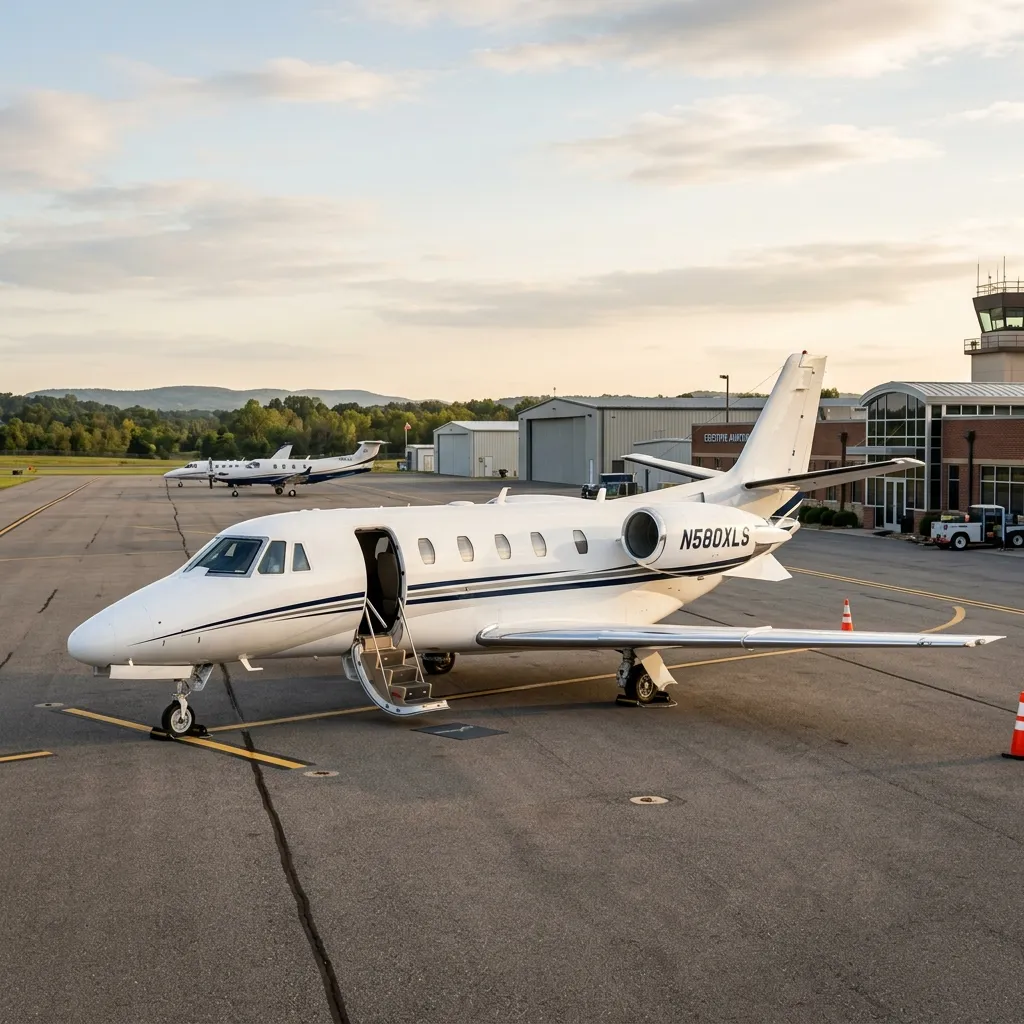
These estimates assume one-way pricing with the aircraft repositioning empty to your departure point. Round-trip bookings reduce per-leg cost by 10-15% because the operator eliminates one repositioning segment. On the New York to Miami corridor, the Learjet 60 competes directly with the Citation XLS and Hawker 800XP. The Learjet wins on speed (457 ktas vs 441 ktas for the XLS) but loses on cabin width (5.9 feet vs 5.5 feet for the XLS).
Where the Learjet 60 Fits in the Charter Market
The Learjet 60 occupies an unusual position. It was Bombardier's midsize offering from 1993 to 2012, bridging the gap between the Learjet 45 (light jet) and the Challenger 604 (heavy jet). Its cabin dimensions, 17.7 feet long, 5.9 feet wide, and 5.7 feet tall, are genuinely midsize. But its flat-floor area is smaller than competitors like the Hawker 800XP (21.3 feet cabin length) and Citation XLS (18.5 feet). For charter passengers, this means comfortable seating for 6 but increasingly tight for 8.
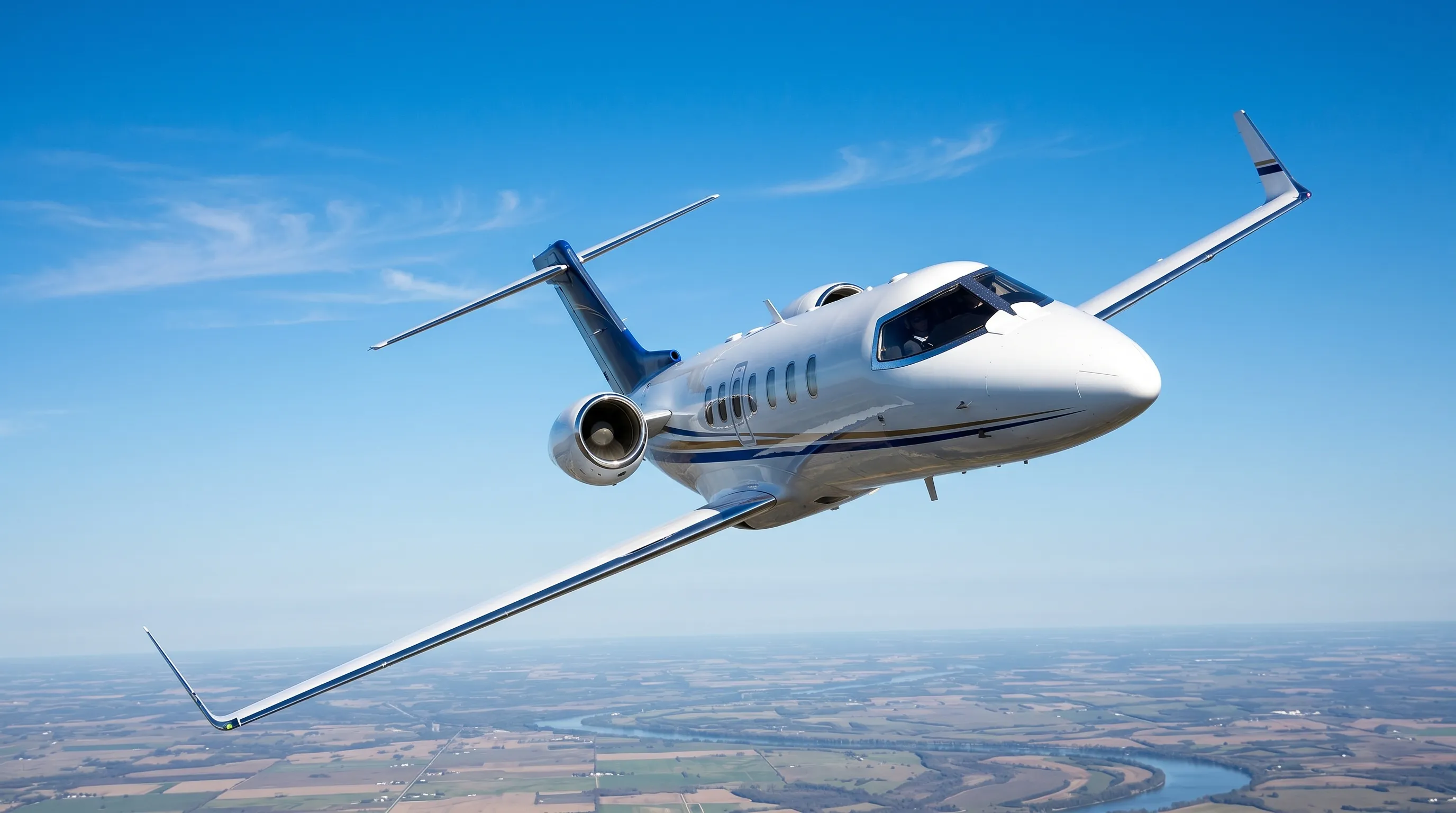
The Learjet 60's real advantage on charter is speed. At 457 ktas, it is the fastest serial-production Learjet ever built and outpaces every midsize competitor by 10-25 knots. On a 1,200-mile trip, that speed differential saves 8-12 minutes. For time-critical repositioning or tight connection schedules, the Learjet 60 earns its rate.
The Speed Premium in Practice
Learjet 60 operators report that approximately 30% of their bookings are driven explicitly by schedule tightness. Corporate shuttle operations, same-day turnaround missions, and medical transport flights all favor the Learjet 60 over wider but slower alternatives. The aircraft climbs to FL410 in approximately 20 minutes, reaching productive cruise altitude faster than most midsize jets. Its Pratt & Whitney PW305A engines deliver 4,600 pounds of thrust each, powering a maximum operating Mach number of 0.81.
Need a Charter Quote?
Contact our team for a personalized quote.
Get a Quote →Operating Cost Factors That Drive Charter Pricing
The Learjet 60's hourly charter rate reflects several cost realities specific to the type. Fuel burn averages 200-215 gallons per hour at typical cruise settings, placing it at the higher end of midsize consumption. At $6.50 per gallon, fuel alone costs $1,300-$1,400 per flight hour. The PW305A engines carry a $1.2 million per-engine overhaul cost at approximately 5,000-hour intervals, translating to roughly $240 per engine per flight hour in reserve accrual.
$3,000-$4,200
Hourly Rate Range
Insurance costs for Learjet 60 operators have risen significantly since 2020. Annual hull and liability premiums for a charter-certified Learjet 60 run $85,000-$120,000 depending on pilot experience and claims history. The type has accumulated enough operational history (three decades) that insurers have robust actuarial data, but the Learjet brand's association with performance-oriented flying sometimes triggers higher premiums than comparable types like the Citation XLS.
Maintenance Considerations
Parts availability is the Learjet 60's emerging cost challenge. Bombardier discontinued the Learjet line entirely in 2021, and while the company maintains parts support obligations, lead times for certain components have extended from days to weeks. Some operators report 30-45 day waits for specific avionics LRUs (line-replaceable units). This parts environment increases the cost of maintaining dispatch reliability, which operators pass through in hourly rates.
Comparing the Learjet 60 to Midsize Alternatives
Charter passengers comparing midsize options should weigh three variables: cabin comfort, speed, and cost. The Learjet 60 wins on speed and cost but concedes cabin volume to competitors.
For groups of 4-6 passengers on trips under 2,000 nautical miles, the Learjet 60 is a strong value play. Its speed advantage compounds on longer legs. For groups of 7-8, the Hawker 800XP's larger cabin is worth the marginal rate difference. For passengers prioritizing cabin comfort above speed, the Citation Sovereign offers a substantially larger cabin (25.3 feet) for a modest premium.
Fleet Status and Charter Availability in 2026
Bombardier delivered 314 Learjet 60 and 60XR airframes between 1993 and 2012. Approximately 240 remain in active service in the U.S. as of early 2026, with the remainder in international service, storage, or decommissioned. Of the active U.S. fleet, approximately 80-90 are available on Part 135 charter certificates. The remaining aircraft are Part 91 owner-operated.
Fleet attrition is accelerating. Approximately 8-12 Learjet 60s exit the active fleet annually through retirement, parting out, or conversion to government/military use. By 2030, the active charter fleet is projected to shrink to 50-60 aircraft. This contraction will not drive charter rates substantially higher because demand for the type is also declining as newer alternatives gain charter market share. However, availability in specific markets, particularly the Pacific Northwest and Mountain West where Learjet 60 operators are sparse, may tighten.