Overflight and Landing Permits
Every country controls its airspace. Flying through it or landing in it requires permission. Some countries grant blanket overflight rights to aircraft registered in treaty nations. Others require advance filing of overflight permit requests, sometimes 72 hours in advance, sometimes 15 business days. Russia, China, and several African nations are among the most restrictive. European airspace is generally open under Eurocontrol coordination, but individual landing permits are still required at many airports.
Your charter operator or broker handles permit acquisition through an international trip support company. Firms like Universal Weather and Aviation, World Fuel Services, and Hadid International provide end-to-end trip support including permit filing, handler coordination, fuel contracting, and ground transportation. A well-supported international trip requires 7 to 14 days of advance planning for complex routing. Caribbean and Mexican destinations can often be arranged in 48 to 72 hours.
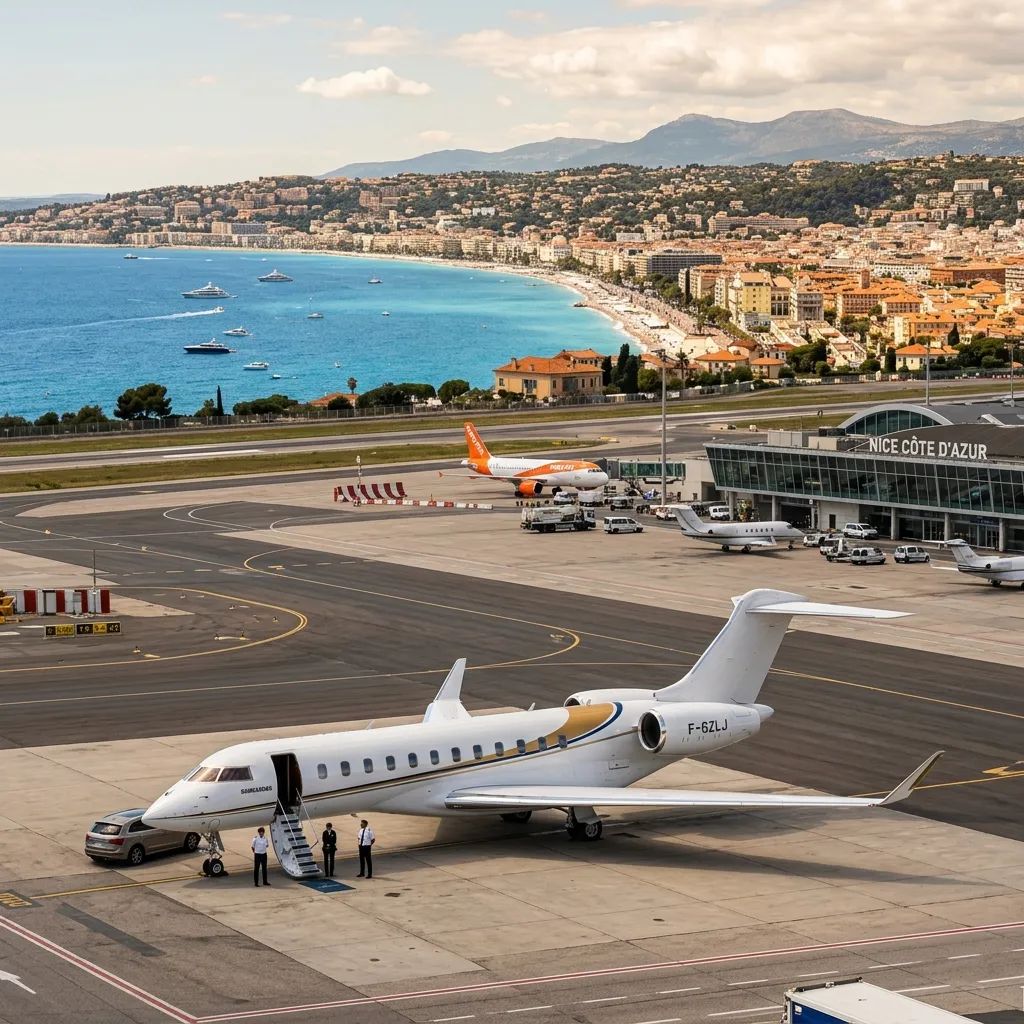
Landing permits and slots are separate from overflight permits. High-demand airports like London Luton (EGGW), Nice Cote d'Azur (LFMN), and Dubai Al Maktoum (OMDW) require advance slot reservations during peak periods. Arriving at a slot-controlled airport without a confirmed slot results in holding patterns, diversion, or refusal. Your trip support provider manages slot acquisition as part of the overall flight plan.
U.S. Customs and Border Protection Requirements
All flights entering or departing the United States must file electronic Advance Passenger Information System (eAPIS) manifests with CBP. This includes full name, date of birth, passport number, and nationality for every person on board, including crew. Filing must occur at least 60 minutes before departure for flights leaving the U.S. and at least 60 minutes before arrival for inbound flights. Late filing can result in civil penalties starting at $5,000 per violation.
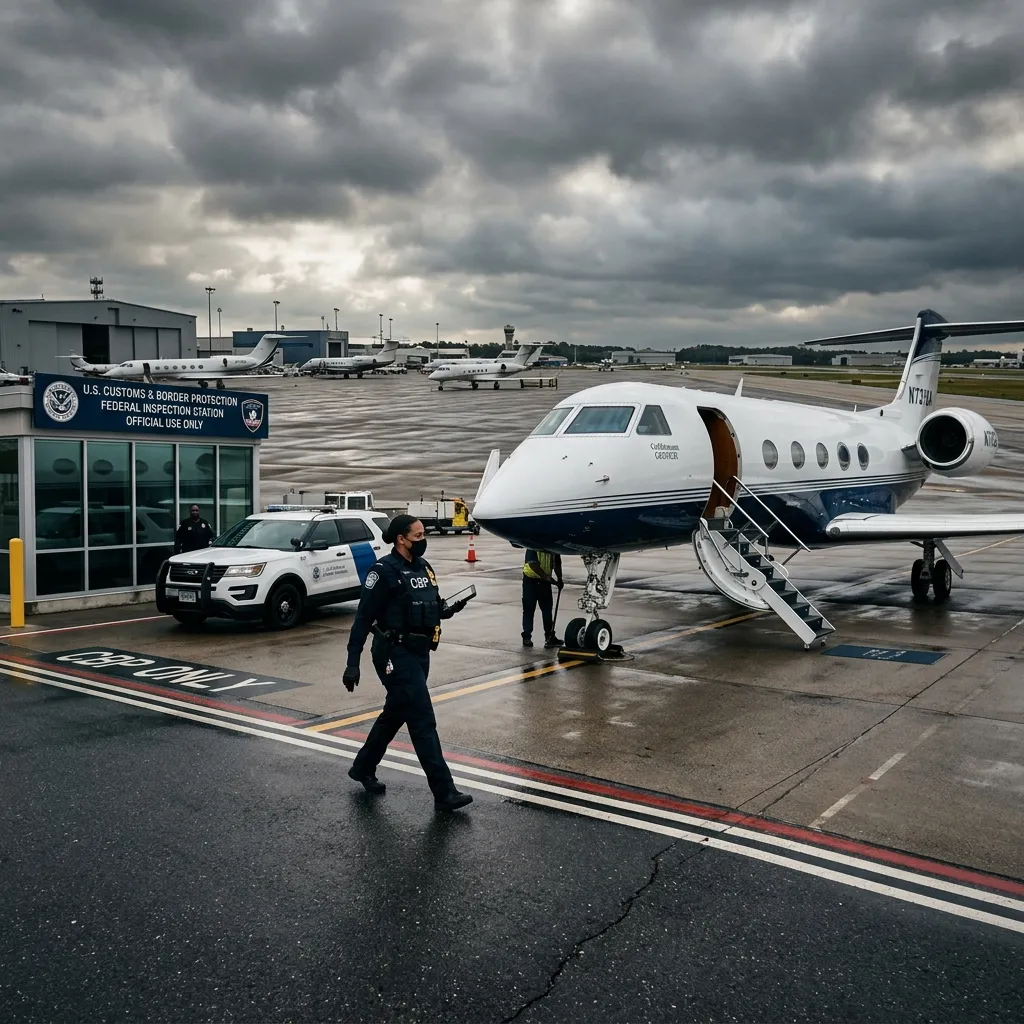
Returning to the U.S. by private jet requires landing at an Airport of Entry (AOE) with CBP services. Not all airports that accept private jets have CBP facilities. Teterboro (TEB), Westchester (HPN), Miami-Opa Locka (OPF), Fort Lauderdale Executive (FXE), and Van Nuys (VNY) all have CBP on-field. Some airports require advance notification (typically 4 hours) for CBP to staff the arrival. Landing at a non-AOE airport without prior CBP arrangement is a federal violation.
The Global Entry and NEXUS trusted traveler programs expedite private aviation clearance. Passengers with Global Entry can pre-clear through simplified processing. The CBP ROAM app allows some private flyers to complete customs processing remotely before landing, reducing on-ground wait times to minutes. Your operator should coordinate CBP arrival processing as part of the flight planning process, including arranging overtime CBP staffing for arrivals outside normal business hours, which costs $300 to $600 per officer.
Plan an International Charter
Permits, customs, handling, and fuel coordinated for your cross-border flight.
Start Planning →Fuel Planning for International Routes
International fuel planning adds complexity that domestic flights avoid. Fuel prices vary dramatically by country: Jet-A at a Caribbean FBO may cost $8 to $12 per gallon while mainland U.S. prices average $5.50 to $7.50. European fuel prices run $7 to $10 per gallon at most private aviation terminals. Operators optimize fuel loads based on route-specific pricing, sometimes tankering extra fuel from cheaper locations to avoid purchasing at expensive destinations.
Fuel availability is not guaranteed at every international airport. Remote destinations, island airports, and airports in developing countries may have limited Jet-A supply or quality concerns. Trip support companies verify fuel availability and quality certification before dispatching aircraft to unfamiliar airports. Some operators require fuel samples and quality test results before uplift at airports without established reputations.
Currency and payment logistics add another layer. Not all international FBOs accept credit cards or U.S. dollar payment. Some require pre-arranged fuel release through contracted suppliers. Your trip support provider typically establishes fuel accounts and arranges payment terms before the aircraft departs, eliminating the need for passengers or crew to handle financial transactions on the ground.
Ground Handling and Local Logistics
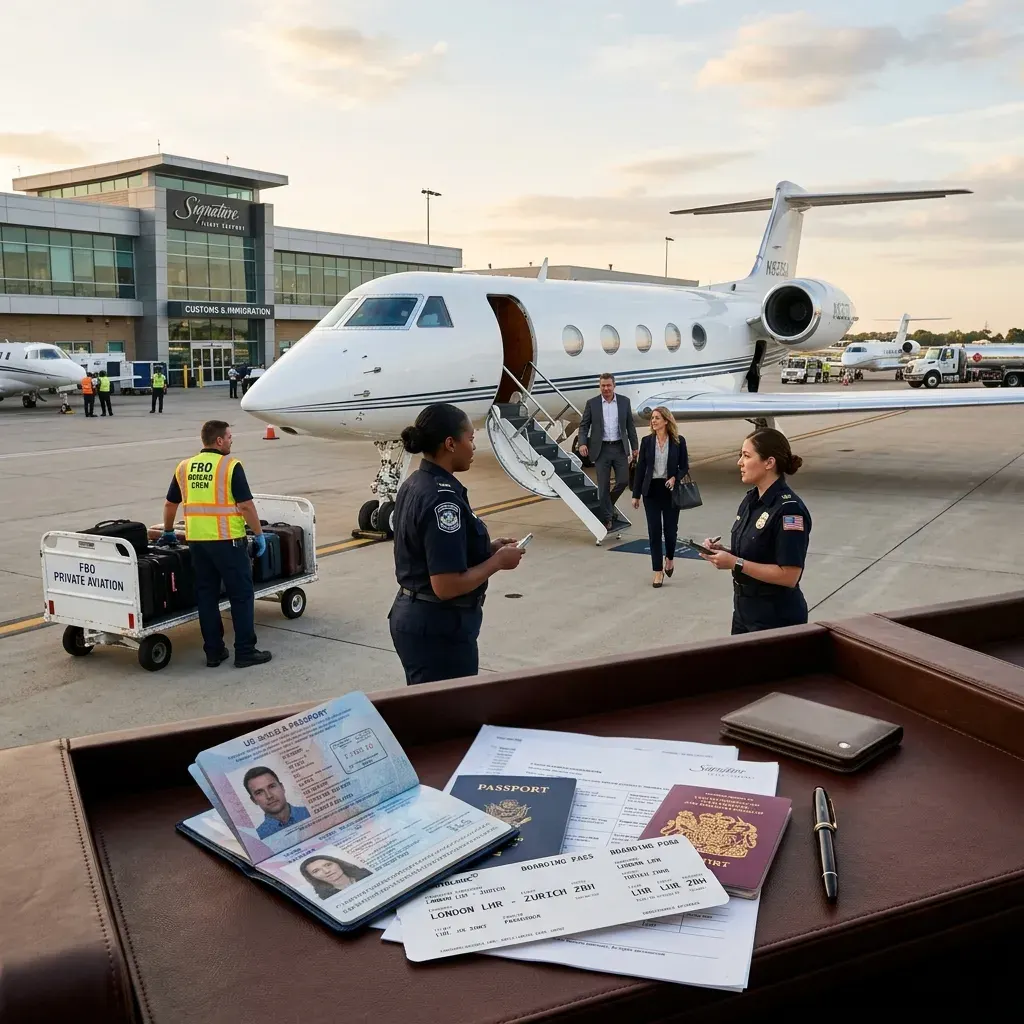
International ground handling encompasses everything that happens between wheels-down and your departure from the airport perimeter. A ground handler meets the aircraft, coordinates customs and immigration processing, arranges fuel, manages baggage, provides ground transportation, and handles any local requirements. Handling fees range from $2,000 to $8,000 per stop depending on the airport and level of service required.
Handler quality varies dramatically by region. Established handlers at major business aviation airports in Europe, the Middle East, and the Caribbean provide seamless, professional service. Smaller or less-trafficked airports may have handlers with limited English proficiency, unfamiliar with Western business aviation expectations, or lacking proper equipment for large-cabin jets. Your trip support company selects and vets handlers, but experienced international travelers develop preferences for specific handlers at frequently visited airports.
The single most important factor in international charter experience is trip support quality. A competent trip support provider eliminates the friction that would otherwise make international private aviation stressful. An incompetent one creates problems you should never have to deal with as a passenger. Ask your broker or operator which trip support company they use before booking an international flight.
Documentation requirements extend beyond passports and visas. Some countries require aircraft documentation including airworthiness certificates, insurance certificates with specific coverage levels, and noise certificates. The operator maintains these documents, but passengers should carry copies of their passport, visa, and any health documentation (vaccination records for certain African and South American destinations) in both physical and digital format. Loss of documentation at a foreign airport can delay departure by hours or days.