The Segment That Outsells Light Jets in Utility
Single-engine turboprops are the most versatile aircraft category in business aviation, and they are the least discussed. The Pilatus PC-12, Daher TBM series, Cessna Grand Caravan, and Kodiak 100 collectively account for over 5,000 active aircraft in the United States. They operate at $800-$1,800 per flight hour, reach remote airports that jets cannot, and carry enough payload to cover 80% of the missions that light jet owners think require a jet.
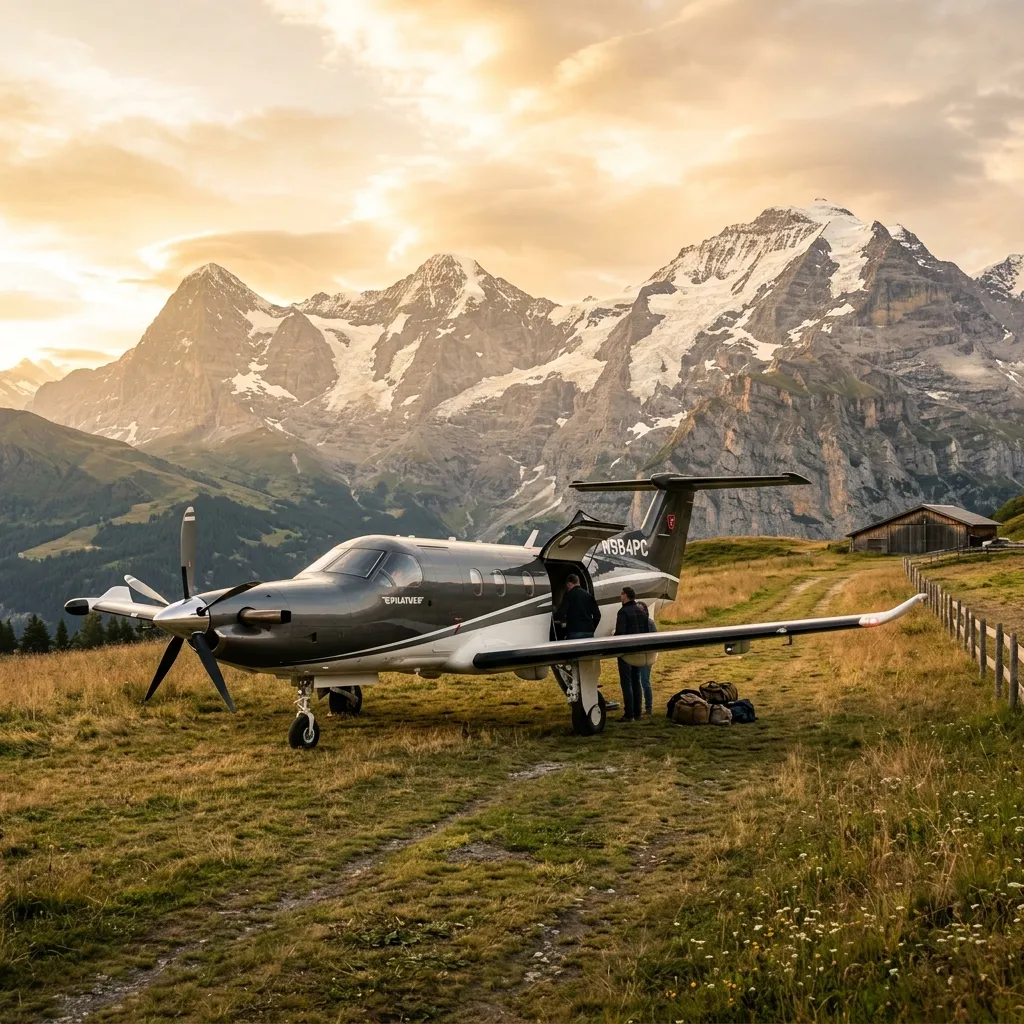
The single-engine turboprop category serves a specific client profile: operators who fly 200-400 hours per year, travel frequently to short runways (3,000 feet or less), value operating economy over speed, or need to access unpaved strips, backcountry airfields, and mountain airports. These aircraft are not jets. They cruise at 250-330 ktas instead of 400-460. But what they sacrifice in speed, they recover in access, efficiency, and total mission cost.
The Big Four: PC-12, TBM, Caravan, Kodiak
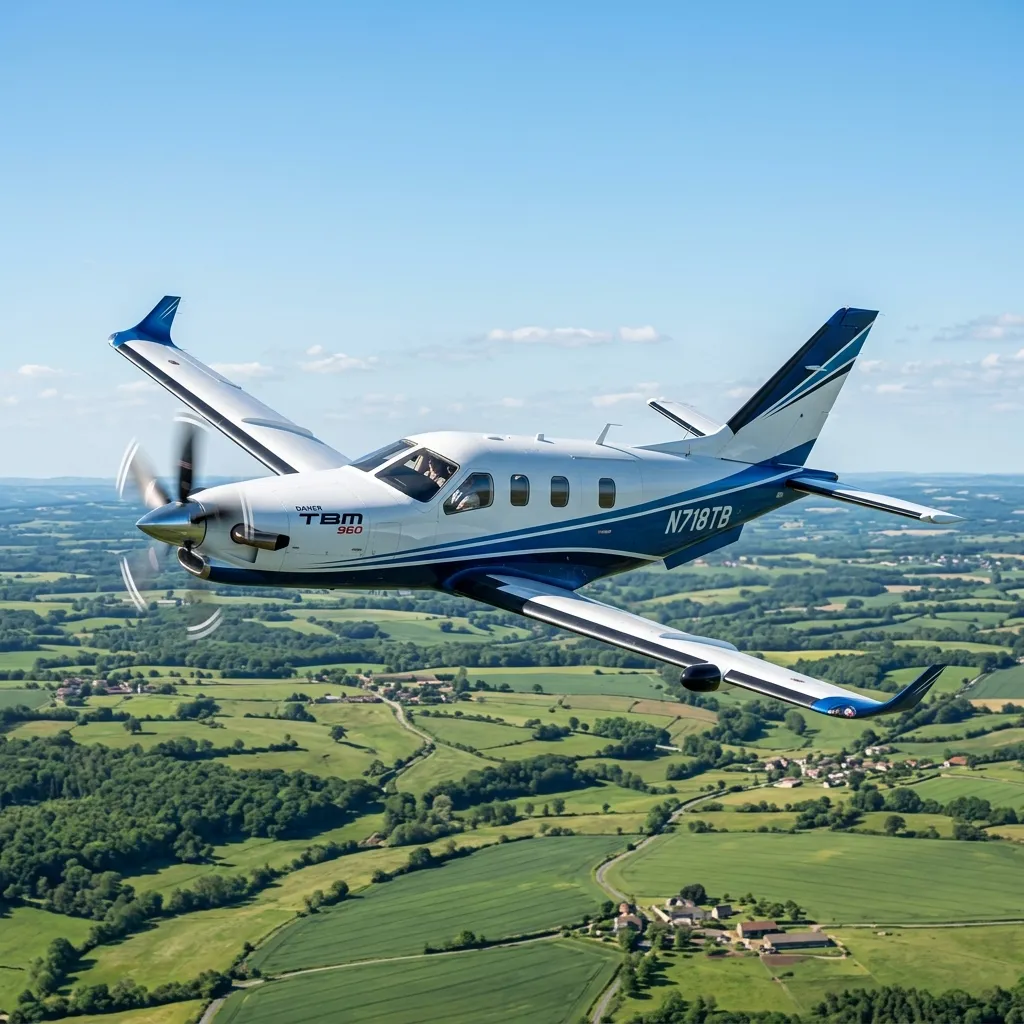
The PC-12 is the segment leader by every metric except speed. It carries the most passengers (up to 10), has the longest range (1,803 nm), offers the largest cabin, and has the deepest resale market. The TBM 960 is the speed leader at 330 ktas, making it the fastest single-engine turboprop ever built and competitive with some light jets on shorter routes. The Grand Caravan is the workhorse: slow, simple, and capable of hauling 14 passengers or 3,500 lbs of cargo from unpaved strips. The Kodiak is the STOL specialist, designed for 1,000-foot strips and bush operations.
Choosing between them depends on mission profile. Speed-sensitive executives flying 400-800 nm routes choose the TBM 960. Passenger capacity and range-sensitive operators choose the PC-12. Cargo, utility, and bush operations default to the Caravan or Kodiak. There is minimal mission overlap between the four; each serves a distinct niche.
Pilatus PC-12 NGX: The Swiss Army Knife
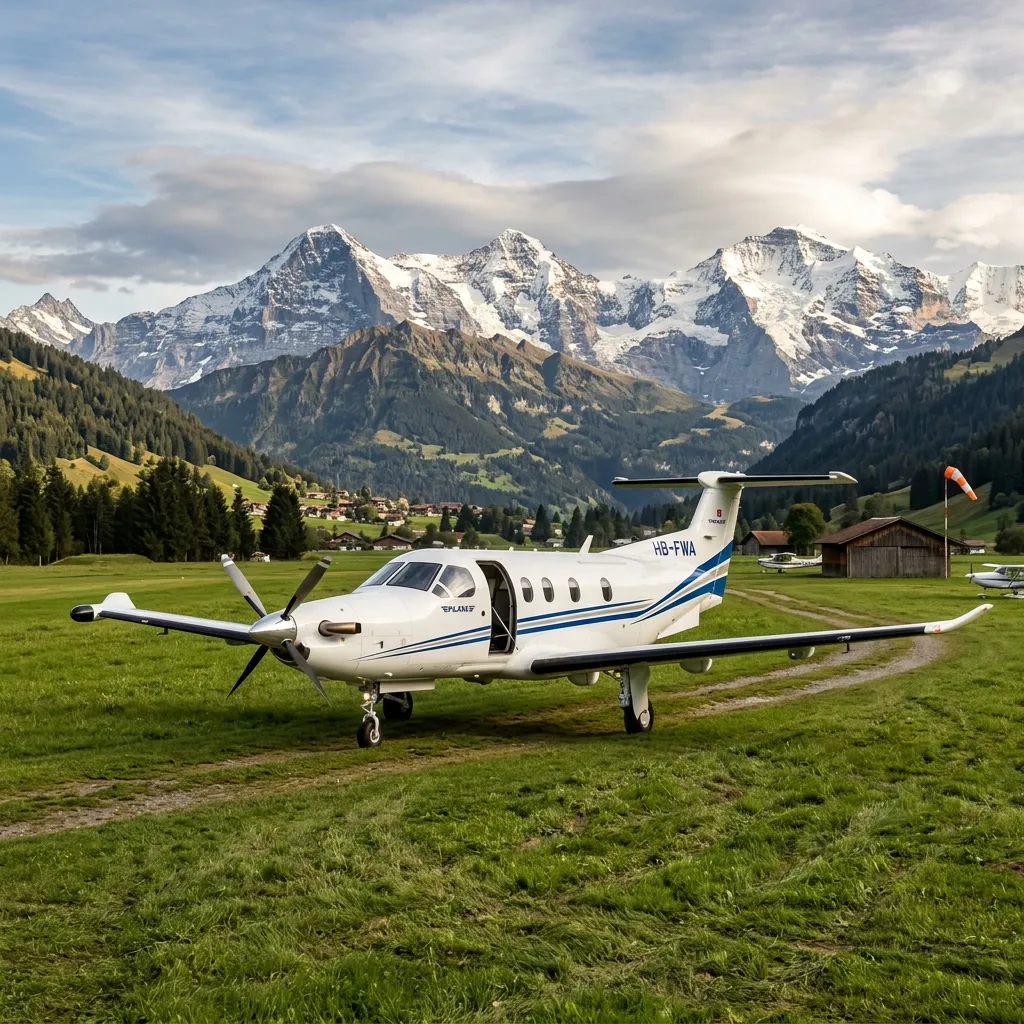
The PC-12 is the best-selling single-engine turboprop in history. Over 2,000 have been delivered since 1994, with the NGX (current production, 2019-present) representing the most refined version. The PC-12's appeal is breadth: it carries 10 passengers in a cabin that is 5 feet wide and 4.9 feet tall (standing headroom in the center), flies 1,803 nm nonstop, operates from 2,600-foot runways, and is certified for single-pilot IFR operations.
PlaneSense operates the largest PC-12 fractional fleet (40+ aircraft), which speaks to the aircraft's reliability and economics. At $1,200-$1,800 per flight hour (all-in operating cost), the PC-12 costs roughly half of what a Phenom 300 costs to operate. The PC-12 is 180 ktas slower than the Phenom 300, but on a 500 nm mission (the average domestic business flight), the speed difference translates to approximately 45 minutes of additional flight time. For many operators, saving $1,500-$2,000 per flight hour is worth arriving 45 minutes later.
The PC-12's cargo door is the feature nobody markets and everyone uses. The 53-by-52-inch cargo door allows loading that would require disassembly in a jet cabin: oversized equipment, large luggage sets, sporting gear, and medical equipment. Air ambulance operators chose the PC-12 specifically because a full medical litter fits through the door without modification.