East Hampton Airport: The Runway That Divides a Community
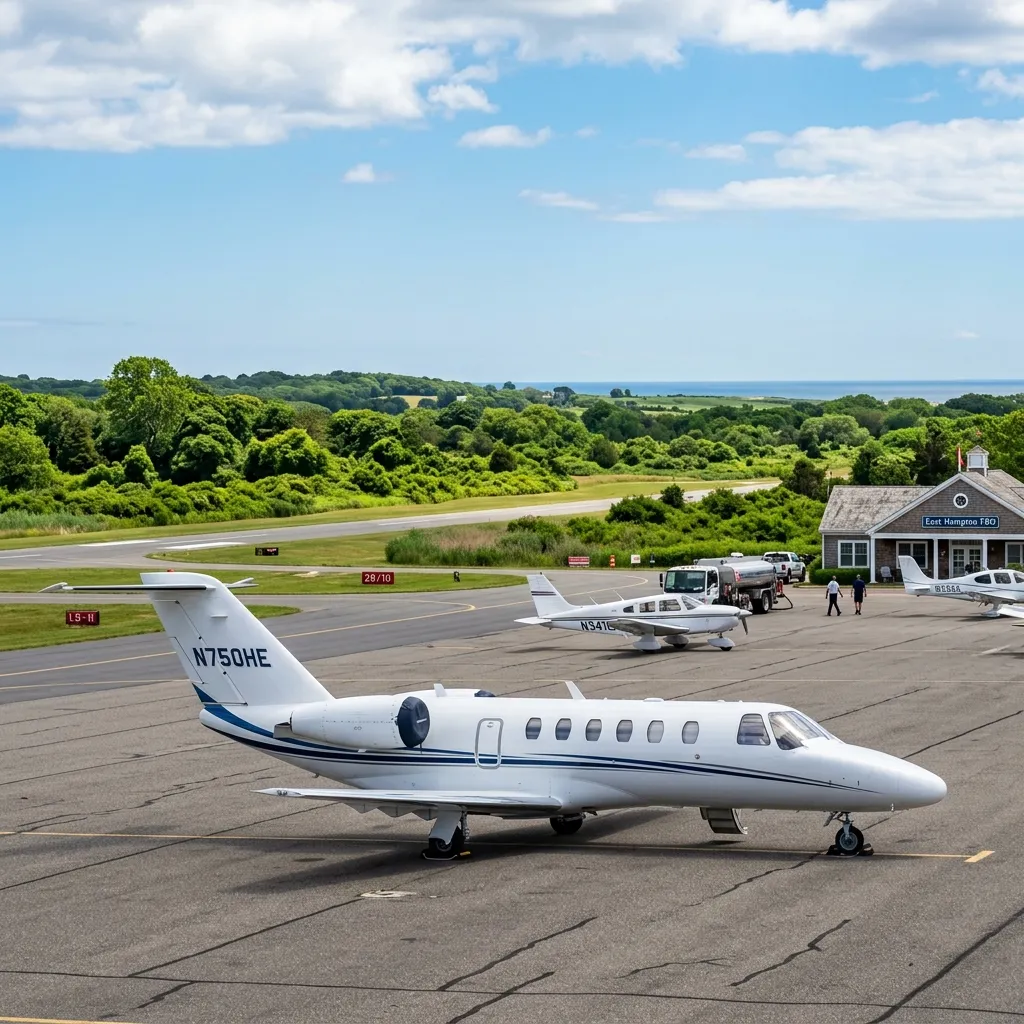
East Hampton Airport (HTO) sits on 602 acres in Wainscott, New York, roughly equidistant between East Hampton Village and Bridgehampton. Its single runway, 10/28, measures 4,242 feet long and 75 feet wide. That length accommodates turboprops, very light jets, and select light jets, but disqualifies midsize and heavy jets entirely. The airport has operated since 1936 and has spent the last decade at the center of a noise dispute that reshaped how private aviation accesses the East End of Long Island.
In 2022, the Town of East Hampton briefly closed and reopened the airport as a private-use facility with prior-permission-required (PPR) status. As of 2026, HTO operates under a PPR system with mandatory noise restrictions, landing fees starting at $500 for single-engine aircraft and scaling to $3,250 for non-compliant jets, and a booking system that requires 48-hour advance registration during peak season.
Which Aircraft Can Actually Land at East Hampton?
The 4,242-foot runway is the hard constraint. Every aircraft selection decision starts here.
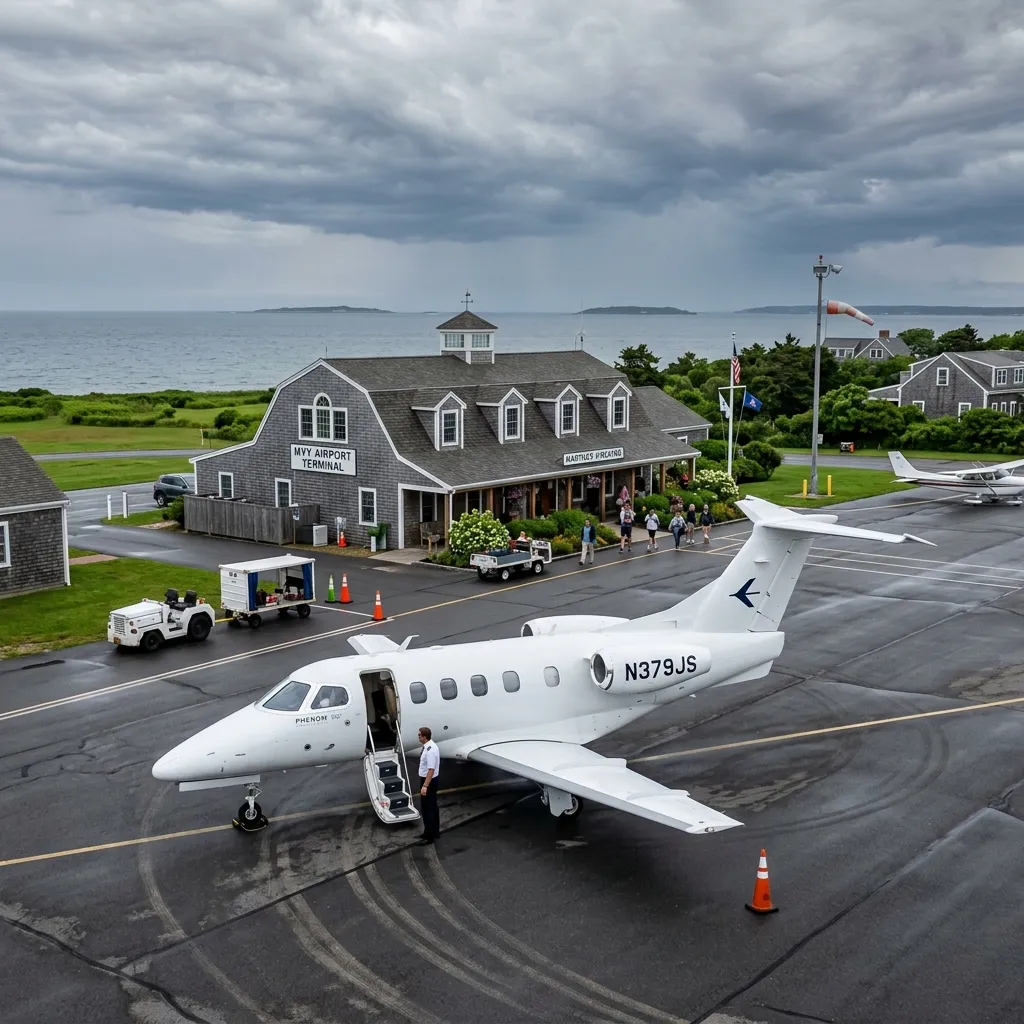
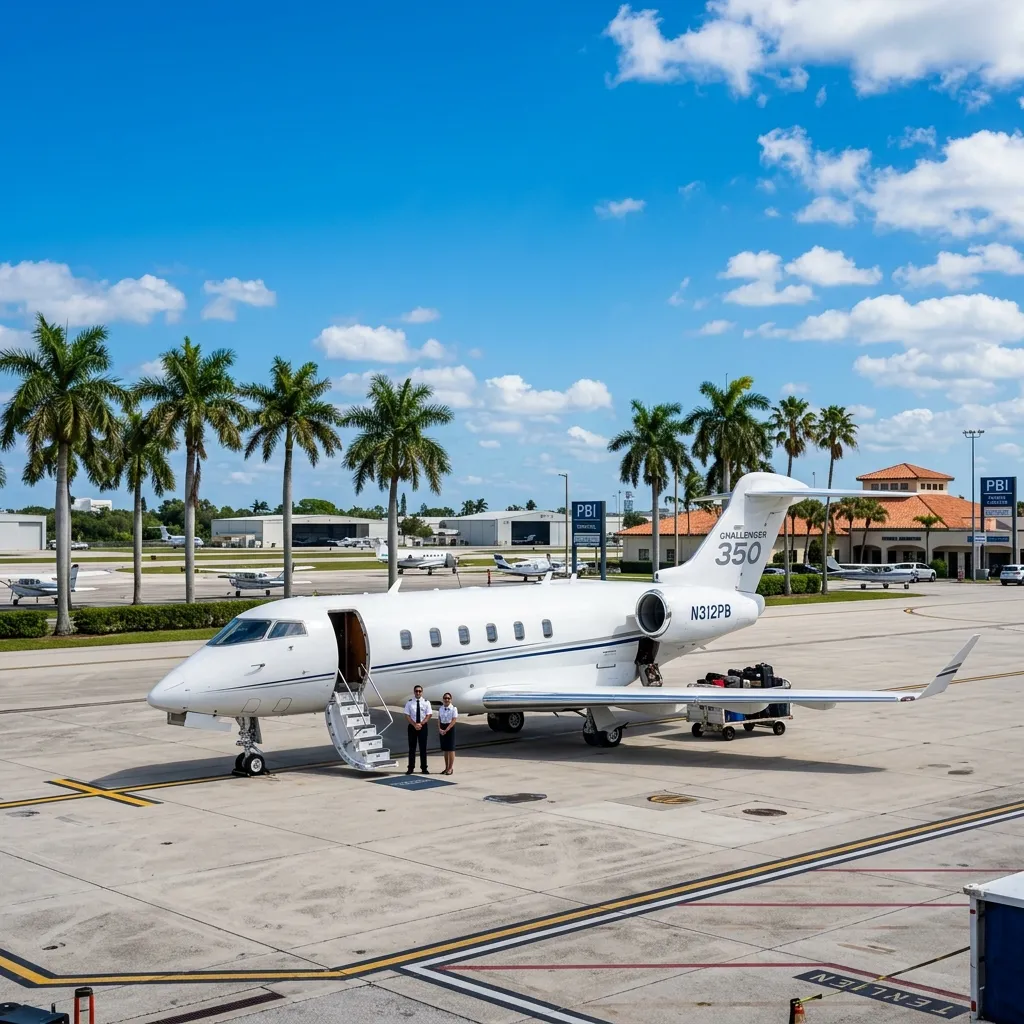
Conditional entries require weight-restricted operations. A Phenom 300 can land at HTO with reduced fuel and 4 to 5 passengers, but operators evaluate this on a per-flight basis considering temperature, wind, and runway condition. The Pilatus PC-12 and King Air 350 are the workhorses of the Hamptons route, operating without restrictions in all conditions.
Seasonal Pricing: Memorial Day Through Labor Day
Hamptons charter pricing follows a predictable calendar. Off-season (October through April), a Teterboro-to-East Hampton charter on a King Air 350 runs $4,500 to $6,000 one-way. During peak summer, the identical routing costs $7,500 to $12,000. The increase reflects three factors: elevated aircraft demand across the Northeast corridor, higher landing fees imposed by the PPR system, and limited ramp space at HTO during weekends.
Peak Pricing Windows
- Memorial Day Weekend: Demand peaks Wednesday through Friday. Book 2+ weeks ahead. One-way pricing jumps 60-80% above midweek rates.
- July 4th: The busiest single weekend at HTO. Ramp space fills by Thursday afternoon. Ground holds and sequencing delays of 30-45 minutes are common.
- August: Sustained high demand throughout the month. Friday afternoon departures from TEB and HPN regularly see 45-minute ATC delays for HTO-bound traffic.
- Labor Day Weekend: Reverse surge. Saturday and Sunday departures from HTO back to metro airports command premium pricing.
The clients who fly to the Hamptons weekly during summer do not book week by week. They secure seasonal contracts with operators, locking in 15 to 20 round trips at a negotiated rate that runs 20 to 30 percent below on-demand pricing. One-time charter clients absorb the peak premium.
Need a Charter Quote?
Contact our team for a personalized quote.
Get a Quote →Alternative Airports: When HTO Does Not Work
When HTO is full, weather-restricted, or when the aircraft does not fit the runway, three alternatives serve the Hamptons region. Each involves a ground transfer trade-off.
Gabreski Airport (FOK) — Westhampton Beach
Francis S. Gabreski Airport has a 9,000-foot runway that accepts every aircraft type from turboprops to Gulfstream G650s. Located 25 miles west of East Hampton Village, FOK adds a 35 to 45-minute ground transfer. The airport serves as the overflow option during peak weekends when HTO reaches capacity. Landing fees are significantly lower than HTO, and there is no PPR requirement. Sheltair operates the primary FBO.
Montauk Airport (MTP)
Montauk has a 3,247-foot runway, shorter than HTO, limiting access to turboprops and the smallest VLJs. The airport is unattended with no fuel service. It serves clients whose final destination is Montauk itself, eliminating the ground transfer entirely. Not recommended for charter operations due to lack of services.
Republic Airport (FRG) — Farmingdale
Republic Airport on Long Island's south shore has a 6,827-foot main runway and accepts all midsize and heavy jets. The trade-off is distance: 70 miles west of East Hampton, requiring a 90-minute drive in summer traffic. FRG is the fallback for operators who cannot secure HTO slots and need guaranteed ramp availability.
Common Routings and Flight Times to East Hampton
The Hamptons draw from a concentrated origin market. Over 80 percent of HTO private jet traffic originates from three metro-area airports.
The Teterboro-to-East Hampton segment is one of the most frequently flown private jet routes in the United States during summer. Flight time is 20 to 30 minutes depending on routing and ATC sequencing. The same trip by car takes 2.5 to 4 hours depending on Long Island Expressway traffic. That time differential is the entire value proposition.
Noise Restrictions and the PPR System
East Hampton's noise restrictions are the strictest of any private aviation airport in the Northeast. Understanding them prevents booking an aircraft that cannot legally operate there.
Current Operating Rules (2026)
- Operating hours: 7:00 AM to 11:00 PM local time. No arrivals or departures outside this window.
- Prior Permission Required: All operations require advance registration through the airport's online system. Minimum 48-hour notice during June through September.
- Noise compliance: Aircraft must meet specific noise certification standards. Non-compliant aircraft pay surcharges of $1,000 to $3,250 per operation.
- Helicopter restrictions: Separate rules apply. Helicopter operations are limited to specific approach corridors and hours.
- Weekend slot limits: Saturday and Sunday operations may be capped during peak season. Slots are first-come, first-served through the PPR system.
Operators familiar with HTO build these restrictions into their quoting process. First-time operators sometimes discover the PPR requirement after selling the trip, creating last-minute airport changes. Confirm HTO authorization before signing a charter agreement.