Why This Comparison Matters
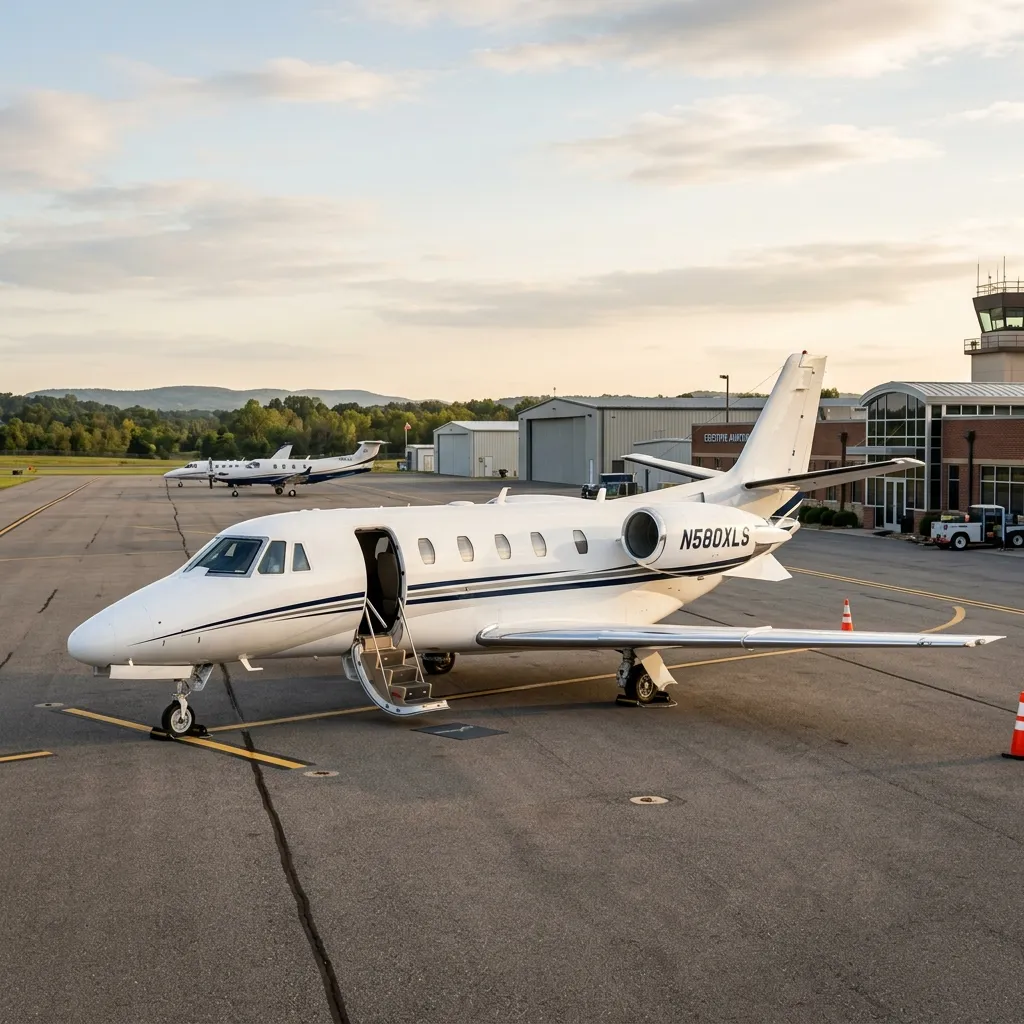
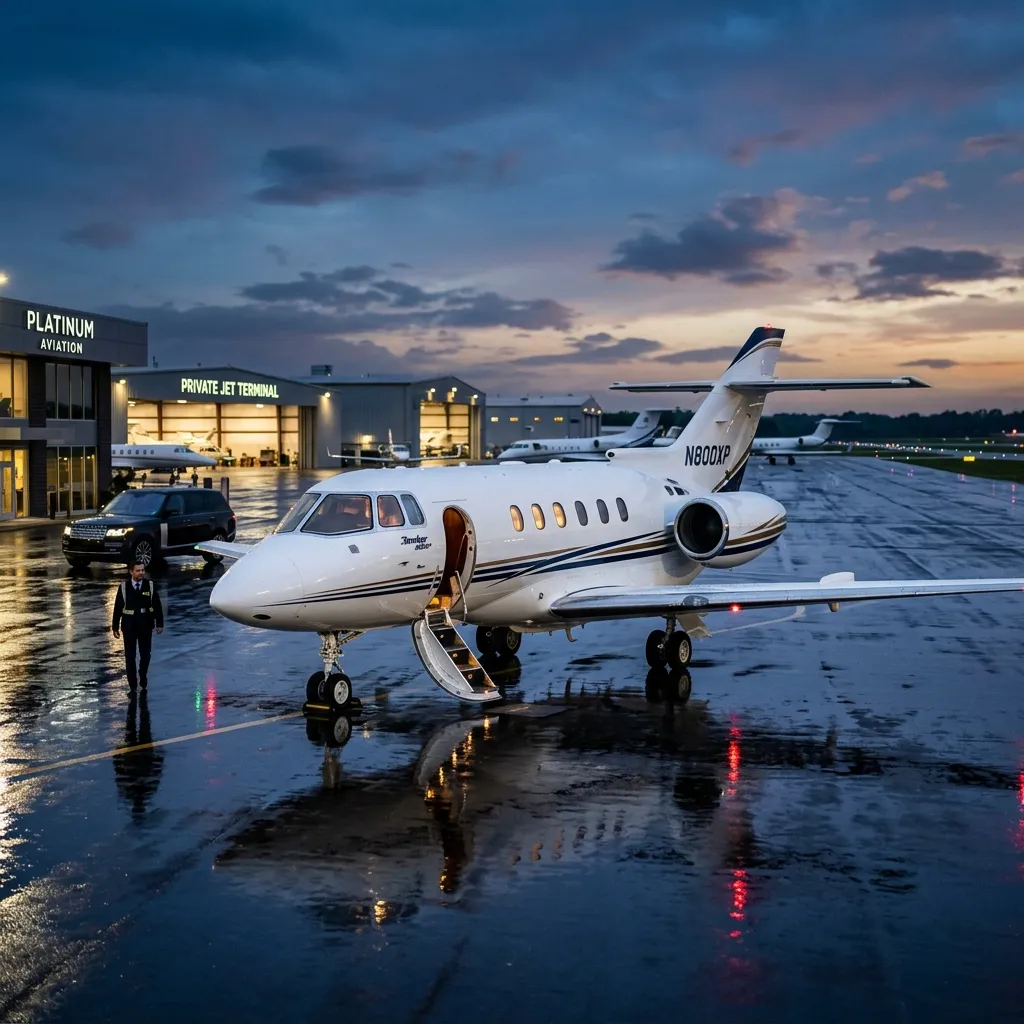
The Citation XLS and Hawker 800XP are the two most frequently chartered midsize jets in the U.S. fleet. Together, they represent well over 1,000 active aircraft on Part 135 certificates. When a charter broker quotes a midsize jet for a 1,200-mile trip, one of these two airframes is almost always on the shortlist.
They share a seating capacity of 8-9 passengers, a similar speed envelope (440-450 knots), and overlapping hourly charter rates of $2,800 to $4,000. But the similarities end at the cabin door. The Cessna was designed for operational efficiency. The Hawker was designed around passenger space. Choosing between them depends on whether you prioritize short-runway access and lower costs or cabin width and range.
5.5 ft vs 6.0 ft
Cabin Width
2,100 vs 2,540 nm
Max Range
$2,800-$4,000
Hourly Range
Inside the Cabin: Width Changes Everything
The Hawker 800XP's cabin is 6.0 feet wide and 5.8 feet tall. The Citation XLS measures 5.5 feet wide and 5.7 feet tall. That half-foot difference in width is immediately noticeable. In the Hawker, two passengers sitting across from each other in club seating can cross their legs without touching knees. In the XLS, the same configuration feels tighter, especially for passengers over six feet tall.
The Hawker also wins on cabin length: 21.3 feet versus 18.5 feet for the XLS. That extra three feet typically translates into a more generous aft lavatory and additional legroom throughout the cabin. On a four-hour transcontinental flight, the difference between feeling comfortable and feeling compressed becomes significant.
The XLS, however, dominates in baggage capacity. Its 80-cubic-foot baggage compartment dwarfs the Hawker's 49 cubic feet. For a group of four heading to a ski destination with oversized gear, the XLS fits the luggage that the Hawker cannot. I spent years working in charter operations, and insufficient baggage space was the single most common passenger complaint on midsize trips. A family of four heading to Vail with ski boots, helmets, and two weeks of cold-weather clothing will fill the Hawker's hold before the last bag is packed.
The Hawker 800XP carries more fuel and flies farther: 2,540 nautical miles versus the XLS's 2,100 nm. That 440-mile gap means the Hawker can fly Teterboro to Los Angeles nonstop without wind considerations, while the XLS occasionally needs a fuel stop on the westbound leg during winter headwinds.
The XLS takes the runway category decisively. It needs just 3,560 feet to get airborne; the Hawker requires 5,032 feet. That 1,472-foot advantage opens hundreds of smaller airports to the XLS that the Hawker simply cannot access. Airports like Aspen (8,006 ft runway but at 7,820 ft elevation) or Telluride impose density altitude penalties that eat into effective runway length. The XLS handles these conditions comfortably. The Hawker sweats.
Speed is a wash. The XLS cruises at 441 knots; the Hawker at 448 knots. On a three-hour flight, that seven-knot difference translates to roughly four minutes of flight time. Neither aircraft has a meaningful speed advantage.
Charter a Midsize Jet
Our team sources Citation XLS and Hawker 800XP availability from vetted Part 135 operators.
Request a Quote →Charter Cost and Operating Economics
The Citation XLS charters for $2,800 to $3,800 per flight hour. The Hawker 800XP ranges from $2,800 to $4,000. On a typical three-hour trip, the difference is $600 to $1,200 in the XLS's favor.
The Hawker burns roughly 55 more gallons per hour than the XLS. At $5.75 per gallon, that is $316 per flight hour in additional fuel cost. Over a five-hour mission, the fuel penalty alone exceeds $1,500. Operators pass this cost through, which is why the Hawker's rate ceiling sits $200 above the XLS.
Maintenance costs also favor the Citation. The XLS entered service in 2004 with modern manufacturing and digital systems. The Hawker 800XP dates to 1995 with a design lineage stretching back to the de Havilland DH.125 of the 1960s. Older airframes accumulate higher inspection and parts replacement costs. From my time on the dispatch side, I watched Hawker 800XPs approaching their second or third scheduled overhauls pull aircraft out of service for weeks at a time. The parts supply chain for legacy British-built airframes is thinner than for Cessna products, and that downtime gets priced into the hourly rate.
Fleet Age and Availability
The Hawker 800XP was produced from 1995 to 2006. The youngest 800XP in the fleet is now 20 years old. While well-maintained examples fly reliably, the type is entering the late stage of its economic life. Many have accumulated 8,000 to 12,000 flight hours. Insurance costs rise with airframe age, and some operators have begun transitioning their Hawkers to newer types.
The Citation XLS has been in production since 2004, with the XLS+ and XLS Gen2 variants continuing through the present day. The youngest XLS variants are only a few years old. This production continuity means a wider spread of available aircraft, from value-priced 2006 models to near-new Gen2 airframes with updated interiors and glass cockpits.
If you charter midsize jets regularly and want consistent aircraft quality, the XLS fleet offers more predictability. The Hawker fleet is older but still delivers on cabin space for passengers who prioritize room over recency.
Both types are readily available for charter across the continental U.S. The densest fleet concentrations are in Texas, Florida, and the Northeast. Same-day or next-day availability is realistic for either aircraft outside of peak travel weeks.
The Decision: Which Jet Fits Your Mission?
Choose the Citation XLS when your routing involves shorter runways, your passenger count is 4-6 with significant luggage, or you are optimizing for cost. The XLS is the more practical, efficient midsize jet. It gets in and out of more airports, burns less fuel, and costs less to charter.
Choose the Hawker 800XP when you are carrying 7-8 passengers on flights over 2,000 nautical miles and cabin comfort is the priority. The wider cabin, longer fuselage, and superior range make the Hawker the better choice for longer domestic and Caribbean routing with larger groups.
For a mission like New York to Aspen, the XLS is the clear winner: it handles the short runway, carries the ski gear, and costs less per hour. For a mission like Dallas to the U.S. Virgin Islands with eight executives, the Hawker's cabin width and range make it the more comfortable, more capable tool.
Neither aircraft is wrong. They are different tools built for overlapping but distinct mission profiles. The right charter broker will match the aircraft to your specific trip, not the other way around.