The Convergence: Same Buyer, Same Geography
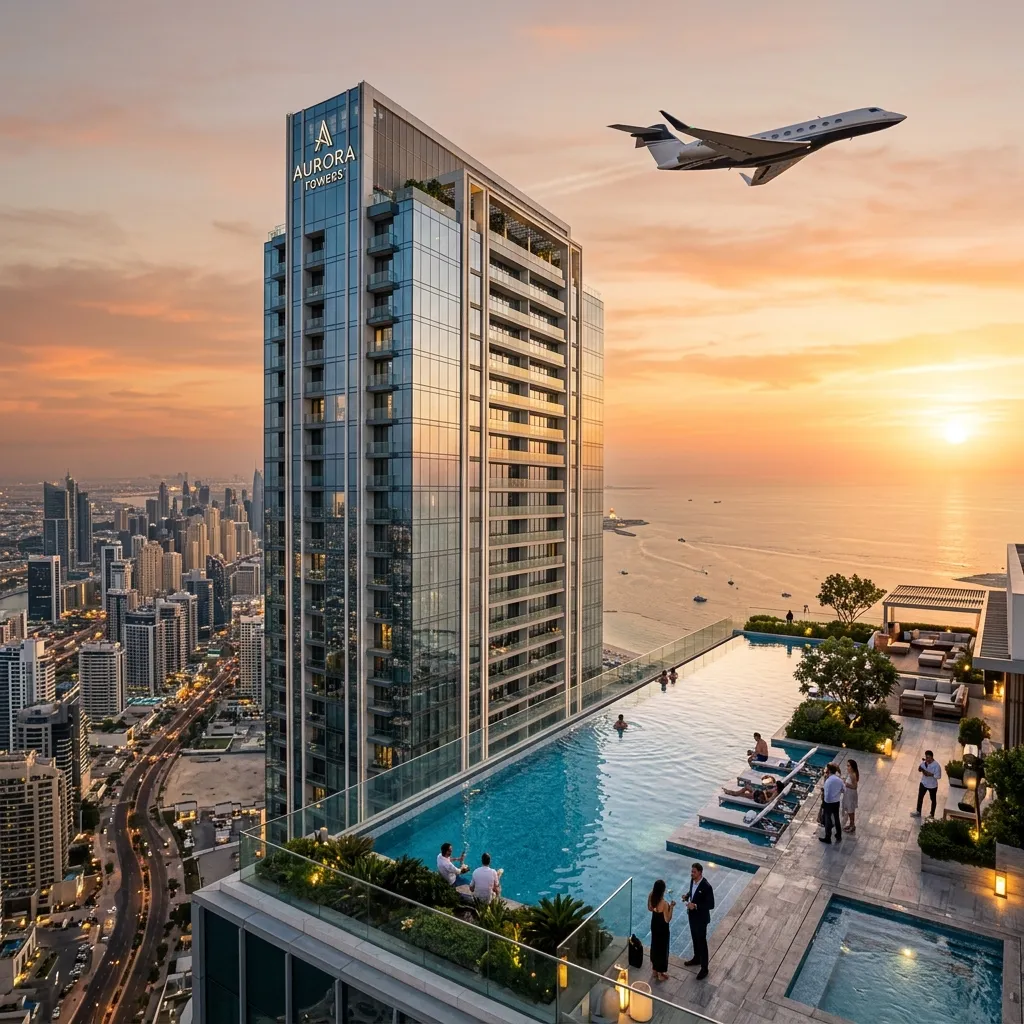
The buyer who charters a G650 from Teterboro to Palm Beach four times a year is the same buyer who purchases a $6 million branded residence in Palm Beach County. Developers and hotel brands recognized this overlap a decade ago. The result is a development pattern where branded residences (Four Seasons, Ritz-Carlton, St. Regis, Aman, Rosewood) are concentrating within 15-minute drive times of major private jet airports.
Between 2020 and 2026, the number of branded residence projects within 15 minutes of a primary private aviation airport in the United States grew approximately 72%, from 34 active projects to an estimated 58. This growth outpaced the branded residence market overall, which grew approximately 40% during the same period according to Savills Research.
The geographic correlation is not accidental. Branded residence buyers are frequent private aviation users. Their purchase decisions are influenced by proximity to airports that allow them to arrive by jet, drive 10 minutes to their residence, and reverse the process when they depart. Every additional minute of ground transportation is friction that reduces the property's appeal.
Market Map: Where Branded Residences Cluster Near FBOs
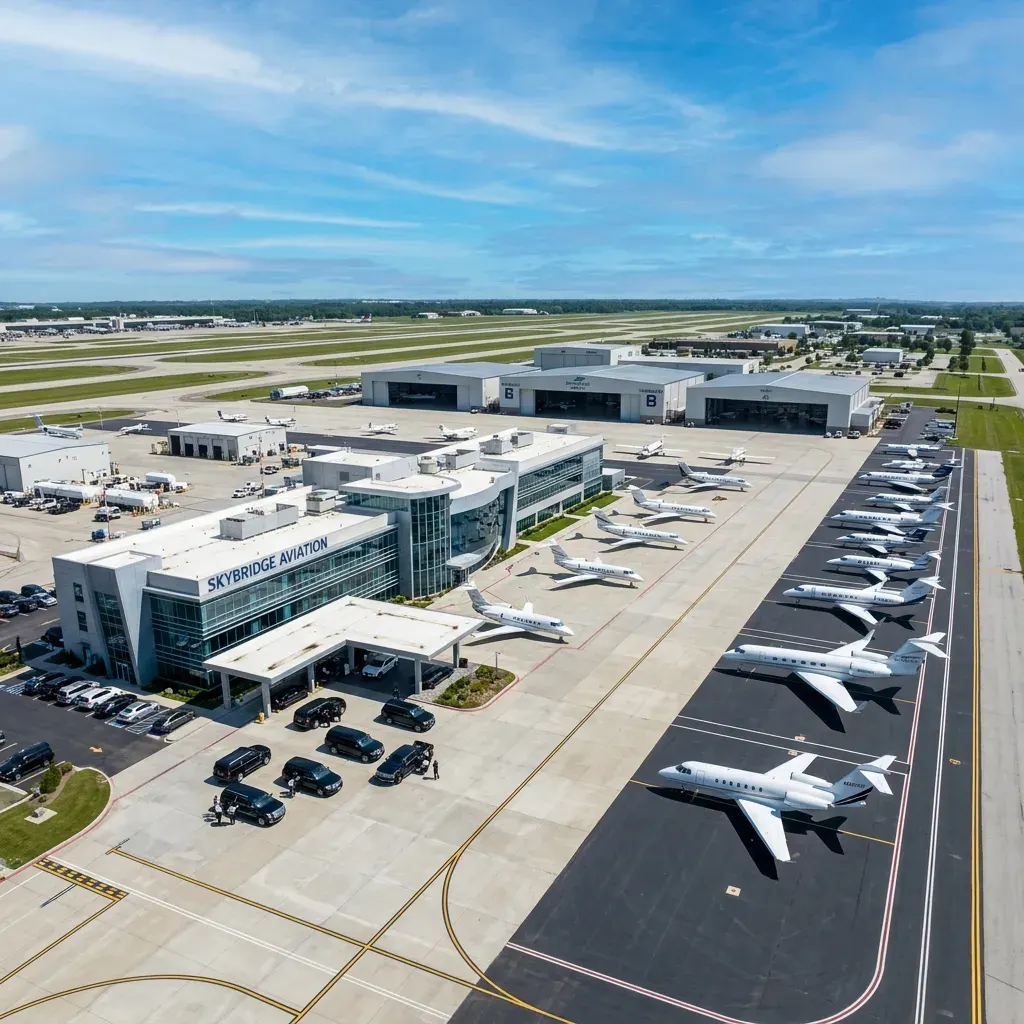
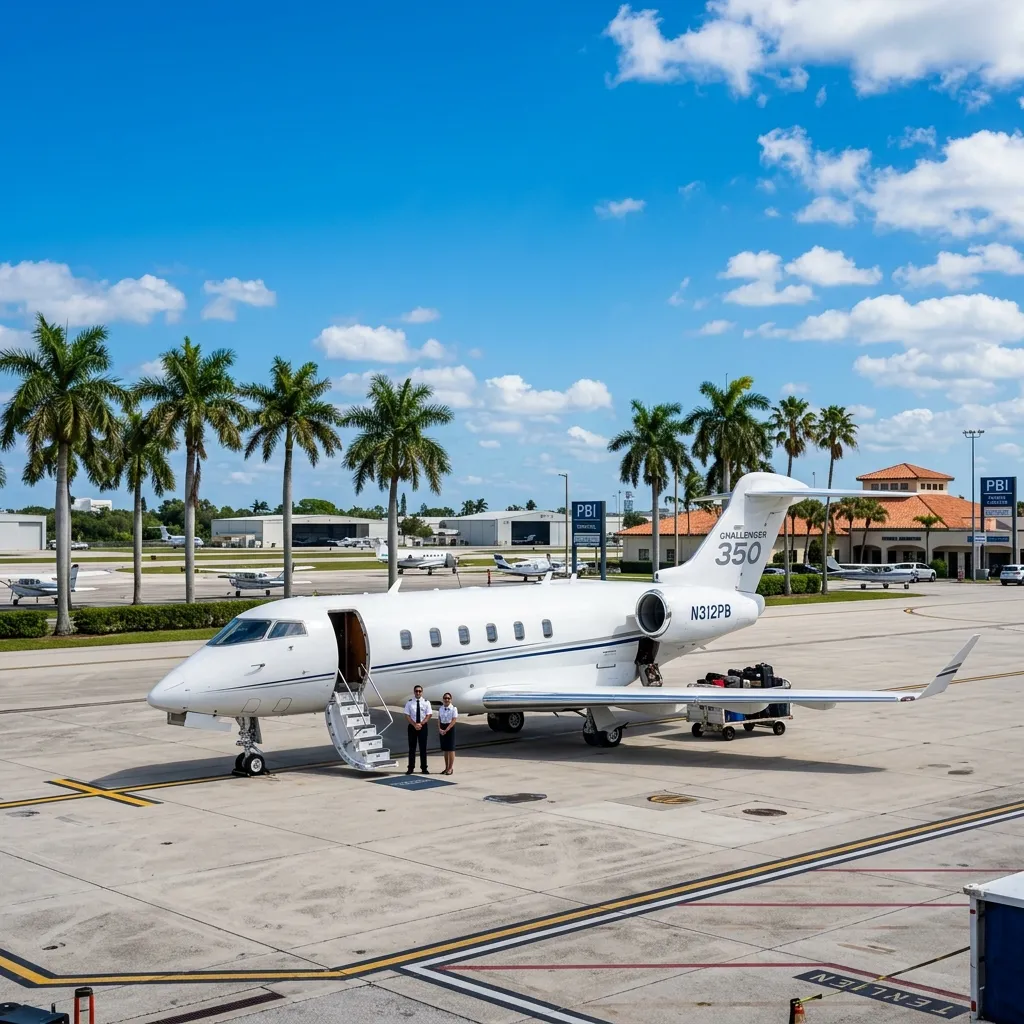
South Florida dominates the branded residence-airport proximity map. Opa-locka Executive (OPF), Fort Lauderdale Executive (FXE), and Palm Beach International (PBI) are all within 20 minutes of multiple branded residence developments. The density of both private aviation infrastructure and branded real estate in the Miami-to-Palm Beach corridor is unmatched anywhere in the United States.
Why Hotel Brands Build Near Airports: The Data
Hotel brands do not build branded residences near airports by accident. They build where their buyer data tells them to. Four Seasons Private Residences, for example, reports that 78% of buyers at their U.S. properties own or charter private aircraft. Aman's buyer profile at Aman New York skews even higher: the average Aman residence buyer maintains access to private aviation through ownership, fractional, or jet card programs.
The Premium for Airport Proximity
Branded residences within 15 minutes of a private aviation airport command a 12-18% price premium over comparable branded residences that are 30+ minutes from private aviation infrastructure, according to Knight Frank's 2025 Branded Residences Report. This premium reflects the buyer's willingness to pay for reduced friction between air travel and home.
The premium is highest in resort markets. A Four Seasons residence in Aspen (10 minutes from ASE) commands pricing that reflects both the Aspen real estate market and the seamless connectivity to private aviation. A similar Four Seasons product in a market without a nearby private aviation airport would not command the same per-square-foot pricing from the same buyer profile.
Developers who pitch branded residences without mentioning airport proximity are missing the buyer's primary logistics concern. A $10 million residence 45 minutes from the nearest FBO creates the same friction that a $3 million non-branded residence 10 minutes from the FBO avoids. Proximity is not a feature. It is the infrastructure that makes the lifestyle work.
Need a Charter Quote?
Contact our team for a personalized quote.
Get a Quote →The Airpark Model: When the Runway Is the Driveway
The most extreme expression of the branded residence-aviation nexus is the residential airpark: private communities where homes have taxiway access to a runway. The United States has approximately 600 residential airparks, most serving small single-engine aircraft. But a handful of communities cater to jet owners:
- Spruce Creek, FL (7J7): 1,700 homes on a fly-in community with a 4,000-foot runway. Primarily piston and turboprop owners, but light jets operate.
- Jumbolair, FL: An exclusive 550-acre airpark in Ocala with a 7,550-foot runway that accepts heavy jets. John Travolta's former home sat on the taxiway with a Boeing 707 parked at the house.
- Desert Hawk, AZ: A luxury fly-in community near Phoenix with hangar homes designed around aircraft.
- Horseshoe Bay, TX: A Central Texas fly-in community with a 6,600-foot runway and upscale hangar homes.
Residential airparks represent a niche market, but the concept is expanding. Several new developments in Florida and Texas are being designed with taxiway-access lots for jet-owning residents, recognizing that eliminating the drive from home to airport is the ultimate value proposition for a certain buyer.
Investment Thesis: Why the Trend Continues
Three structural forces drive continued growth of branded residences near private aviation hubs:
1. Private Aviation Expansion
The U.S. private aviation market added approximately 1.2 million first-time flyers between 2020 and 2024, driven by pandemic-era demand and the proliferation of charter marketplace platforms. Many of these new users converted to permanent private aviation access through jet cards or fractional programs. Their real estate decisions increasingly factor in airport proximity.
2. Remote Work and Multi-Home Lifestyle
High-net-worth individuals increasingly maintain 2-4 residences across different markets (Manhattan, Palm Beach, Aspen, Scottsdale). Private aviation is the connective tissue between these homes. Branded residences near airports in each market create a seamless network: land at PBI, drive 10 minutes to the Four Seasons residence, live for a month, fly to ASE, drive 12 minutes to the Aspen residence.
3. Hotel Brand Expansion Strategy
Branded residences are the fastest-growing segment of the luxury hotel industry. Marriott (Ritz-Carlton, St. Regis, W), Accor (Fairmont, Raffles, Aman), and Four Seasons have all expanded branded residence programs as a capital-efficient way to extend brand presence. Partnering with residential developers near private aviation hubs aligns brand placement with the highest-value buyer demographic.
The Buyer Profile: Who Purchases at the Intersection of Aviation and Real Estate
The branded residence buyer near a private aviation airport is not simply wealthy. The profile is specific: a household net worth exceeding $30 million, ownership or fractional share in at least one aircraft (or consistent jet card usage exceeding 50 hours annually), and a multi-city lifestyle that requires residences in two or more markets. The median age is 52-58 years. The primary residence is typically in a major metro (New York, San Francisco, Chicago, Houston). The branded residence near an airport is the secondary or tertiary home.
These buyers make purchasing decisions differently than the general luxury market. Airport proximity is evaluated alongside the standard criteria (brand, finishes, views, amenities). A branded residence developer who can demonstrate a 10-minute ramp-to-residence transfer has a concrete advantage over a comparable product that requires a 35-minute drive from the nearest FBO. In buyer surveys conducted by Knight Frank, proximity to private aviation ranked in the top five purchasing factors for residences priced above $5 million in resort markets.
The Multi-Home Network Effect
The most compelling aspect of branded residences for private aviation users is the network effect. A buyer who owns Four Seasons residences in both Palm Beach and Jackson Hole benefits from consistent brand standards, reciprocal hotel amenities, and a familiar service model at both locations. The private jet connects the two residences in 4 hours. The branded residence ensures the same level of housekeeping, concierge, and property management at each end.
Hotel brands are designing explicitly for this use case. Aman's 'Janu' sub-brand and Four Seasons' expanded Private Residences program both emphasize multi-property ownership packages where buyers receive preferential pricing on second and third residences within the brand network. The private jet is not marketed directly, but the target buyer is assumed to have one.