
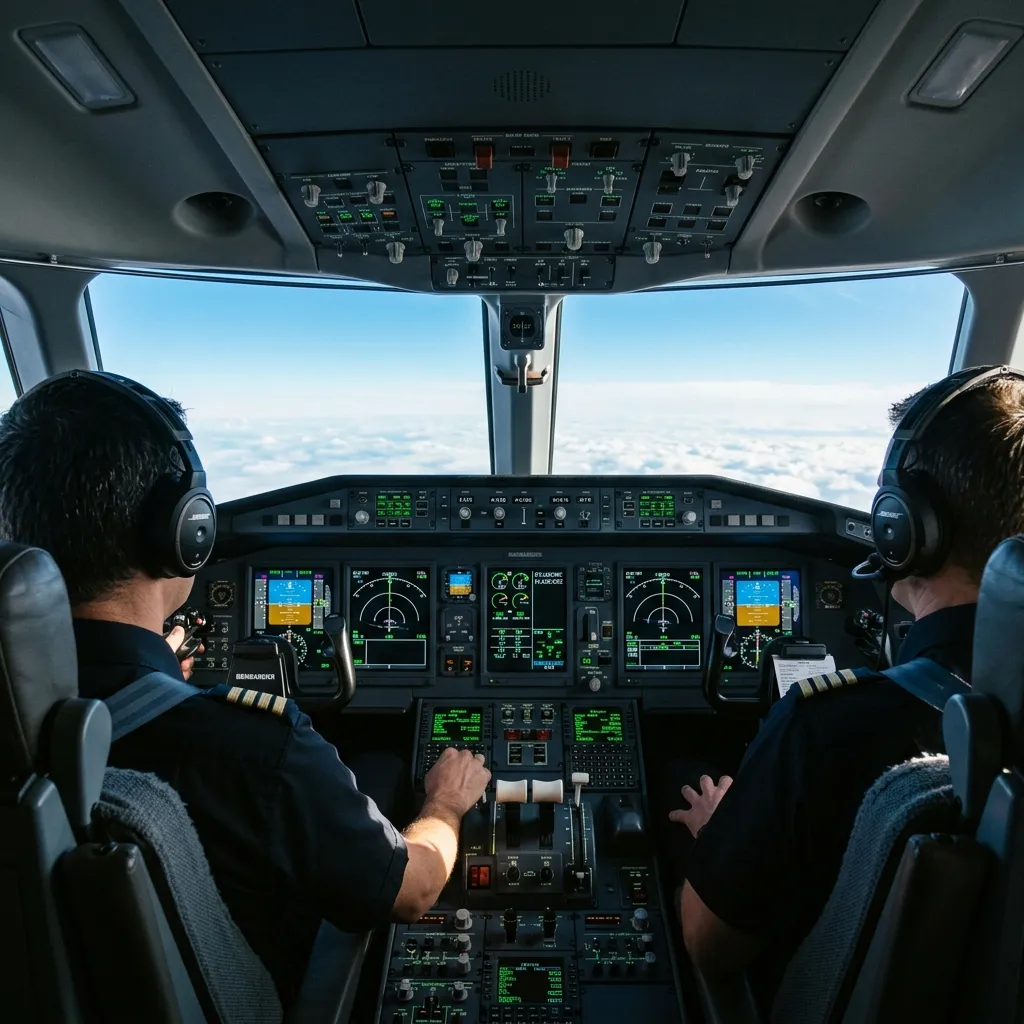
Medical-configured Learjet air ambulance on a hospital helipad with medical team loading equipment

Air Ambulance and Medical Evacuation by Private Jet

Fixed-wing air ambulance operators completed approximately 300,000 medical transports in the United States in 2025. The fleet includes 450+ dedicated medical jets and turboprops operated by companies like AirMedCare, PHI Air Medical, Air Methods, and Guardian Flight. A domestic medical evacuation on a Learjet 35A configured with ICU-level equipment costs $15,000-$25,000 per flight hour. An international repatriation from Europe on a Challenger 604 runs $100,000-$250,000 one way.

In This Article

The Air Ambulance Fleet: Which Jets Are Used Medical Configuration: What Goes Inside the Aircraft Cost Structure: Why Air Ambulance Flights Are Expensive When Air Ambulance Is the Right Decision International Medical Repatriation: Process and Timeline Frequently Asked Questions

The Air Ambulance Fleet: Which Jets Are Used

The Learjet 35A is the workhorse of the U.S. air ambulance fleet. Its combination of 2,060 nm range, 530-knot cruise speed, and cabin dimensions that accommodate a medical stretcher configuration made it the default platform for fixed-wing medevac. Approximately 120 Learjet 35As are configured for air ambulance service in the United States. The aircraft's age (most were built in the 1980s) means the fleet is contracting as airframes reach life limits.

The King Air 200 and 350 serve regional medevac missions under 1,500 nm. Their ability to operate from short runways (2,500-3,500 feet) makes them essential for accessing rural hospitals and small-town airports where jets cannot operate. The King Air 350's pressurized cabin maintains a comfortable altitude for patients sensitive to altitude changes (cardiac, respiratory, and neurological patients require cabin altitudes below 6,000 feet).

Medical Configuration: What Goes Inside the Aircraft

A medical-configured jet replaces the standard cabin with ICU-equivalent equipment. The typical installation includes: one or two medical stretchers (FAA-approved litter mounts attached to the seat track system), cardiac monitor/defibrillator, ventilator (transport-grade, capable of 4-12 hours of operation on onboard power), IV infusion pumps (2-4 units), suction equipment, portable oxygen system (sufficient for the flight duration plus 2-hour reserve), and a comprehensive medication kit.

The medical crew typically consists of a flight nurse (RN with critical care certification) and a flight paramedic (NREMT-P). For ICU-level transports, a physician (often a critical care or emergency medicine specialist) replaces or joins the paramedic. Neonatal transports require specialized isolette equipment and a neonatal nurse practitioner or neonatologist. The medical crew occupies 2-3 seats, limiting patient capacity to 1-2 per flight.

Equipment weight is a factor in aircraft selection. A full ICU medical configuration weighs 800-1,200 lbs including the stretcher, monitors, ventilator, oxygen, medications, and medical crew personal equipment. This weight reduces the aircraft's fuel capacity and range. A Learjet 35A with a full medical load and one patient has an effective range of approximately 1,500 nm versus 2,060 nm in standard configuration.

Cost Structure: Why Air Ambulance Flights Are Expensive

A domestic air ambulance flight on a Learjet 35A from Miami to New York (approximately 1,100 nm) costs $25,000-$45,000 all-in. That price includes: aircraft charter ($15,000-$20,000 for 2.5 flight hours), medical crew ($3,000-$6,000 for the flight nurse and paramedic), ground ambulance at origin and destination ($1,500-$3,000 each), medical equipment and consumables ($1,000-$2,000), and coordination fees ($1,500-$3,000).

International medical repatriation costs escalate significantly. A Challenger 604 flight from London to New York with a physician-led medical team costs $100,000-$150,000. A G550 repatriation from Dubai to the U.S. runs $200,000-$350,000. These costs reflect the aircraft's high hourly rates, extended crew duty (16-24 hours for long-haul repatriations), fuel at international prices, overflight permits, customs coordination at both ends, and the medical team's travel and accommodation.

Insurance coverage for air ambulance transport is inconsistent. Standard health insurance may cover a portion of the medical transport cost but rarely the full amount. Dedicated air ambulance membership programs (AirMedCare Network: $85-$350/year, MASA: $200-$400/year) cover the transport cost above what insurance pays. Travel insurance with medical evacuation riders typically covers $100,000-$500,000 in evacuation costs. For international travelers, standalone medical evacuation policies (Global Rescue, International SOS) provide the most comprehensive coverage.

Need a Charter Quote?

Contact our team for a personalized quote.

Get a Quote

When Air Ambulance Is the Right Decision

Fixed-wing air ambulance transport is medically indicated when the patient requires care at a facility more than 150 miles away and cannot safely travel by ground ambulance (trip duration exceeding 4-6 hours degrades patient outcomes for time-critical conditions). Common scenarios: stroke patients requiring thrombectomy at a comprehensive stroke center, burn patients being transferred to a regional burn center, trauma patients needing Level I trauma center capabilities, and organ transplant patients being repositioned for surgery.

Non-emergency medical repatriation is the second major use case. A traveler who suffers a serious illness or injury abroad (cardiac event in Mexico, skiing accident in Switzerland, stroke in the Caribbean) may require medical repatriation to their home hospital for definitive treatment or ongoing care. These flights are scheduled 24-72 hours in advance, allowing time for bed-to-bed coordination between the originating and receiving hospitals.

The decision to use air ambulance transport is made by physicians, not patients or families. The sending physician, receiving physician, and medical transport team collaborate on whether the patient is stable enough for flight and whether air transport provides a meaningful time advantage over ground alternatives.

International Medical Repatriation: Process and Timeline

International medical repatriation follows a structured process. The requesting physician or family contacts a medical transport coordination company (Global Rescue, International SOS, MedjetAssist). The coordinator conducts a medical assessment via telephone or telemedicine with the attending physician at the originating hospital. If air transport is medically appropriate, the coordinator selects an aircraft, assembles a medical crew, and obtains necessary permits.

Overflight permits for medical repatriation flights typically receive expedited processing. Most countries grant medical overflight permits within 24-48 hours versus the standard 72-hour processing time. Landing permits at both ends require customs notification and sometimes advance medical clearance from the receiving country's health authority. The coordination timeline from initial request to wheels-up: 24-72 hours for routine repatriations, 12-24 hours for urgent cases where diplomatic channels accelerate permits.

The medical crew typically meets the aircraft at the departure airport and accompanies the patient for the entire journey. For long-haul repatriations (over 8 hours), two medical teams may rotate to ensure continuous alertness. The receiving hospital is notified of the patient's condition, current medications, and estimated arrival time. A ground ambulance meets the aircraft at the destination for transport to the receiving hospital. The bed-to-bed coordination ensures continuity of care throughout the entire journey.

Brian Galvan

Written By

Brian Galvan

Founder, The Jet Finder ยท Private Aviation Operations & Technology

Former Director of Technology at FlyUSA (Inc. 5000 fastest-growing private jet company). Decade of hands-on experience across Part 135 operations, charter sales, fleet management, and aviation data systems.

LinkedInRead Full Profile →
Common Questions

Frequently Asked Questions


6 questions about air ambulance and medical evacuation services using private jets

A 1,000 nm air ambulance flight on a Learjet 35A breaks down approximately as follows: aircraft charter 2.5 flight hours (,000-,000), flight nurse and paramedic crew (,000-,000), ground ambulance at departure point (,500-,500), ground ambulance at arrival point (,500-,500), medical equipment consumables and oxygen (,000-,000), coordination and medical direction fees (,500-,000). Total: ,500-,000. Longer flights, physician-led teams, or specialized equipment (neonatal isolette, IABP) increase the total.

The Pilatus PC-24 leads replacement evaluations because its large cargo door allows stretcher loading from outside the aircraft (eliminating the difficult through-cabin loading of the Learjet 35A). The PC-24 also operates from unpaved runways, extending access to remote hospitals. The Citation CJ3+ offers lower fuel burn and Garmin avionics. The Phenom 300 provides wider cabin space for medical crews. Conversion timelines are slow: each replacement aircraft costs - million versus the ,000-,000 acquisition cost of a used Learjet 35A.

AirMedCare Network covers domestic air ambulance transport gaps (the amount insurance does not cover) within its provider network at -/year. It does not cover international evacuations. A standalone medical evacuation policy (Global Rescue at /year, International SOS through employers) covers international repatriation at ,000-,000. For travelers who fly both domestically and internationally, carrying both provides comprehensive coverage: AirMedCare for domestic incidents and Global Rescue for international ones. Total annual cost: - for family coverage.

Dedicated air ambulance operators maintain aircraft on 2-4 hour standby. From the initial request to wheels-up, domestic air ambulance dispatch takes 2-4 hours including medical crew activation, patient assessment, and flight planning. For time-critical emergencies (stroke, STEMI, severe trauma), some operators maintain 1-hour response capability. International medical evacuations require 12-48 hours for coordination including overflight permits, customs clearance, and bed-to-bed medical planning.

A standard charter jet with a nurse or physician escort works for patients who are hemodynamically stable, breathing independently, not requiring IV medication drips, and able to sit upright or recline in a standard lie-flat seat. Common scenarios: post-surgical patients cleared for travel, orthopedic injuries (hip replacement, fractures), cardiac patients post-stabilization returning home for follow-up care, and psychiatric escorts. The escort cost (,000-,000) is added to the standard charter price. This approach does not work for patients requiring ventilation, continuous cardiac monitoring, or active IV medication management.

A fully configured air ambulance jet carries ICU-equivalent equipment: cardiac monitor/defibrillator, transport ventilator (battery-operated, 4-12 hours capacity), 2-4 IV infusion pumps, portable oxygen system with 4+ hours supply, suction equipment, comprehensive medication kit (ACLS drugs, sedatives, vasopressors), portable blood lab (i-STAT or similar), and one or two FAA-approved medical stretchers. The equipment weighs 800-1,200 lbs and is certified for aircraft installation. The medical crew (flight nurse + paramedic or physician) manages this equipment throughout the flight.

Continue Reading

Related Articles


Your Next Mission

Ready to Fly?


Whether you need a charter quote or want to explore aircraft options, our team is here.

Contact Us