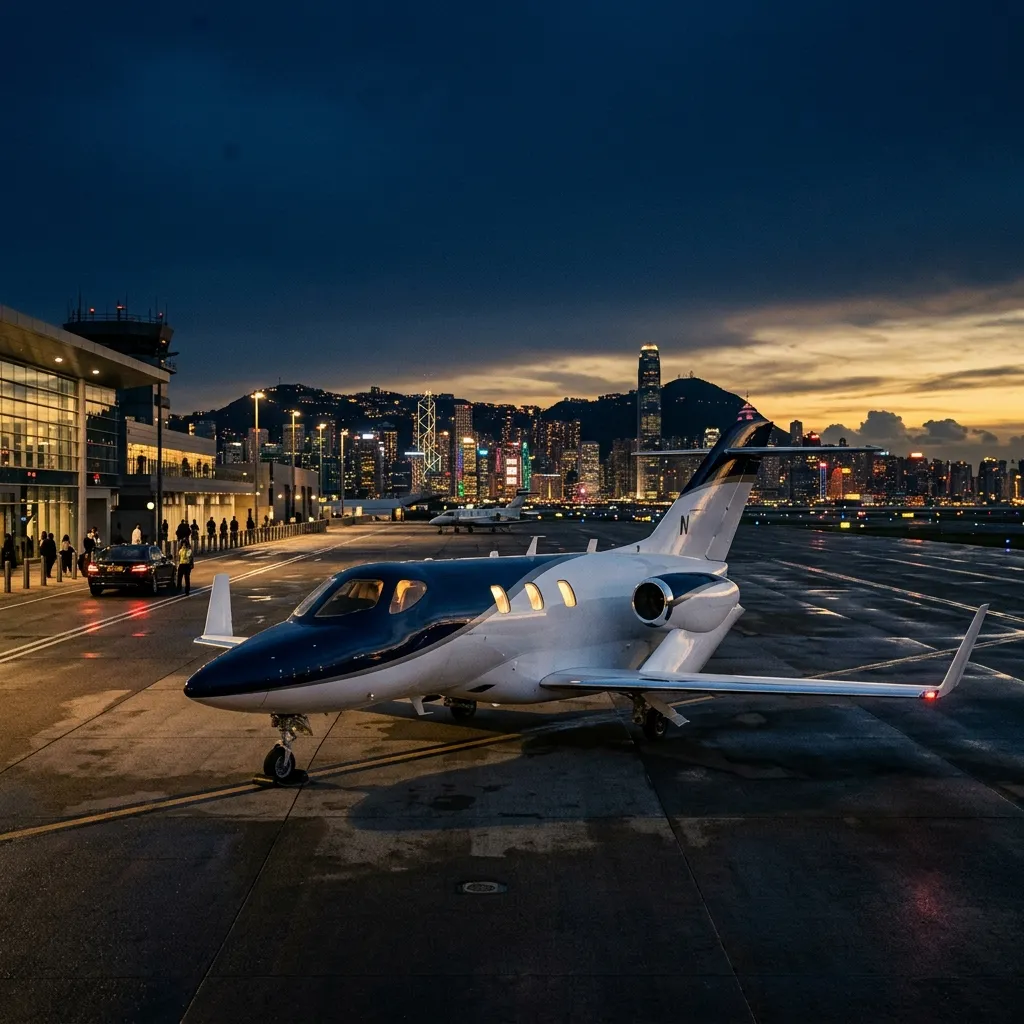
Very Light Jets Overview
Very light jets seat 4–6 passengers and are ideal for short regional flights under 1,500 NM. Lower operating costs and the ability to access shorter runways make VLJs the most accessible entry point into private aviation.
The Jet Finder's aircraft directory currently tracks 9 very light jet models with a combined 167 registered aircraft in the FAA Aircraft Registry. Cruise speeds across this category range from 311 to 450 knots, with ranges spanning 1,125 to 1,550 nautical miles.
Typical charter rates for very light jet aircraft range from $2,000–$4,000/hr per flight hour. Day trips between cities under 1,000 miles apart, business meetings requiring same-day return flights, personal travel avoiding commercial airport congestion, and flight training for jet ratings.
Typical Missions
Regional hops — New York to D.C., Dallas to Houston, Chicago to Indianapolis. Whether you are evaluating a charter flight or considering an acquisition, understanding the performance envelope of the very light jet category is essential for matching the right aircraft to your mission profile.
Who Flies Very Light Jets and Why
The Regional Executive
Flying 200–600 nm legs, often solo or with one colleague, replacing 4–6 hour drives or missed commercial connections. Time-of-day flexibility is the value proposition. Depart when the meeting ends, not when the airline schedules.
The Owner-Operator
VLJs are the most common single-pilot-certified jet category. Many are owned by individuals who fly themselves. No crew payroll, no scheduling conflicts. This is unique to VLJs and a primary reason the category exists.
The Cost-Conscious Charter Client
The entry point to jet travel. A VLJ charter for a short hop costs less than a heavy-jet repositioning fee. For first-time charter clients evaluating private aviation, this is where most start.
Need more range or passengers? See the next category.
Performance and Mission Profile
Very Light Jets cruise at 311–450 knots with ranges of 1,125–1,550 nm. Service ceilings typically reach FL410–FL450. The table below shows how these numbers translate to real missions.
| Mission | Example City Pair | Feasibility |
|---|---|---|
| Short regional | Teterboro → Nantucket | Comfortable nonstop |
| Mid regional | Dallas → Aspen | Nonstop with full pax |
| Long regional | Los Angeles → Salt Lake City | Nonstop, range-limited |
| Transcontinental | New York → Los Angeles | Not feasible without fuel stop |
Cost to Operate and to Charter
Operating cost is what an owner pays per flight hour to fly the aircraft: fuel, maintenance reserves, crew prorate. Charter rate is what a charter client pays for the aircraft on a specific trip, including the operator's overhead, profit, and positioning.
| Cost Line | Low | Typical | High |
|---|---|---|---|
| Hourly operating cost | $1,800 | $2,300 | $2,800 |
| Hourly charter rate | $2,800 | $3,500 | $4,200 |
| Annual fixed cost (owner) | $350K | $500K | $700K |
Charter rates exceed operating costs because they include positioning flights, crew scheduling, insurance, and the 7.5% Federal Excise Tax (FET) on domestic charters. Prospective aircraft buyers should budget annual fixed costs separately from per-hour operating costs.
Browse 9 Very Light Jets Models
Each model page includes detailed specifications, performance data, and a complete fleet registry linking to individual tail number pages with FAA registration data.
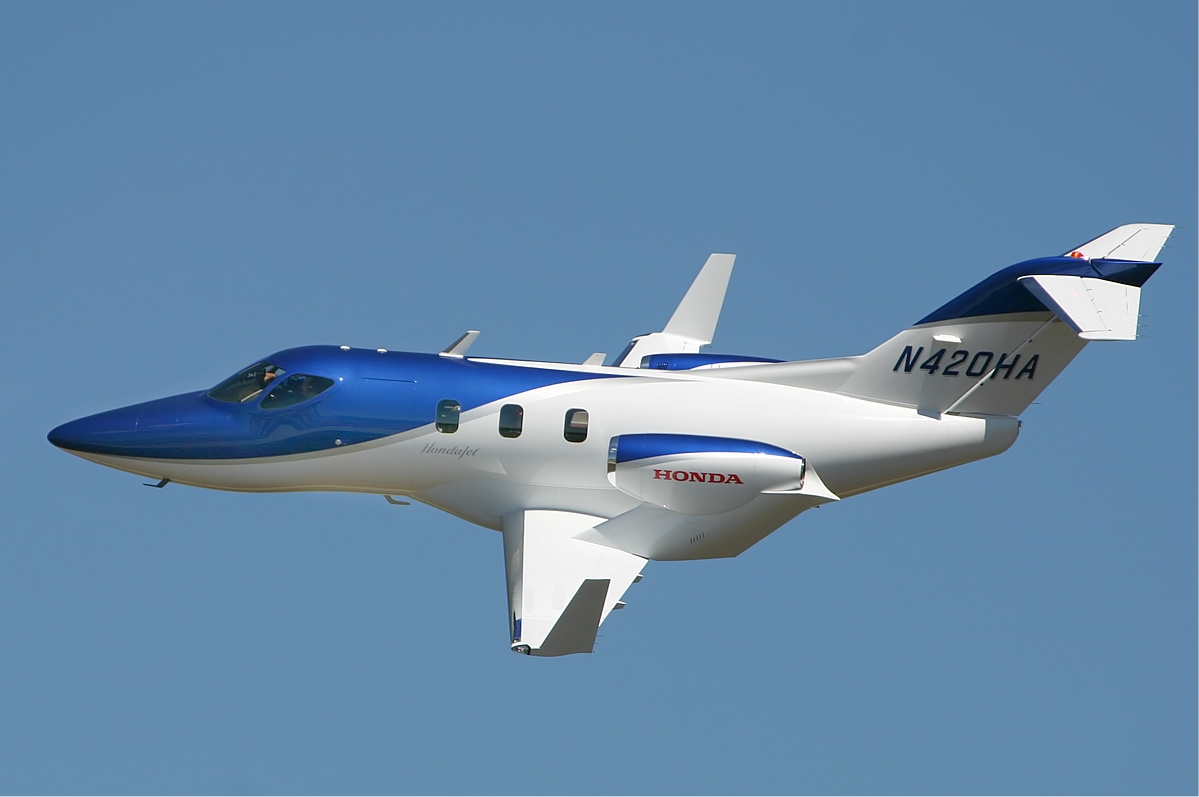
HondaJet
Over-the-wing engine mounts free up cabin volume. The Elite II variant extended range to 1,547 nm.
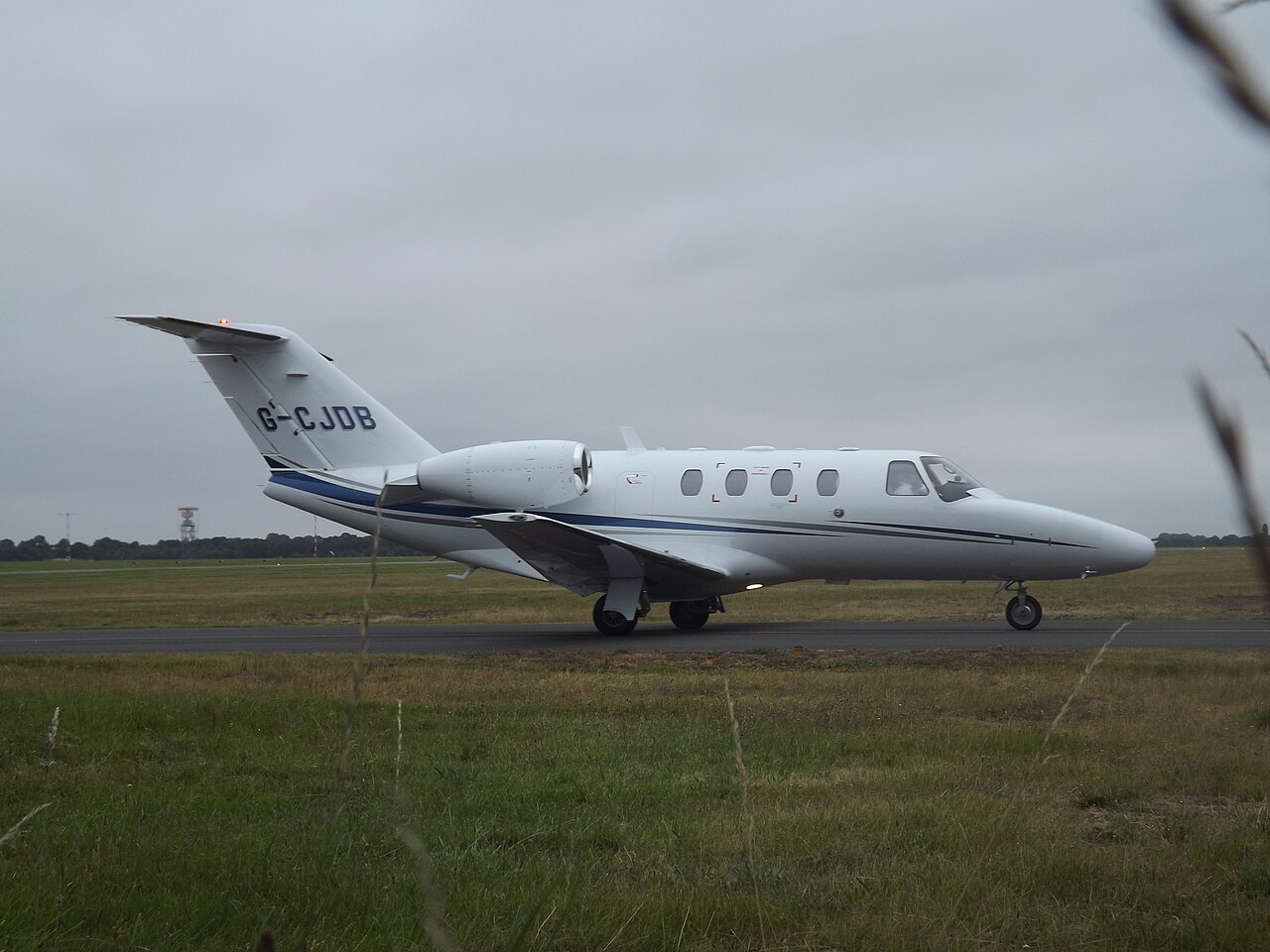
Cessna Citation CJ1

Embraer Phenom 100
The most-produced VLJ in the world and the model that proved the category was commercially viable.
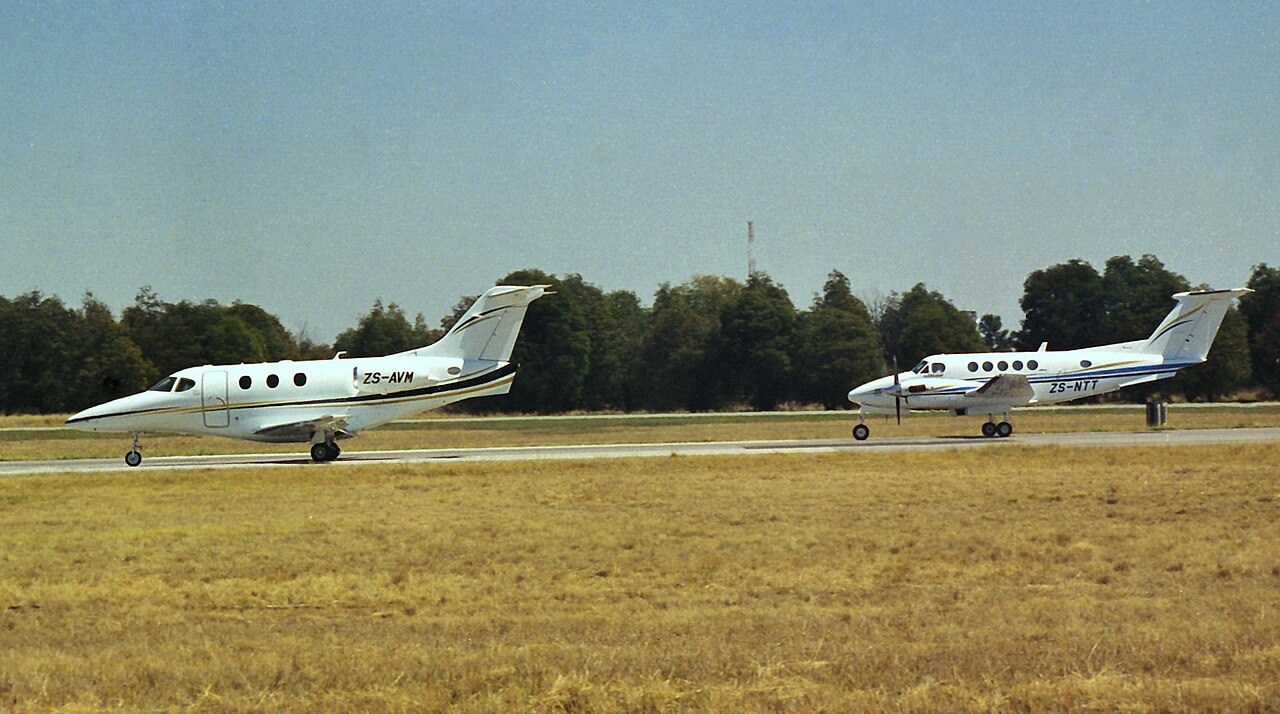
Beech Premier I
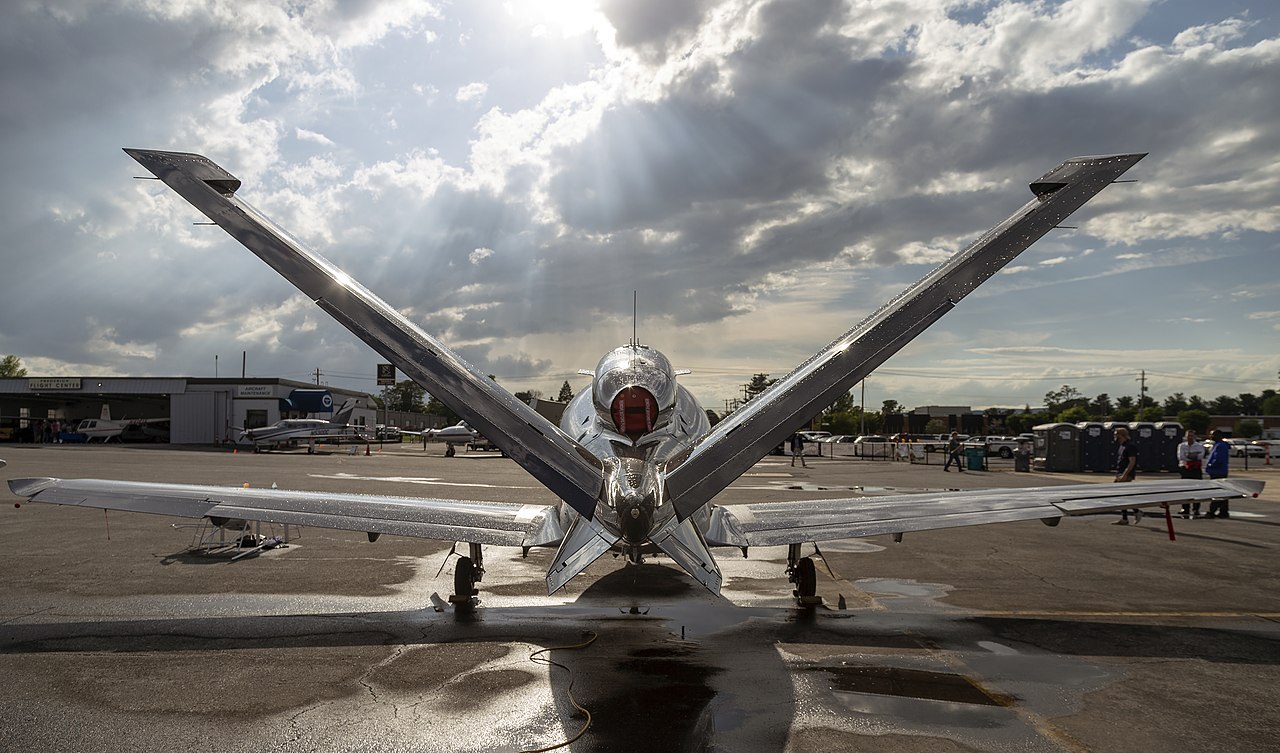
Cirrus Vision Jet
Single-engine, owner-flown, V-tail. The only jet in this category designed from scratch for pilot-owners.

Cessna Citation Mustang
Out of production but still defining. The Mustang set the template for what a VLJ should be.
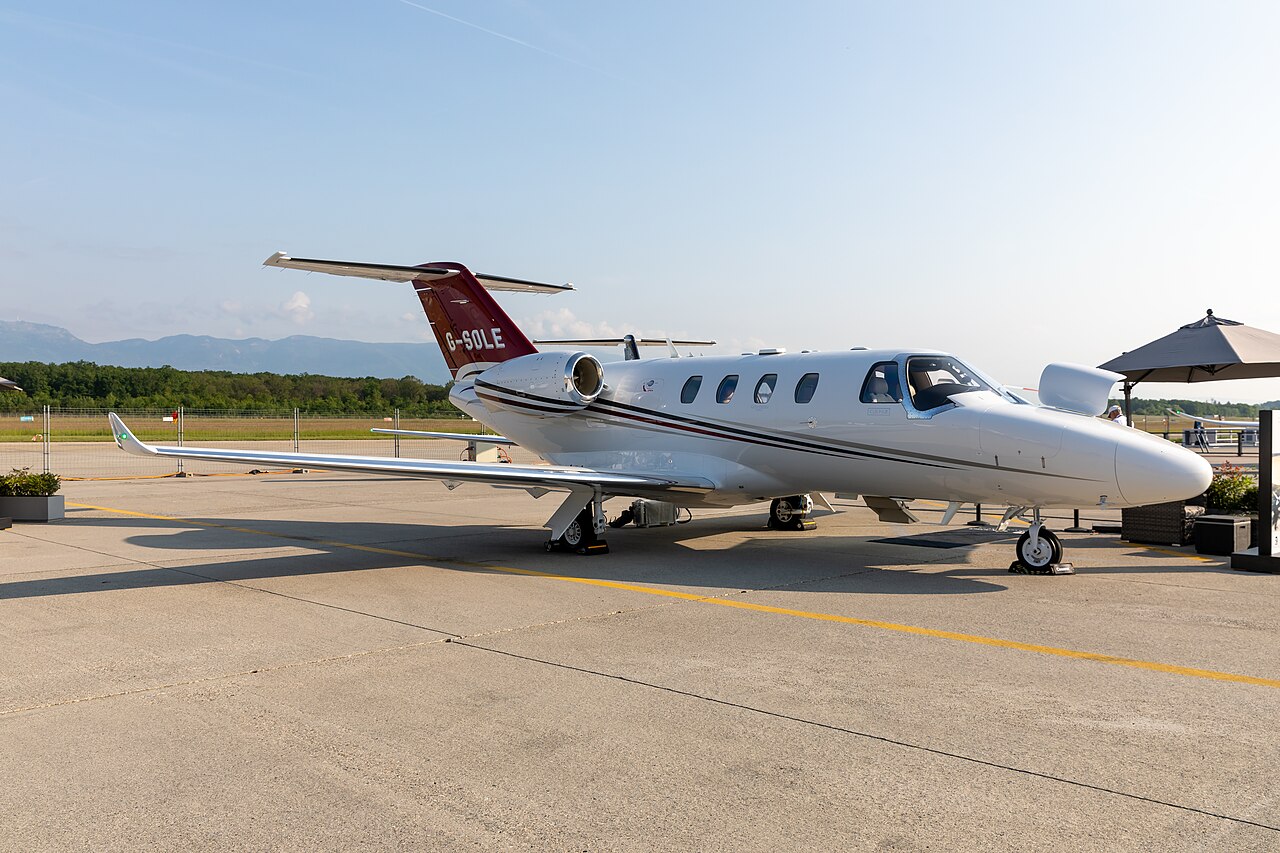
Cessna Citation M2
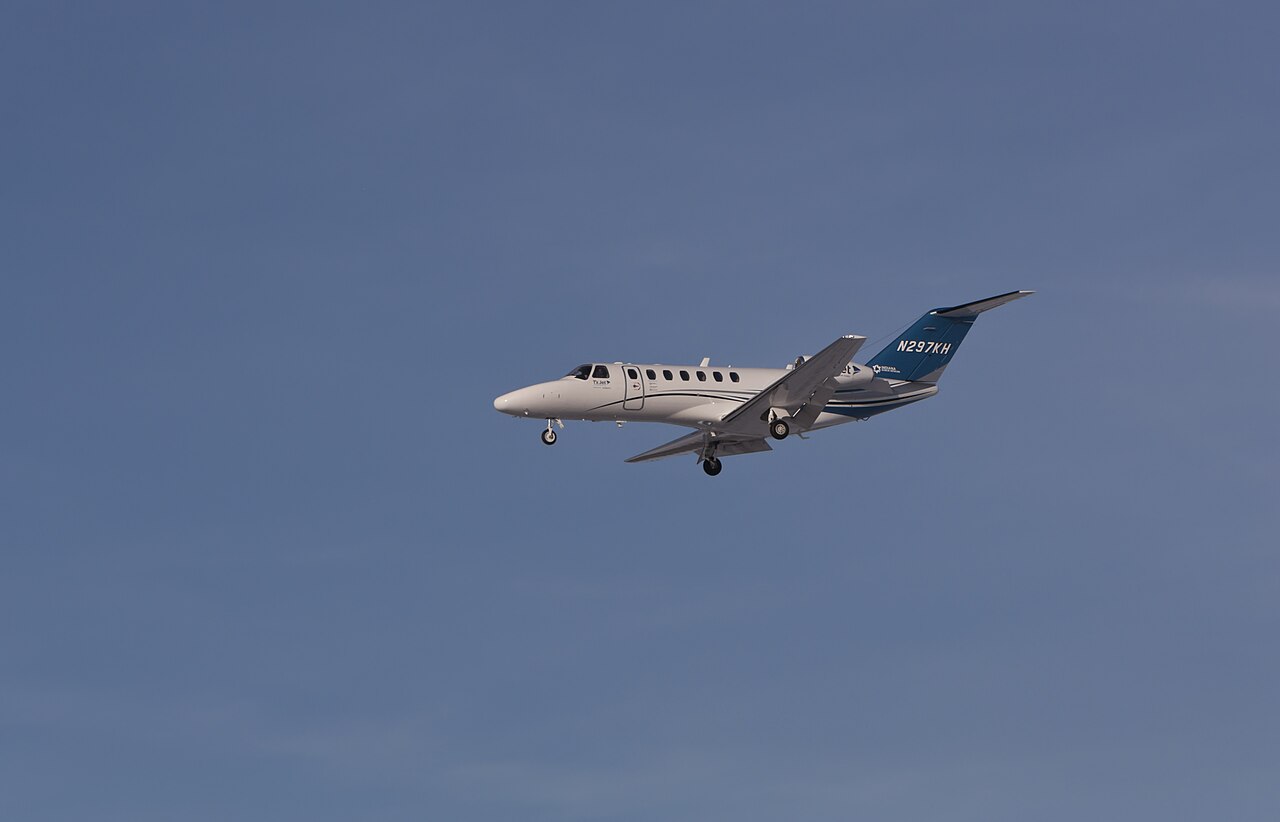
Cessna Citation I
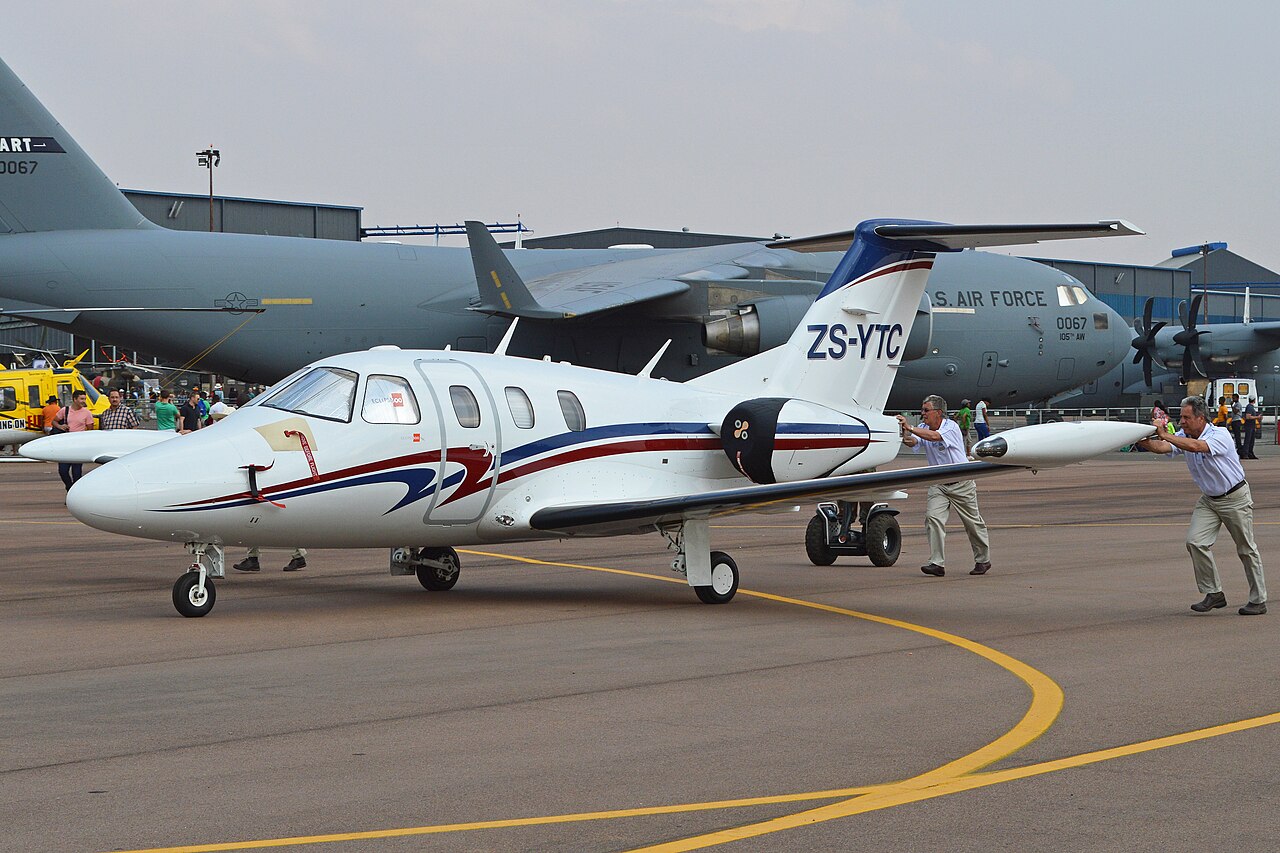
Eclipse 500
The original VLJ concept. Twin-engine, lightweight, built to prove that very light jets were viable.
Routes Commonly Flown on Very Light Jets
A very light jet route typically stays under 1,300 nm, connecting major metros to business or leisure destinations. These routes are drawn from our route directory.
Sample Aircraft from the Registry
167 very light jet aircraft in the FAA registry. Below is a sample. Each links to the full tail-number page with specs, ownership, and history.
How Very Light Jets Compare
Very Light Jets sit between Turboprops and Light Jets. Most buyers in this zone are deciding based on mission profile, not preference.
| Spec | Turboprop | Very Light Jet | Light Jet |
|---|---|---|---|
| Typical pax | 6–9 | 4–6 | 6–8 |
| Range (nm) | 1,000–1,500 | 1,000–1,400 | 1,500–2,000 |
| Cruise (kt) | 280–330 | 380–420 | 420–460 |
| Hourly charter | $1,800–$2,800 | $2,800–$4,200 | $3,800–$5,500 |
| Best for | Short legs, unimproved fields | Short legs, jet speed, owner-flown | Most regional missions, more cabin |
A turboprop is the better choice when the mission involves very short fields, unpaved strips, or when the lowest possible hourly cost matters more than speed. Turboprops burn less fuel per mile and access airports that jets cannot reach.
A light jet makes more sense when range exceeds 1,200 nm, when carrying more than 5 passengers, or when an enclosed lavatory matters. Light jets also offer wider cabins and higher cruise speeds for longer domestic legs.
All 9 Models — Specs Comparison
Click any model for full specs, fleet registry, and FAQ.
| Model | Speed | Range | Pax | Registered |
|---|---|---|---|---|
| HondaJet | 422 kts | 1,223 NM | 6 | 33 |
| Cessna Citation CJ1 | 389 kts | 1,300 NM | 6 | 28 |
| Embraer Phenom 100 | 390 kts | 1,178 NM | 6 | 22 |
| Beech Premier I | 450 kts | 1,500 NM | 6 | 20 |
| Cirrus Vision Jet | 311 kts | 1,200 NM | 5 | 19 |
| Cessna Citation Mustang | 340 kts | 1,150 NM | 5 | 17 |
| Cessna Citation M2 | 404 kts | 1,550 NM | 7 | 12 |
| Cessna Citation I | 350 kts | 1,200 NM | 6 | 10 |
| Eclipse 500 | 370 kts | 1,125 NM | 4 | 6 |
Frequently Asked Questions About Very Light Jets
12 questions answered about very light jet aircraft
Very light jets seat 4–6 passengers and are ideal for short regional flights under 1,500 NM. Lower operating costs and the ability to access shorter runways make VLJs the most accessible entry point into private aviation.
Most very light jet aircraft seat 4–7 passengers, depending on the specific model and cabin configuration.
Range spans 1,125 to 1,550 nautical miles across the 9 models in this category.
Charter rates range from $2,800 to $4,200 per flight hour. The rate includes crew, fuel, positioning, and operator overhead. Request a charter quote.
Annual fixed costs range from $350K to $700K, covering hangar, insurance, crew, and maintenance reserves. Hourly operating cost adds $1,800–$2,800 per flight hour. Explore acquisitions.
The Beech Premier I at 450 knots cruise. View specs.
The Cessna Citation M2 at 1,550 nm. View specs.
The HondaJet has the most FAA-registered aircraft in this category with 33 active registrations. View the fleet.
Single-pilot certification varies by model. In this category, several models hold single-pilot type certificates, reducing crew costs for owner-operators.
Most very light jet aircraft require 2,500–4,000 feet for takeoff at typical weights.
Lowest operating cost of any jet. Access to smaller airports with shorter runways. Single-pilot certified for reduced crew costs. Fast boarding — minimal preflight time.
Limited baggage capacity. Shorter range restricts to regional missions. Smaller cabins not ideal for more than 4 passengers. No enclosed lavatory on most models Request a charter quote.
Find the Right Very Light Jet for Your Mission
Whether you are looking to charter, acquire, or sell a very light jet — our aviation advisors can match you with the right aircraft. Access to more than 15,000 aircraft worldwide.