
Turboprops Overview
Turboprops combine efficiency with unmatched airport access. Capable of operating from unpaved strips, short runways, and remote airfields that jets cannot reach, they are essential tools for regional operations, cargo missions, and accessing destinations off the beaten path.
The Jet Finder's aircraft directory currently tracks 17 turboprop models with a combined 362 registered aircraft in the FAA Aircraft Registry. Cruise speeds across this category range from 174 to 366 knots, with ranges spanning 700 to 1,845 nautical miles.
Typical charter rates for turboprop aircraft range from $1,800–$3,500/hr per flight hour. Short-haul regional flights (under 1,000 NM), accessing unimproved or short runways, scenic island-hopping, cargo operations, aerial survey and special missions.
Typical Missions
Island-hopping in the Caribbean, mountain airstrips, Alaska bush operations, regional cargo. Whether you are evaluating a charter flight or considering an acquisition, understanding the performance envelope of the turboprop category is essential for matching the right aircraft to your mission profile.
Who Flies Turboprops and Why
The Short-Field Operator
Pilots and operators accessing mountain strips, island runways, and unimproved fields that jets cannot reach. Turboprops operate from runways under 3,000 ft, gravel surfaces, and remote airfields across Alaska, the Caribbean, and Africa.
The Regional Commuter
Business travelers flying legs under 500 nm where jet speed offers minimal time savings. A turboprop covers New York to D.C. or Dallas to Houston at half the hourly cost of a light jet. The math favors turboprops on short legs.
The Cargo and Special Mission Operator
King Airs and Caravans haul freight, medical patients, survey equipment, and law enforcement teams. Turboprops are the backbone of Part 135 cargo operations and air ambulance services nationwide.
Need more range or passengers? See the next category.
Performance and Mission Profile
Turboprops cruise at 174–366 knots with ranges of 700–1,845 nm. Service ceilings typically reach FL410–FL450. The table below shows how these numbers translate to real missions.
| Mission | Example City Pair | Feasibility |
|---|---|---|
| Island hop | Miami → Bahamas | Comfortable nonstop |
| Mountain access | Denver → Aspen | Short-field capable |
| Regional shuttle | Dallas → Houston | Nonstop, 45 min |
| Long regional | New York → Chicago | Nonstop but slow (2.5 hrs) |
Cost to Operate and to Charter
Operating cost is what an owner pays per flight hour to fly the aircraft: fuel, maintenance reserves, crew prorate. Charter rate is what a charter client pays for the aircraft on a specific trip, including the operator's overhead, profit, and positioning.
| Cost Line | Low | Typical | High |
|---|---|---|---|
| Hourly operating cost | $1,200 | $1,800 | $2,500 |
| Hourly charter rate | $1,800 | $2,500 | $3,500 |
| Annual fixed cost (owner) | $250K | $400K | $600K |
Charter rates exceed operating costs because they include positioning flights, crew scheduling, insurance, and the 7.5% Federal Excise Tax (FET) on domestic charters. Prospective aircraft buyers should budget annual fixed costs separately from per-hour operating costs.
Browse 17 Turboprops Models
Each model page includes detailed specifications, performance data, and a complete fleet registry linking to individual tail number pages with FAA registration data.
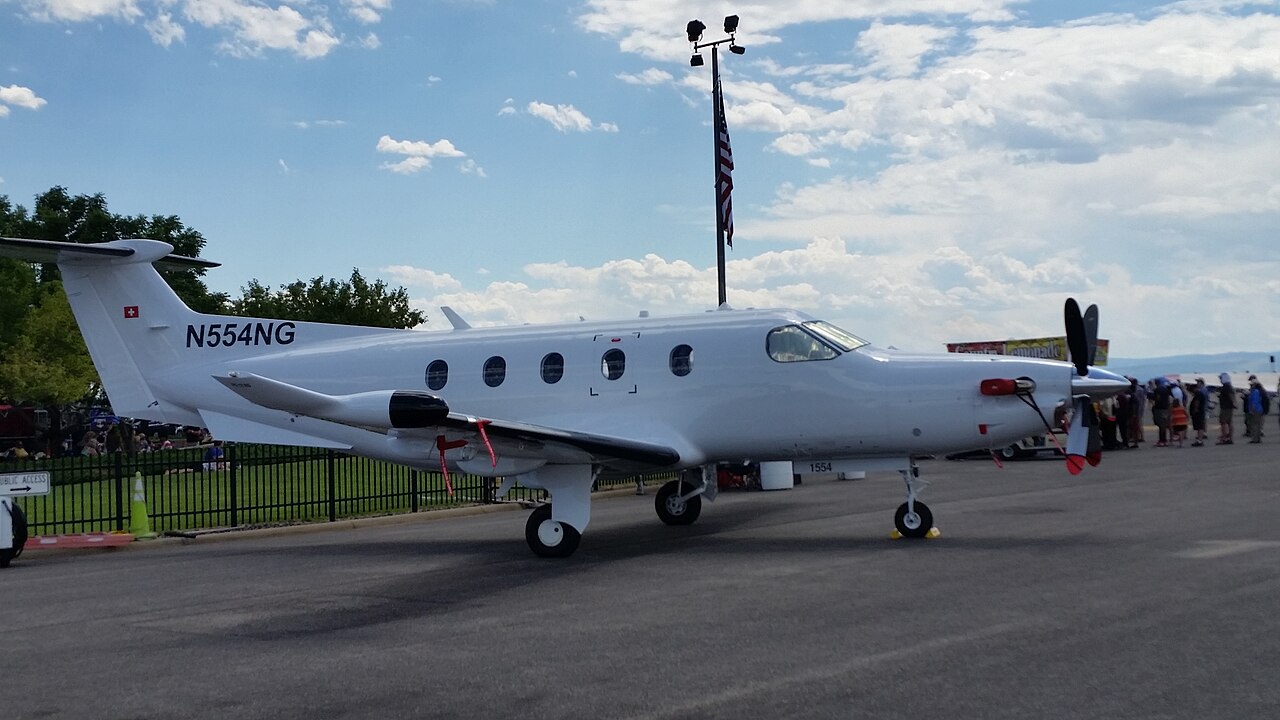
Pilatus PC-12
Single-engine versatility. The PC-12 accesses strips that twin-engine aircraft cannot, with a 1,800 nm range.
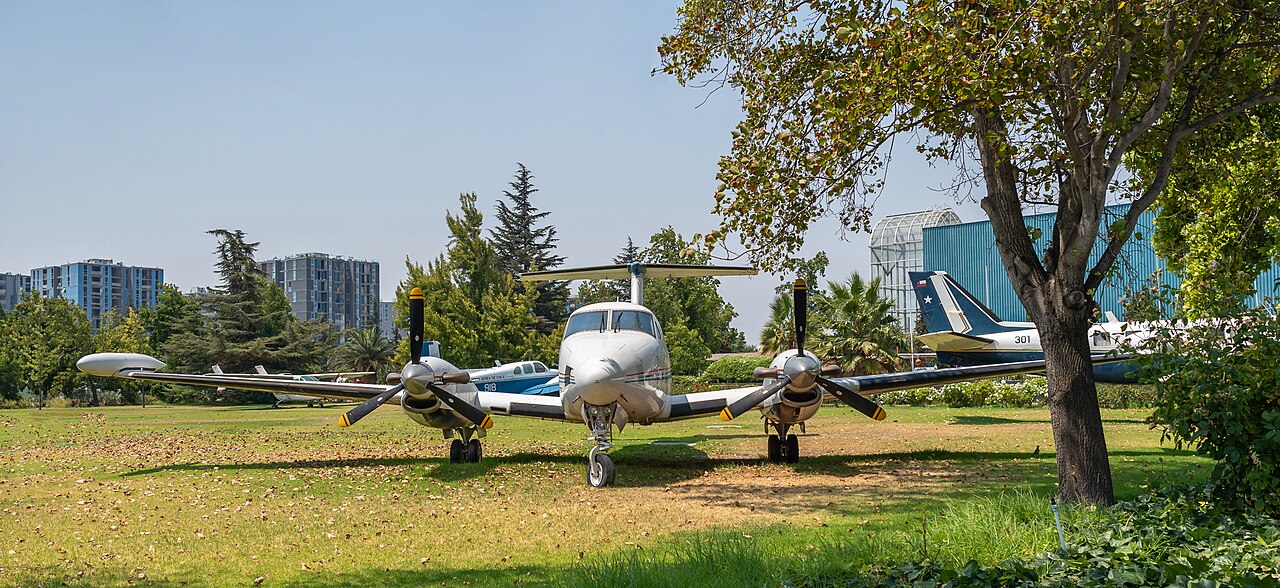
King Air 200

King Air 350
The twin-turboprop benchmark. Pressurized cabin, 1,800 nm range, and the most recognizable profile in the category.
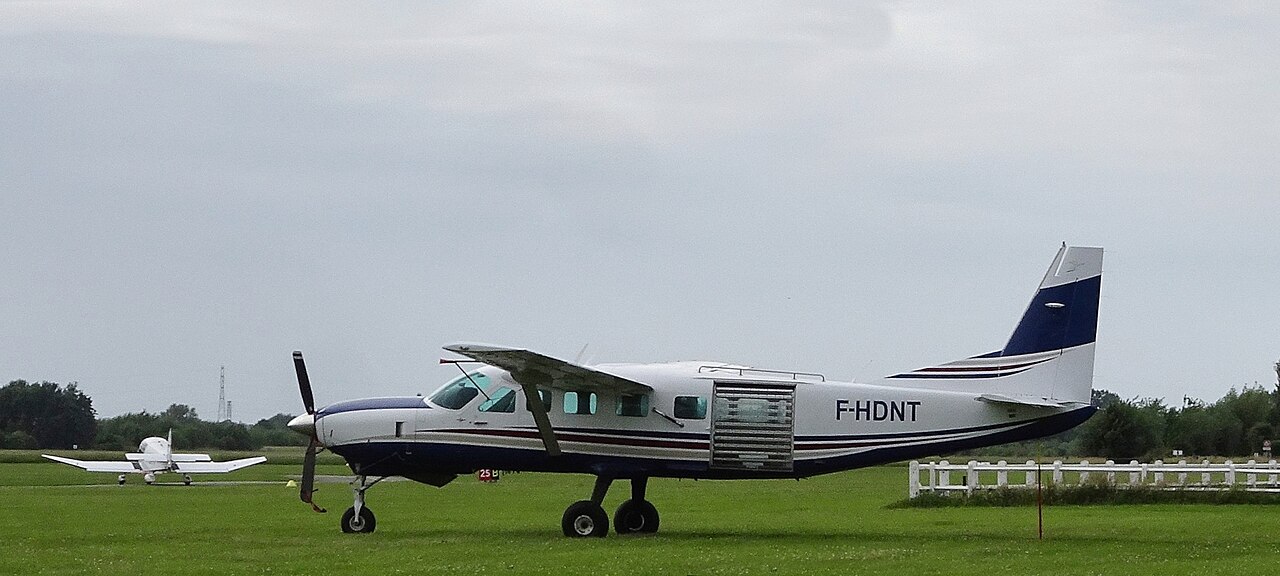
Cessna Caravan 208B
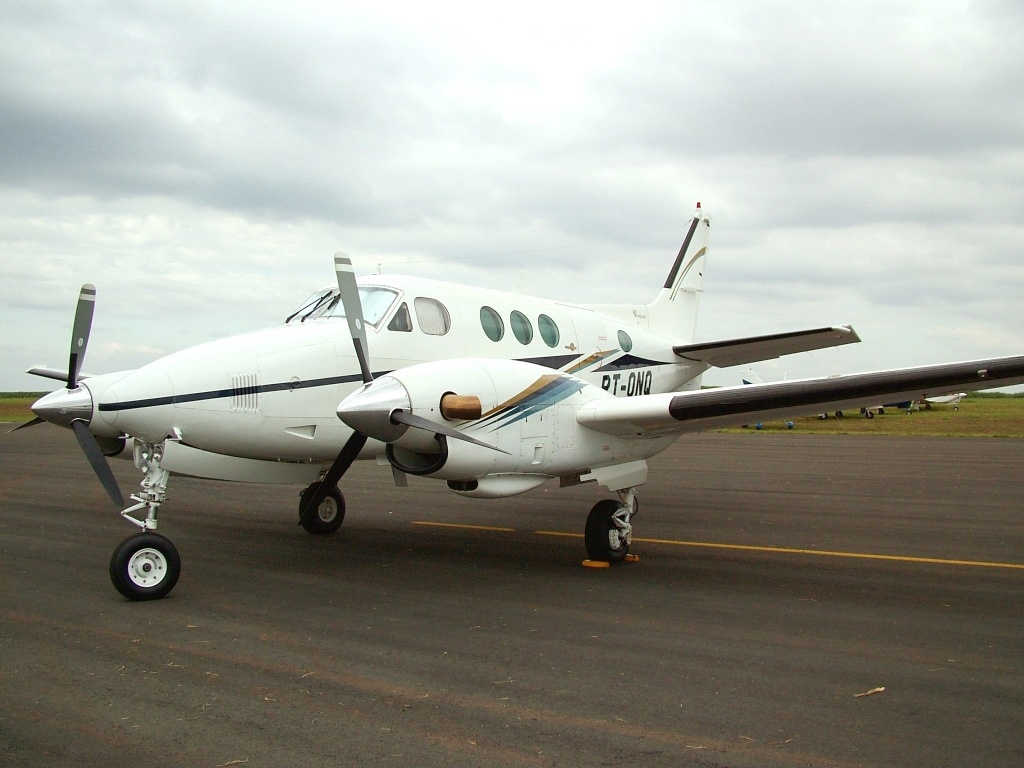
King Air C90

King Air 300
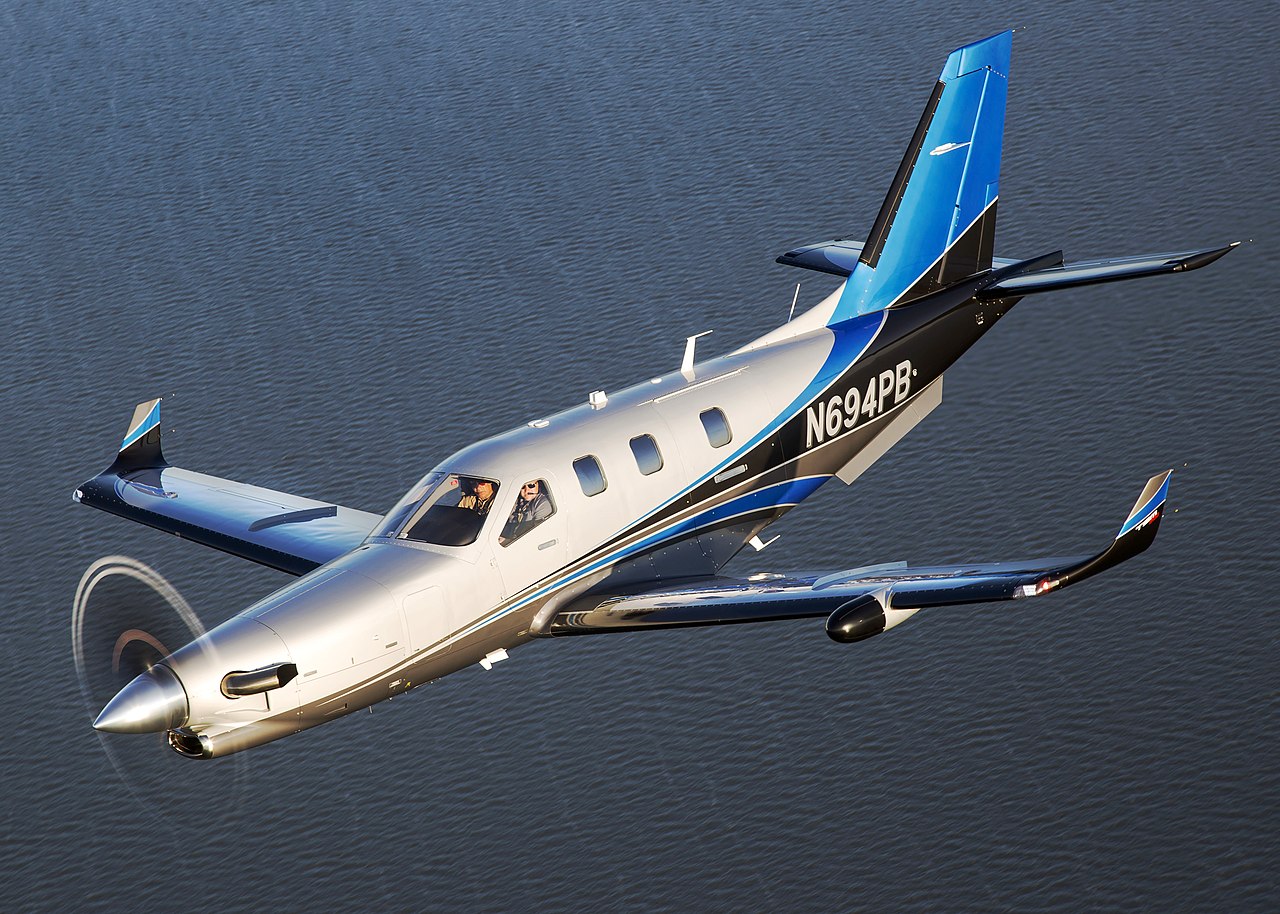
Daher TBM 700

Piaggio Avanti
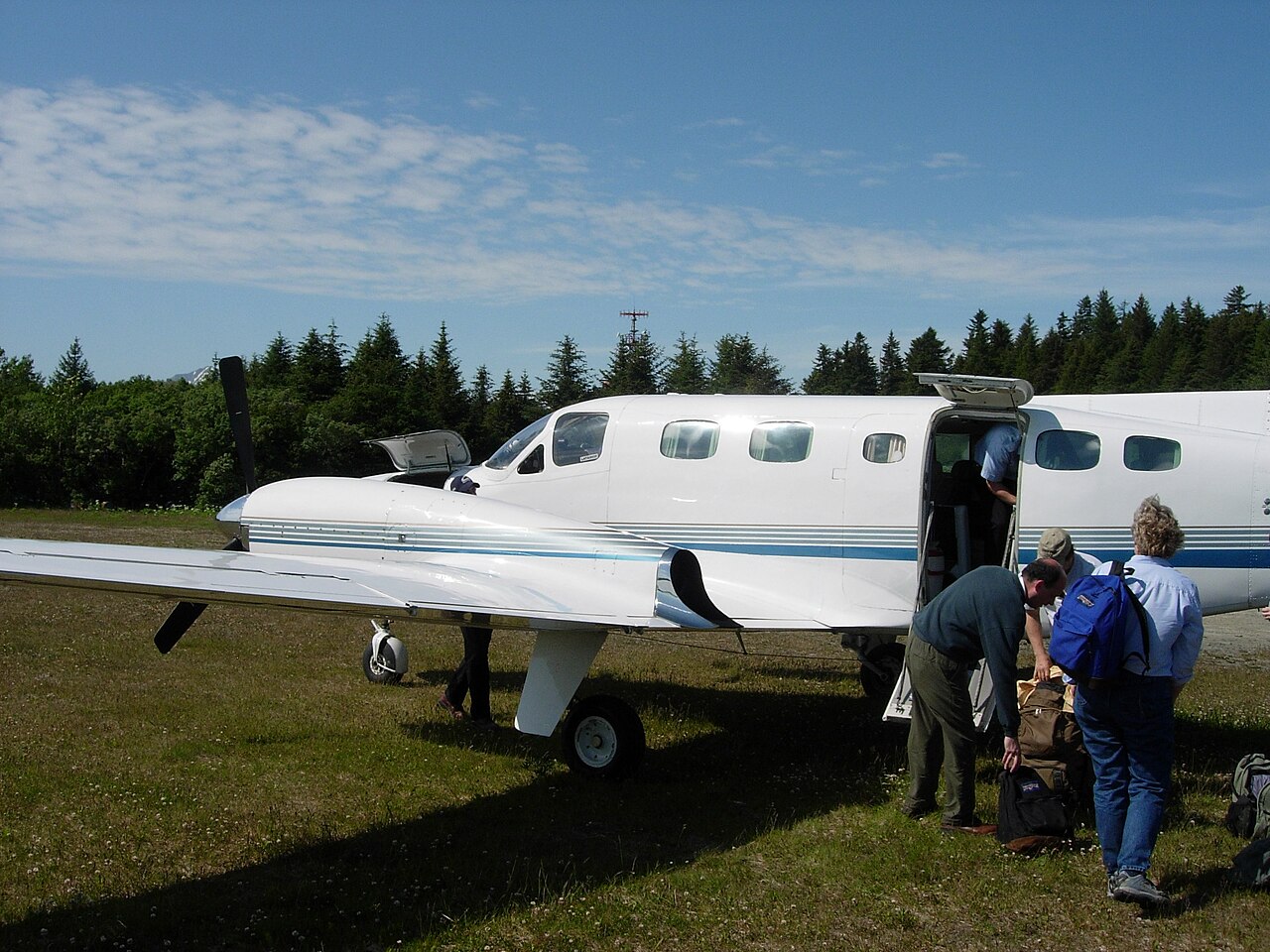
Cessna Conquest II
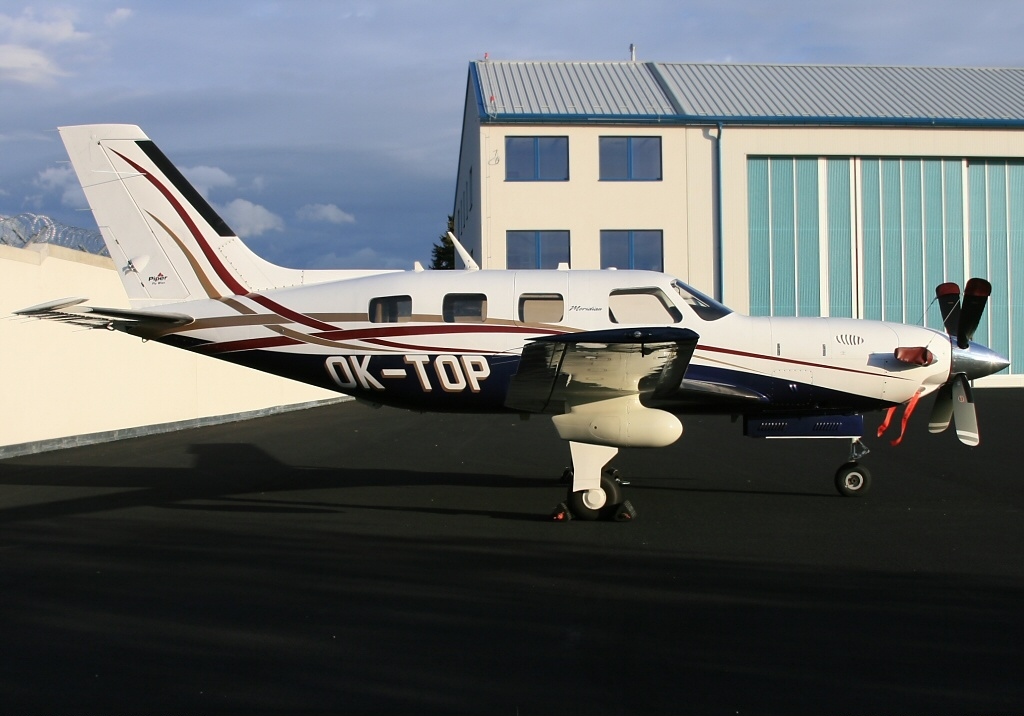
Piper Meridian
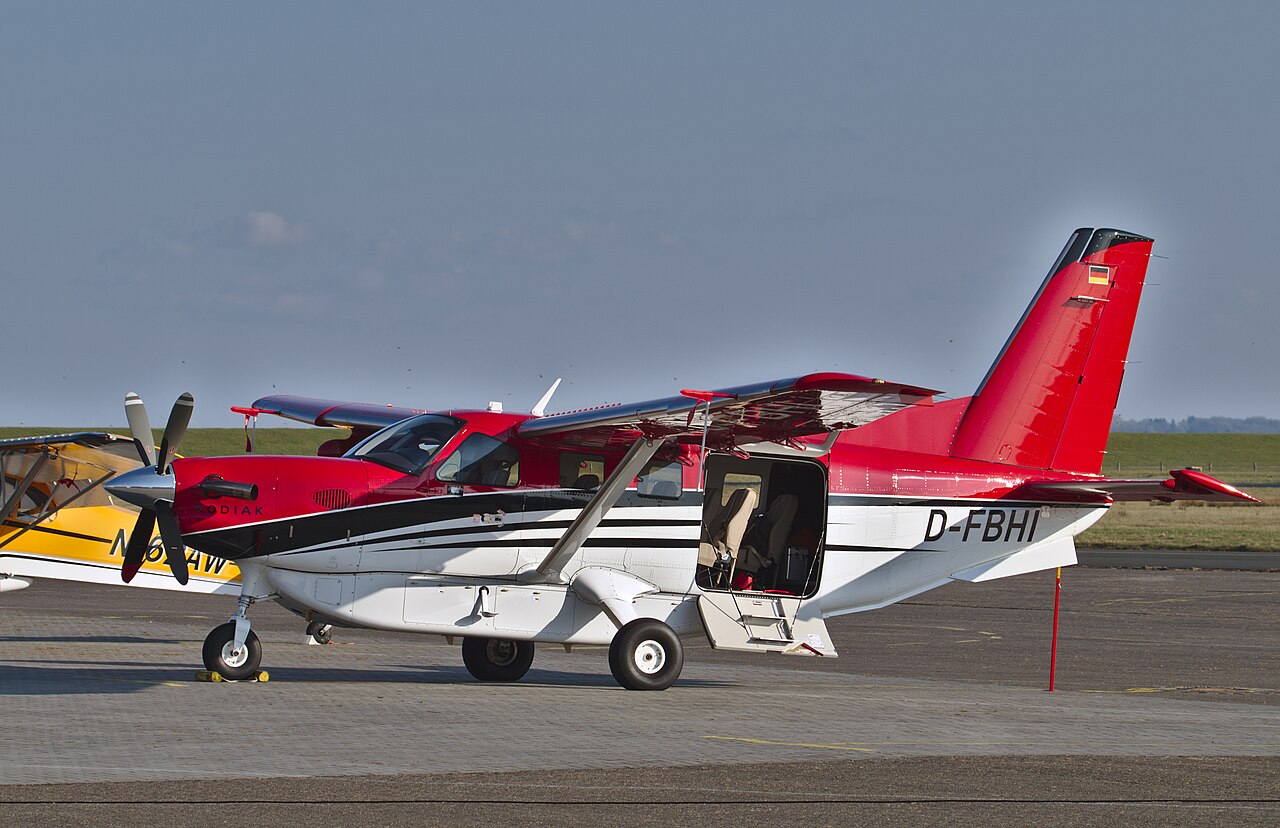
Daher Kodiak
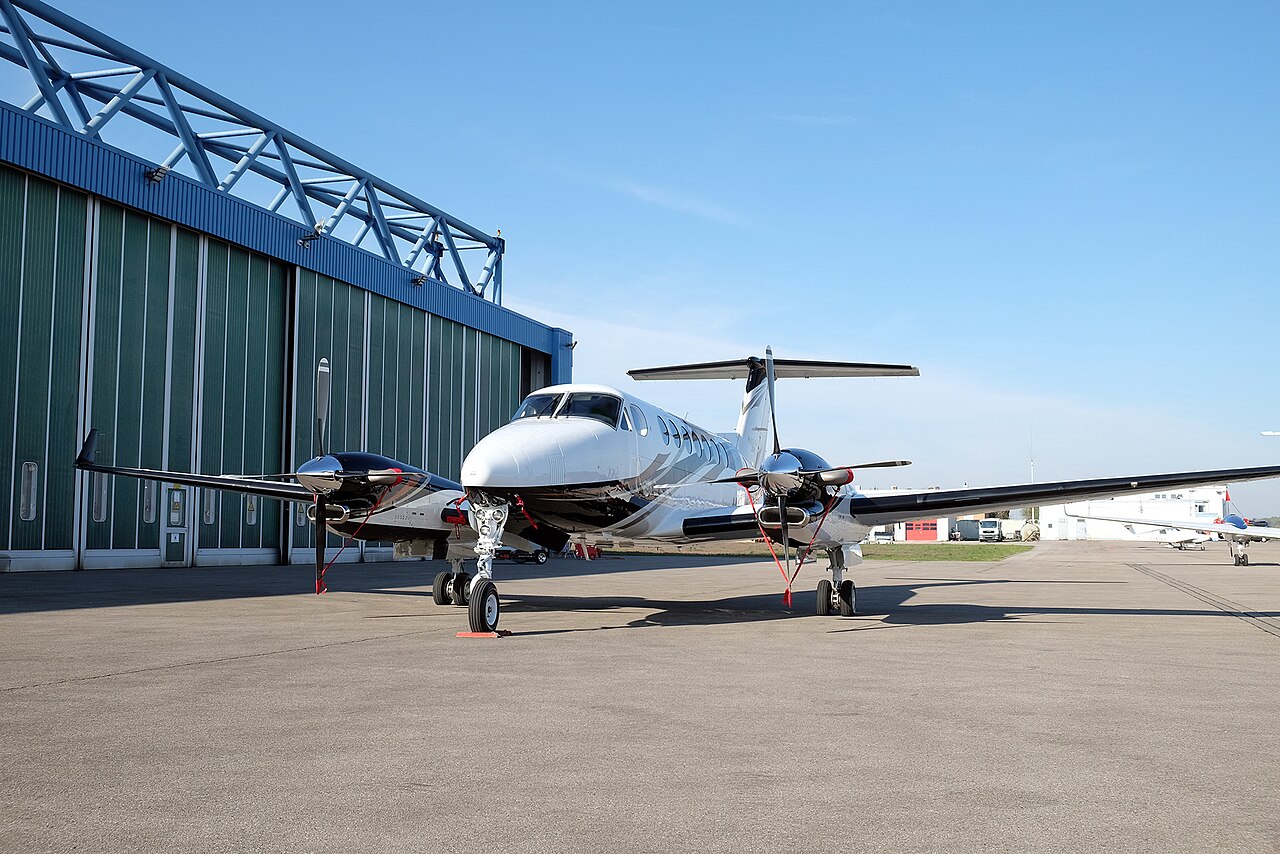
King Air 360
Showing top 12 of 17 models. See the full comparison table below.
Routes Commonly Flown on Turboprops
A turboprop route typically stays under 1,200 nm, connecting major metros to business or leisure destinations. These routes are drawn from our route directory.
Sample Aircraft from the Registry
362 turboprop aircraft in the FAA registry. Below is a sample. Each links to the full tail-number page with specs, ownership, and history.
How Turboprops Compare
Turboprops sit between smaller aircraft and Very Light Jets. Most buyers in this zone are deciding based on mission profile, not preference.
| Spec | Turboprop | Very Light Jet |
|---|---|---|
| Typical pax | 6–9 | 4–6 |
| Range (nm) | 1,000–1,500 | 1,000–1,400 |
| Cruise (kt) | 280–330 | 380–420 |
| Hourly charter | $1,800–$3,500 | $2,800–$4,200 |
| Best for | Short fields, lowest cost, cargo | Short legs, jet speed, owner-flown |
There is no category below turboprops in the jet/turbine world. Piston aircraft cost less per hour but lack pressurized cabins, speed, and the payload capacity that turboprops deliver.
A very light jet makes sense when speed matters more than runway access. VLJs cruise 100+ knots faster than turboprops and reach FL410. If the airports support it, a VLJ compresses the schedule.
All 17 Models — Specs Comparison
Click any model for full specs, fleet registry, and FAQ.
| Model | Speed | Range | Pax | Registered |
|---|---|---|---|---|
| Pilatus PC-12 | 285 kts | 1,845 NM | 9 | 157 |
| King Air 200 | 289 kts | 1,580 NM | 9 | 61 |
| King Air 350 | 312 kts | 1,806 NM | 11 | 36 |
| Cessna Caravan 208B | 186 kts | 1,070 NM | 14 | 31 |
| King Air C90 | 226 kts | 1,260 NM | 7 | 27 |
| King Air 300 | 312 kts | 1,750 NM | 9 | 10 |
| Daher TBM 700 | 282 kts | 1,370 NM | 6 | 8 |
| Piaggio Avanti | 366 kts | 1,470 NM | 9 | 7 |
| Cessna Conquest II | 280 kts | 1,530 NM | 8 | 5 |
| Piper Meridian | 260 kts | 1,000 NM | 5 | 4 |
| Daher Kodiak | 174 kts | 1,005 NM | 9 | 3 |
| King Air 360 | 312 kts | 1,806 NM | 11 | 3 |
| King Air E90 | 260 kts | 1,200 NM | 7 | 3 |
| Dornier 328 | 335 kts | 970 NM | 32 | 3 |
| King Air A100 | 270 kts | 1,300 NM | 8 | 2 |
| Beech 1900 | 280 kts | 700 NM | 19 | 1 |
| British Aerospace Jetstream 31 | 264 kts | 765 NM | 19 | 1 |
Frequently Asked Questions About Turboprops
12 questions answered about turboprop aircraft
Turboprops combine efficiency with unmatched airport access. Capable of operating from unpaved strips, short runways, and remote airfields that jets cannot reach, they are essential tools for regional operations, cargo missions, and accessing destinations off the beaten path.
Most turboprop aircraft seat 5–32 passengers, depending on the specific model and cabin configuration.
Range spans 700 to 1,845 nautical miles across the 17 models in this category.
Charter rates range from $1,800 to $3,500 per flight hour. The rate includes crew, fuel, positioning, and operator overhead. Request a charter quote.
Annual fixed costs range from $250K to $600K, covering hangar, insurance, crew, and maintenance reserves. Hourly operating cost adds $1,200–$2,500 per flight hour. Explore acquisitions.
The Piaggio Avanti at 366 knots cruise. View specs.
The Pilatus PC-12 at 1,845 nm. View specs.
The Pilatus PC-12 has the most FAA-registered aircraft in this category with 157 active registrations. View the fleet.
Single-pilot certification varies by model. In this category, several models hold single-pilot type certificates, reducing crew costs for owner-operators.
Most turboprop aircraft require 2,500–4,000 feet for takeoff at typical weights.
Lowest fuel burn per mile. Access to shortest and unimproved runways. Robust and reliable powerplants. Lower insurance and maintenance costs.
Slower cruise speeds than jets (250–350 kts). Cabin noise higher than jets. Not suited for missions over 1,500 NM. Perception as "less prestigious" than jets Request a charter quote.
Find the Right Turboprop for Your Mission
Whether you are looking to charter, acquire, or sell a turboprop — our aviation advisors can match you with the right aircraft. Access to more than 15,000 aircraft worldwide.