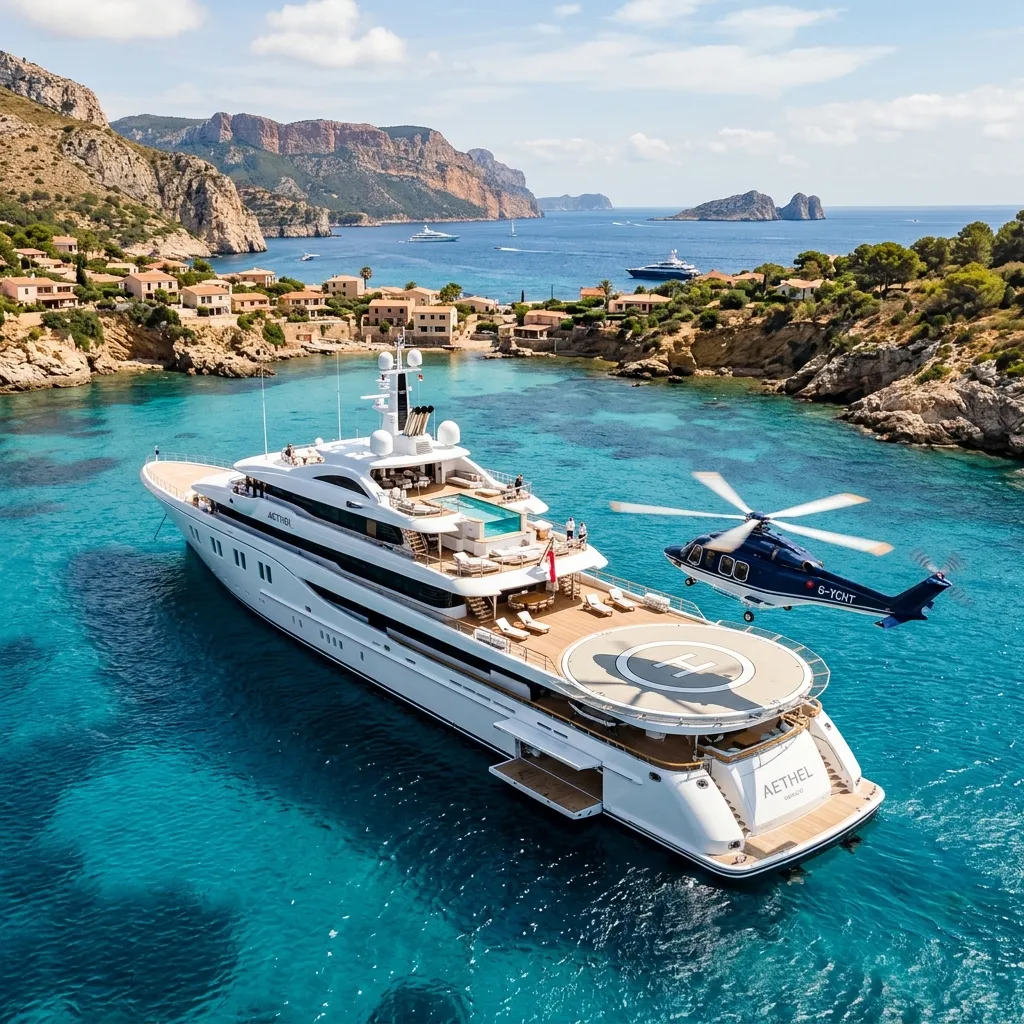
Helicopter approaching a superyacht helipad in the Mediterranean with turquoise water below

Private Jet to a Yacht: How the Transfer Actually Works

The Instagram version: step off a jet, step onto a yacht. The real version: clear customs, transfer to a helicopter or car, ride to the marina, tender to the vessel, and board while the crew positions your luggage separately. Here is how each step works.

In This Article

The Transfer Chain: Five Steps Nobody Photographs Helicopter Transfers: When and Where They Work The Mediterranean Corridor: Nice, Cannes, and Monaco Caribbean Transfer Logistics: Island-Specific Realities What Goes Wrong: Common Transfer Failures Frequently Asked Questions

The Transfer Chain: Five Steps Nobody Photographs

A private jet-to-yacht transfer involves five sequential steps, each with its own logistics and failure points. The total elapsed time from touching down at the airport to stepping aboard the yacht is typically 60-120 minutes, depending on the transfer method, customs requirements, and whether the yacht is at anchor or in a marina berth.

Step 1: Land and Clear Customs

If arriving internationally, customs clearance at the FBO takes 15-45 minutes depending on the country, crew preparation, and passenger volume. At Nice Cote d'Azur (NCE) during Cannes Film Festival or Monaco Grand Prix, customs processing slows because the FBO is handling 3x normal traffic. At smaller Caribbean airports like St. Maarten (SXM) or St. Barths (SBH), customs is faster but facilities are limited.

Step 2: Transfer to Marina or Heliport

Three options: helicopter, car, or direct marina access. Helicopter is fastest (8-15 minutes from NCE to Monaco heliport). Car is most common (40-60 minutes from NCE to Port Hercule in Monaco, depending on traffic along the Moyenne Corniche). Direct marina access is possible at a few airports where the yacht can berth adjacent to the airfield.

Step 3: Marina to Vessel

If the yacht is in a marina berth, you walk the dock. If the yacht is at anchor in a bay, a tender (small boat) transfers passengers from the marina or beach to the vessel. Tender transfers take 5-20 minutes depending on distance and sea conditions. In rough weather, tender transfers can be delayed or cancelled entirely.

Step 4: Luggage Handling

Luggage travels separately from passengers in most transfers. The yacht crew or a concierge service collects bags from the FBO, transports them by van to the marina, and transfers them to the yacht via tender or dock cart. This process runs parallel to the passenger transfer but often takes longer, meaning luggage may arrive 30-60 minutes after passengers board.

Step 5: Yacht Crew Welcome and Briefing

The yacht captain conducts a safety briefing and the chief stewardess provides a vessel orientation. This takes 10-15 minutes and is required by maritime safety regulations. Then the cruise begins.

Helicopter Transfers: When and Where They Work

Helicopter transfers from the airport to the yacht are the fastest option but come with constraints. The primary Mediterranean helicopter corridor runs from Nice airport to Monaco's heliport (7 minutes, operated by Monacair and Heli Air Monaco). From the Monaco heliport, a car or walking transfer to Port Hercule takes 5-10 minutes.

Direct helicopter-to-yacht-helipad transfers are available only on superyachts over approximately 60 meters (200 feet) that are equipped with certified helideck facilities. The yacht's captain must provide helideck dimensions, fuel availability, and fire suppression certification to the helicopter operator before the flight. Vessels without a helipad cannot receive helicopter passengers directly; the helicopter lands at the nearest shore helipad or airport.

Helicopter transfers in the Caribbean are less structured than the Mediterranean. In the BVI, St. Barths, and the Grenadines, helicopter availability is limited and often requires booking 48-72 hours in advance. During charter season (December through April), all available helicopters may be committed. Build a car or boat backup plan even if you intend to fly.

The Mediterranean Corridor: Nice, Cannes, and Monaco

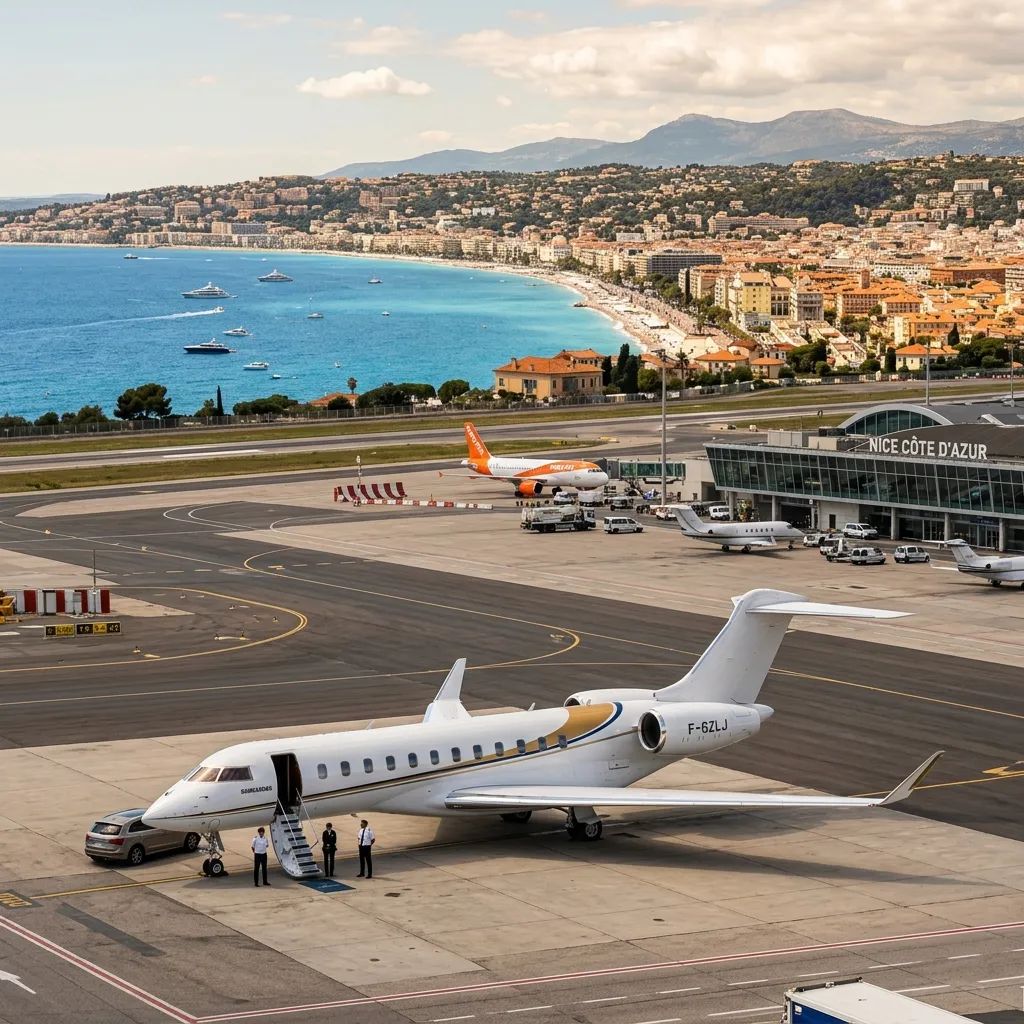
The Cote d'Azur is the world's most active jet-to-yacht transfer region. Nice Cote d'Azur Airport (NCE) handles 90% of the private jet traffic feeding the Monaco, Cannes, Antibes, and Saint-Tropez yacht corridors. Two FBOs at NCE handle private aviation: TAG Aviation and Signature Flight Support.

From NCE, ground transfers follow predictable corridors:

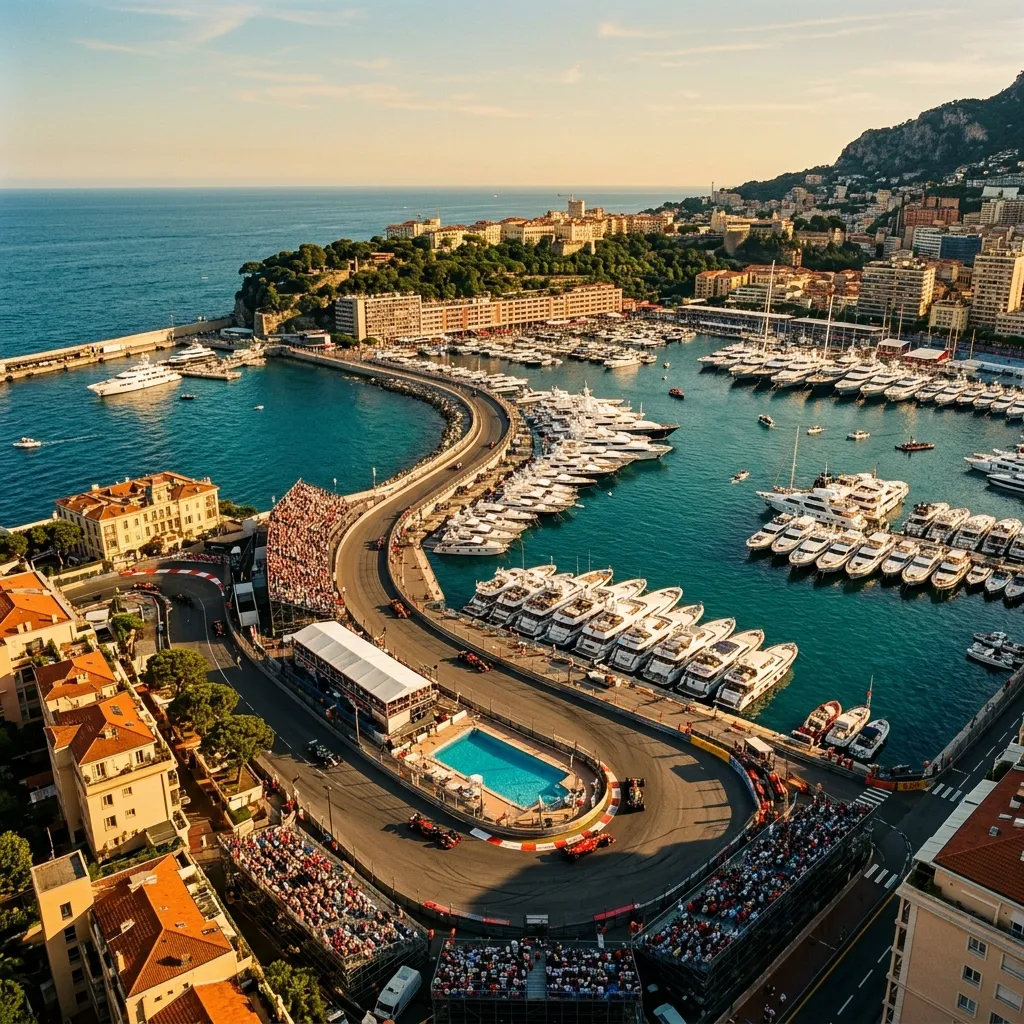
  • Monaco (Port Hercule): 40-60 min by car via A8/Moyenne Corniche, or 7 min by Monacair helicopter
  • Cannes (Port Canto / Old Port): 25-35 min by car via A8
  • Antibes (Port Vauban): 15-20 min by car
  • Saint-Tropez (Port de Saint-Tropez): 90-120 min by car, or 25 min by helicopter
  • Golfe-Juan / Juan-les-Pins: 15 min by car

Saint-Tropez is the outlier. The drive from Nice to Saint-Tropez takes nearly two hours on the coastal road, which is single-lane and congested throughout the summer. Helicopter transfer is strongly recommended for Saint-Tropez-bound passengers. La Mole airport (LFTZ), 15 minutes from Saint-Tropez, accepts light jets and turboprops but has a 1,538-meter (5,046-foot) runway that restricts midsize and larger aircraft.

Need a Charter Quote?

Contact our team for a personalized quote.

Get a Quote

Caribbean Transfer Logistics: Island-Specific Realities

Caribbean yacht charter transfers are less streamlined than the Mediterranean because infrastructure varies dramatically by island. Some islands have international airports with full FBO services and direct marina access. Others have grass strips and no ground transportation beyond a taxi.

Best-Case Transfers

St. Maarten (SXM) is the most efficient Caribbean jet-to-yacht hub. The airport handles heavy jets, has an FBO (Signature Flight Support), clears customs in 20-30 minutes, and sits 10 minutes from Simpson Bay Marina and 15 minutes from Great Bay. Most BVI and USVI yacht charters begin with a transfer from SXM to the vessel via tender or day boat.

Challenging Transfers

St. Barths (SBH) has a 2,133-foot runway that accepts only turboprops and small aircraft. Jets larger than a King Air 90 cannot operate into St. Barths. Passengers arriving by jet typically land at SXM, then take a 12-minute commuter flight (Tradewind Aviation or St Barth Commuter) or a 45-minute high-speed ferry to Gustavia harbor. Add 90-120 minutes to the total transfer time.

Antigua, Barbados, and the Bahamas (Nassau/Exuma) offer good airport infrastructure but limited marina proximity. Helicopter or boat transfers from the airport to the yacht anchorage add 20-60 minutes depending on distance.

What Goes Wrong: Common Transfer Failures

The jet-to-yacht transfer has more failure points than a standard private jet trip. The elements that go wrong most frequently:

  • Customs delays: Peak-season customs at NCE or SXM can stretch to 45+ minutes. Build 60 minutes of buffer between estimated arrival and marina transfer.
  • Traffic on the Corniche: The NCE-to-Monaco drive can take 90 minutes during Grand Prix weekend or summer weekends. Leave at 6 AM or take the helicopter.
  • Tender weather: Swells above 1.5 meters make tender boarding uncomfortable and above 2.5 meters may cancel transfers entirely. The captain makes the call.
  • Luggage mismatch: Oversized or hard-case luggage may not fit in a helicopter (4-bag limit, soft bags preferred). Plan for luggage to arrive separately by car/van.
  • Helipad certification: Not all yacht helipad markings meet aviation authority requirements. An uncertified pad means the helicopter cannot land, even if the pad physically exists.
  • Scheduling gaps: The helicopter departs on schedule. The yacht tender departs when the captain is ready. If these two timelines do not align, passengers wait on a dock.

The single most effective thing a charter passenger can do is hire a concierge or yacht management company to coordinate the entire transfer chain. The concierge handles customs pre-clearance paperwork, helicopter booking, ground transportation, tender scheduling, and luggage logistics as a single coordinated operation. Cost is typically $500-$2,000 per transfer but eliminates the scheduling gaps that cause the most frustration.

Brian Galvan

Written By

Brian Galvan

Founder, The Jet Finder ยท Private Aviation Operations & Technology

Former Director of Technology at FlyUSA (Inc. 5000 fastest-growing private jet company). Decade of hands-on experience across Part 135 operations, charter sales, fleet management, and aviation data systems.

LinkedInRead Full Profile →
Common Questions

Frequently Asked Questions


7 questions about transferring from a private jet to a yacht

Only on superyachts (typically 60+ meters / 200+ feet) equipped with a certified helideck. The helideck must meet aviation authority specifications for size, load-bearing capacity, fire suppression, and lighting. The yacht captain must provide helideck documentation to the helicopter operator before the flight is approved. Most yachts under 200 feet do not have helidecks, requiring a shore-based landing with a subsequent tender transfer.

Scheduled helicopter service from Nice to Monaco's heliport costs $160-$200 per person one-way (operated by Monacair). A private helicopter charter for up to 6 passengers from Nice directly to a yacht's helipad costs $3,000-$8,000 depending on distance, aircraft type, and availability. During peak events (Grand Prix, Cannes Film Festival), helicopter demand spikes and prices increase 30-50%.

Nice Cote d'Azur (NCE) is the primary airport for Mediterranean yacht transfers, serving Monaco, Cannes, Antibes, and Saint-Tropez. Olbia (OLB) in Sardinia serves the Costa Smeralda yacht corridor. Palma de Mallorca (PMI) serves Balearic Islands yachts. Athens (ATH) serves Greek islands yacht charters, though most Greek island transfers require a secondary flight or ferry.

Plan for 60-120 minutes from wheels-down to boarding the yacht. The breakdown: customs clearance (15-45 min), ground or helicopter transfer (15-60 min), marina to yacht via dock walk or tender (5-20 min). Mediterranean transfers are faster on average (60-90 min) than Caribbean transfers (90-120 min) due to better infrastructure and shorter distances.

In practice, luggage almost always travels separately from passengers. Helicopter transfers have strict weight and bag-count limits (typically 4 soft bags, no hard cases). Even in car transfers, luggage is often sent ahead in a separate vehicle to avoid crowding the passenger car. Expect luggage to arrive on the yacht 30-60 minutes after passengers board. Pack essentials (medications, electronics, change of clothes) in a carry-on.

If swells exceed approximately 2.5 meters, the yacht captain may cancel the tender transfer for safety. Options include: the yacht repositioning to a sheltered bay or marina berth where direct boarding is possible, passengers waiting at the marina until conditions improve, or rescheduling the transfer to the following morning when sea conditions are typically calmer. During winter months in the Mediterranean, rough sea conditions are more common.

Most yacht charter management companies and brokers coordinate helicopter transfers as part of the embarkation package. If you booked the yacht through a broker (e.g., Burgess, Fraser, Northrop & Johnson), they will arrange helicopter, car, or tender transfers and pre-clear customs paperwork. If you booked the yacht directly, you can arrange helicopter transfers independently through Monacair (Mediterranean), Caribbean Helicopters, or your private jet charter broker.

Continue Reading

Related Articles


Your Next Mission

Ready to Fly?


Whether you need a charter quote or want to explore aircraft options, our team is here.

Contact Us