The U.S. Business Jet Fleet by the Numbers
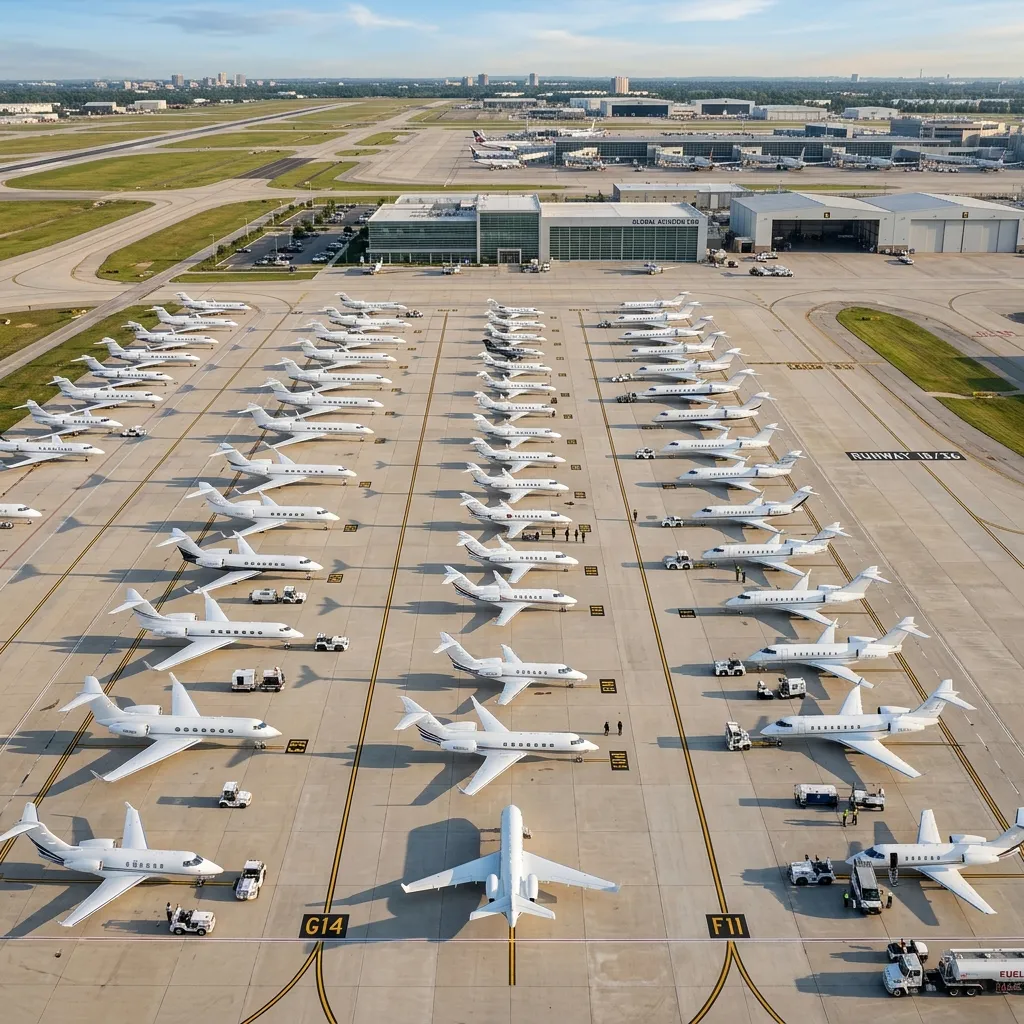
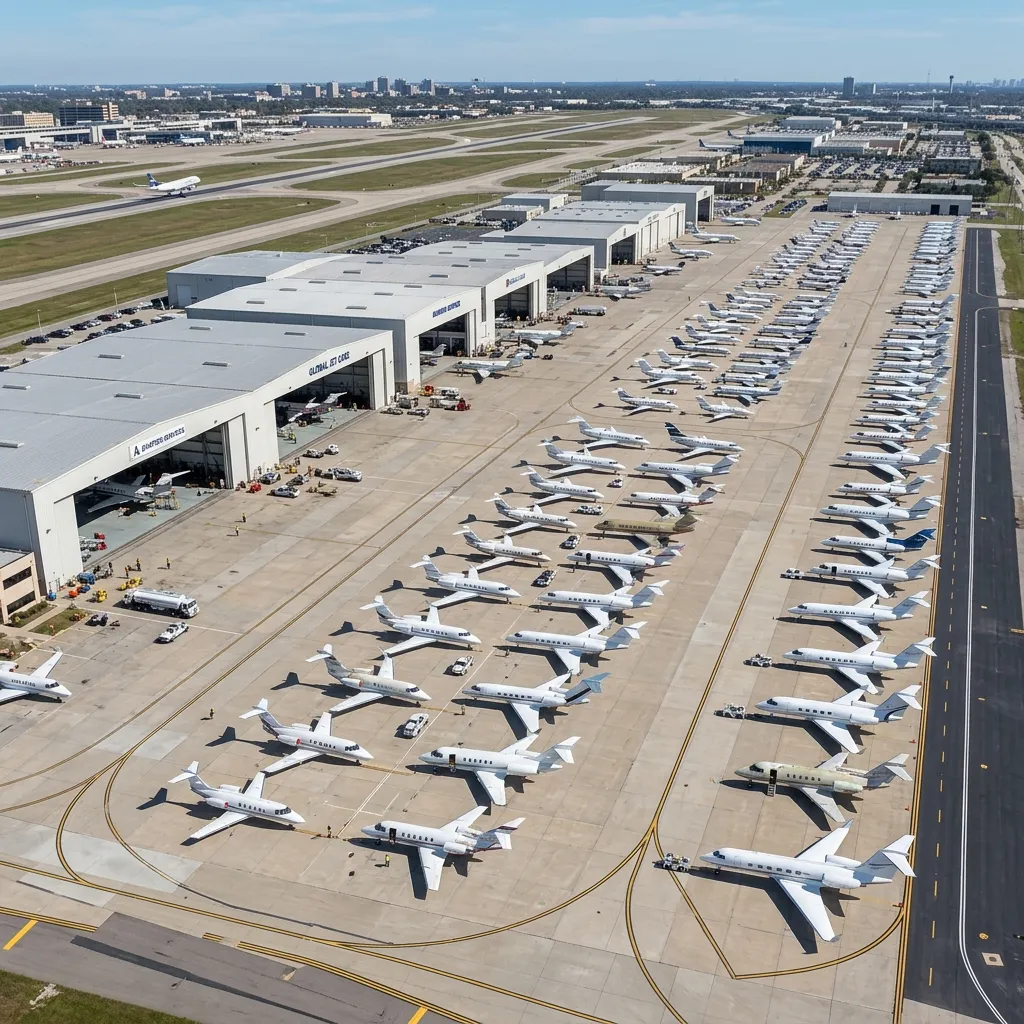
As of Q1 2026, the FAA aircraft registry lists 22,311 active business jets with U.S. N-numbers. That includes every Citation, Gulfstream, Challenger, Learjet, Falcon, Phenom, and HondaJet registered to a domestic owner or operator. It does not include aircraft in storage, exported airframes, or jets operating on temporary registrations. The real operating fleet is probably 18,000-19,000 after accounting for aircraft that are registered but not actively flying.
That fleet number represents roughly 40% of all business jets worldwide. The next largest registries are Brazil (2,100+), Mexico (1,400+), and the UK/Isle of Man combined (1,300+). No other country comes close. The U.S. dominance reflects a combination of regulatory environment, tax policy, geographic scale, and a commercial airline network that, despite improvements, still cannot serve the 5,000+ public-use airports where business jets operate.
The Growth Curve: 1990-2007
In 1990, approximately 9,500 business jets were registered in the U.S. By 2000, that number had climbed to 14,200, an average annual growth of 4.1%. The dot-com bubble, favorable depreciation schedules, and corporate expansion drove the increase. Cessna, Bombardier, and Gulfstream all expanded production lines during this period. The Citation series alone added 1,500+ airframes between 1990 and 2000.
The 2001 recession and September 11 attacks caused a one-year pause, not a collapse. New registrations dipped from 1,100 in 2000 to 800 in 2002 before rebounding. By 2005, annual new registrations exceeded 1,000 again. The pre-financial-crisis peak hit in 2007 with approximately 1,200+ new business jet registrations and a total fleet approaching 19,000 airframes.
The 2004-2007 period created a bubble that the industry did not recognize as one until it popped. Manufacturers took orders faster than they could deliver, order books stretched 3-4 years out, and customers were placing deposits on aircraft they intended to flip before delivery. When the music stopped, cancellation rates exceeded 30% at every OEM.
The 2008 Crash and Congressional Hearing Effect
The financial crisis cut new registrations from 1,200 in 2007 to approximately 500 in 2009. That 58% drop was not just an economic contraction. It was an identity crisis. When the CEOs of Ford, GM, and Chrysler flew private jets to Washington to request bailout money in November 2008, the resulting Congressional hearing permanently changed the optics of corporate jet ownership.
Companies that had operated flight departments for decades suddenly faced board-level scrutiny. Some divested aircraft. Others restructured ownership through management companies to reduce visibility. The stigma took 5-7 years to fully dissipate, and it created a measurable gap in the registration data. From 2009 to 2013, annual new registrations averaged 600-700, roughly half the pre-crisis rate.
Recovery and the Pre-Pandemic Plateau: 2014-2019
By 2014, annual new registrations climbed back to 800-850. The fleet total exceeded 20,000 for the first time. Tax reform in 2017 introduced 100% bonus depreciation for new aircraft, which turbocharged deliveries in 2018-2019. Gulfstream's G500/G600, Bombardier's Global 7500, and Embraer's Praetor series all entered service during this period, filling a pipeline of orders that manufacturers had been building since 2015.
The pre-pandemic fleet in late 2019 stood at approximately 21,200 active business jets. Growth had stabilized at 2-3% annually. Charter demand was steady. Fractional programs (NetJets, Flexjet, PlaneSense) were expanding modestly. The market was healthy but not overheated. Nothing in the data predicted what would happen next.