The Two Jets That Built Light Charter
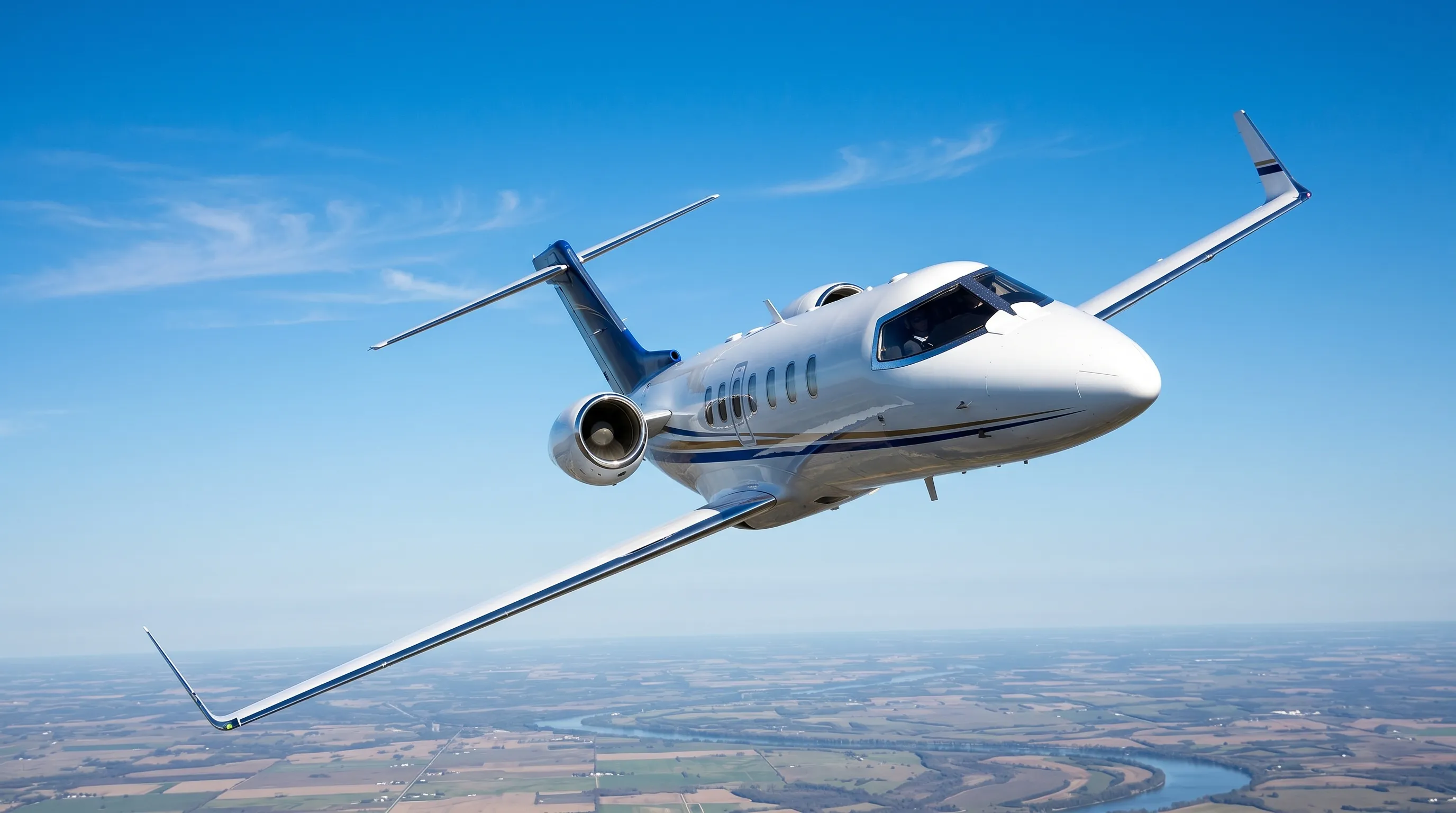
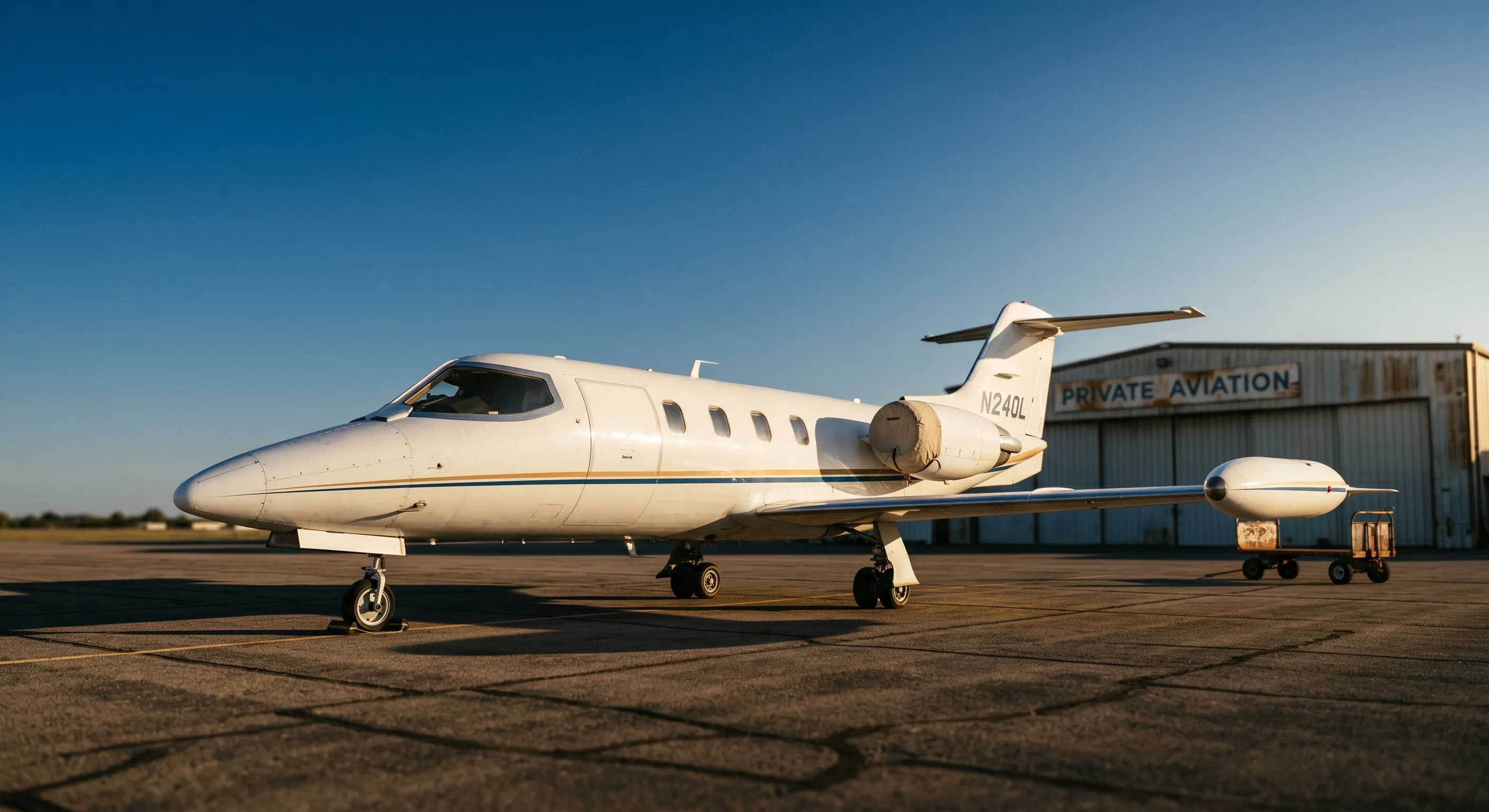
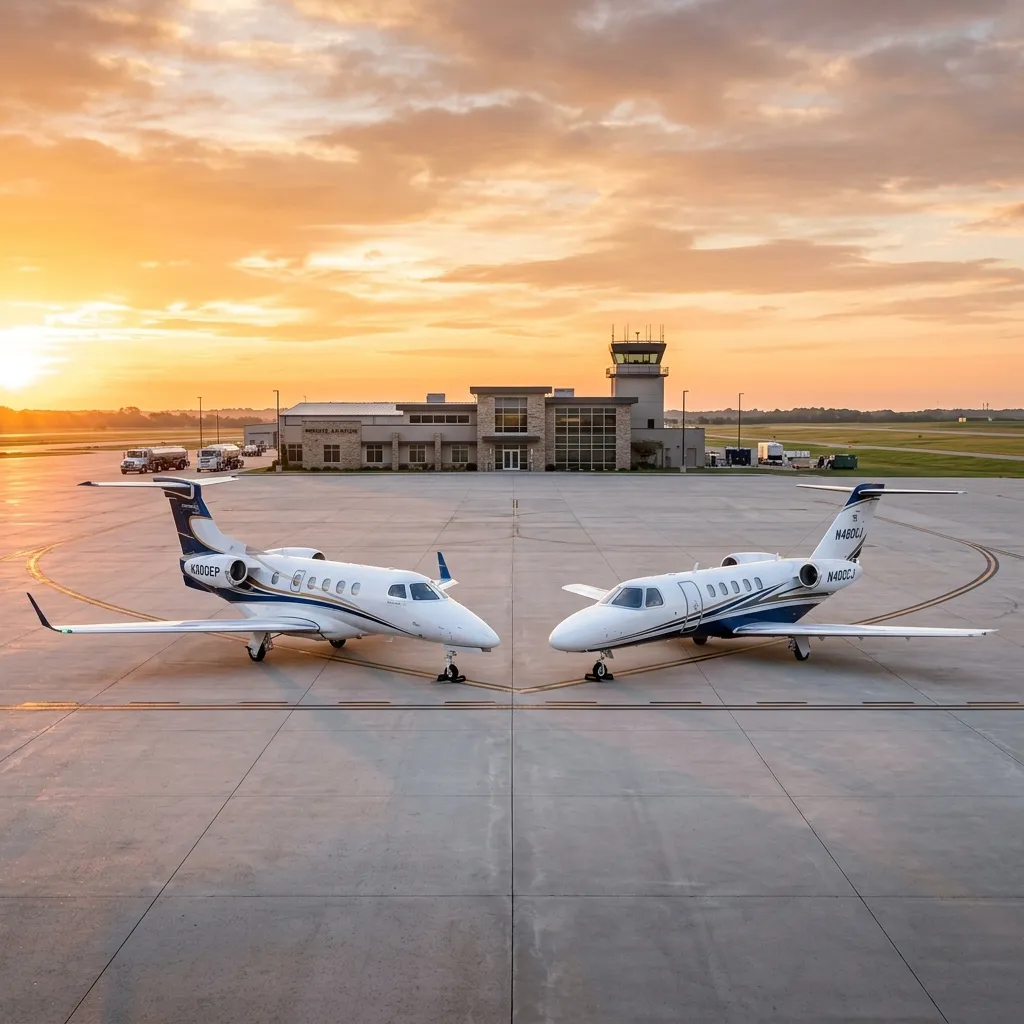
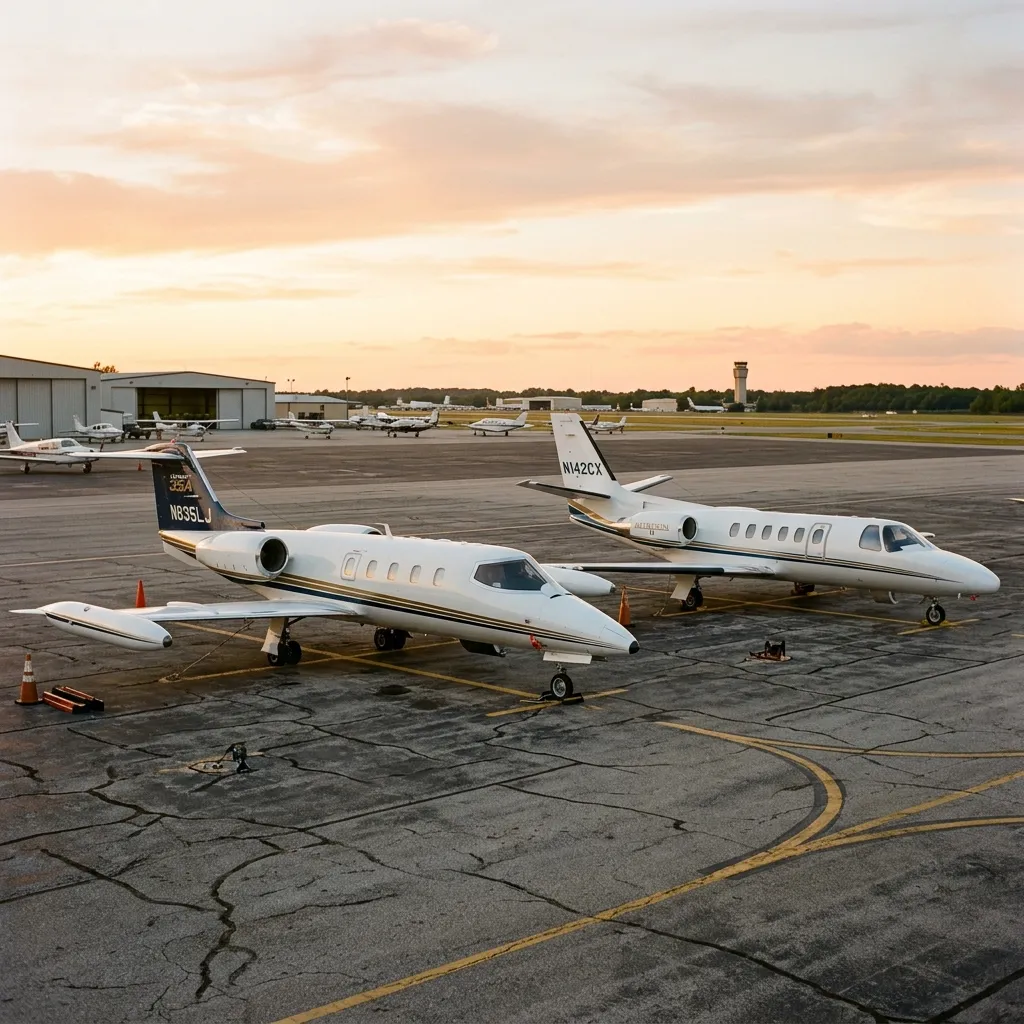
The Learjet 35A (1974-1994) and Cessna Citation II (1978-1996) were not just competitors. They were the aircraft that proved light jet charter could be a sustainable business. Before these two platforms, on-demand charter was dominated by turboprops and the few operators who could afford Sabreliner or early Learjet 20-series aircraft. The 35A and Citation II made light jet operations affordable enough that regional charter companies could build fleets around them, and both models accumulated enough airframe hours and service history to remain operational into 2026.
Cessna delivered over 600 Citation IIs (including the S/II and II/SP variants) between 1978 and 1996. Gates Learjet delivered approximately 665 Learjet 35A models between 1974 and 1994. Roughly 200 of each type remain in active service today, a testament to the durability of 1970s-era airframe engineering and the economics of operating a paid-for aircraft. Pre-owned prices have bottomed: functional Citation IIs trade between $400,000 and $900,000, and Learjet 35As between $500,000 and $1,100,000, placing both within reach of owner-operators who would otherwise fly turboprops.
Performance: Learjet Speed Against Citation Accessibility
The Learjet 35A is significantly faster. At 452 ktas max cruise, it outpaces the Citation II by 77 knots, a gap that translates to 25-40 minutes on a 2-hour domestic leg. The Learjet's range advantage of 480 NM means it covers coast-to-coast routing (New York to Los Angeles is roughly 2,150 NM) with comfortable reserves, while the Citation II requires a fuel stop. The Learjet 35A was, for its generation, a genuinely fast airplane that could compete on speed with midsize jets of the era.
The Citation II wins on short-field performance and fuel economy. Its 3,560-foot takeoff roll opens airports the Learjet cannot reach at gross weight. At 130 GPH versus the Learjet's 170 GPH, the Citation II saves 40 gallons per flight hour. At $7.00 per gallon, that is $280 per hour in fuel savings, or $56,000 annually at 200 hours. For operators running 3-4 short legs per day between regional airports, the Citation II's lower fuel burn and shorter runway requirement create a genuine economic advantage.
Cabin: Width and Height Matter at These Dimensions
Neither cabin is generous by current standards. Both are approximately 4.8-4.9 feet wide, narrower than a Phenom 300 (5.1 ft) or CJ4 (4.8 ft but with better interior finishing). The Citation II's 5-inch height advantage (4.8 ft vs 4.3 ft) matters more than the spec suggests. The Learjet 35A's cabin height of 4.3 feet means most adults cannot stand upright anywhere in the cabin. The Citation II's 4.8 feet allows limited standing for passengers under 5'8". In both aircraft, moving to the lavatory requires crouching.
The Citation II's cabin is 2.8 feet longer than the Learjet 35A's, and this extra length creates a meaningfully different experience for 4+ passengers. The Citation II accommodates a proper club-four arrangement plus two additional forward-facing seats. The Learjet 35A fits 6-8 passengers only by using every available seat, including side-facing seats that are uncomfortable for flights over 90 minutes. For 2-4 passengers, both cabins work. For 6+, the Citation II provides more realistic seating.