The Number
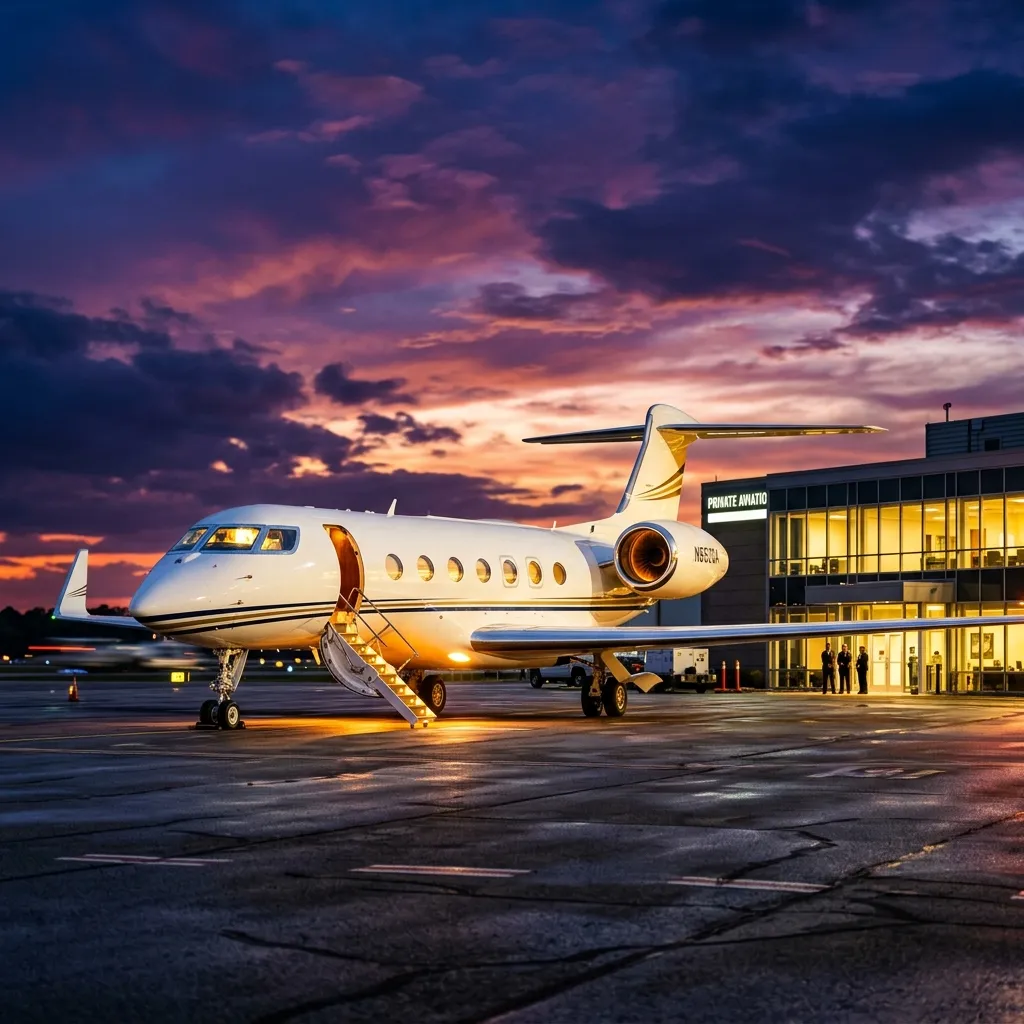
A Gulfstream G650 charters for $6,500 to $10,000 per flight hour. On a New York to London run (3,450 nm, ~7 hours), that's $45,500 to $70,000 one-way before taxes and fees. A round trip across the Atlantic runs $95,000 to $150,000 depending on the operator, ground time in Europe, and crew logistics.
Those numbers do not need justification. The G650 exists for passengers whose schedule cannot accommodate airline routing, connections, or delays on intercontinental travel. If the mission requires nonstop New York to Dubai, Los Angeles to Tokyo, or London to Singapore, the G650 does it. Very few other aircraft can.
$6,500-$10,000
Hourly Rate
46 Feet of Cabin: What You're Flying In
The G650 cabin is 46.8 feet long, 8.5 feet wide, and 6.4 feet tall. Those dimensions create a space that functions as an office, dining room, and sleeping quarters simultaneously. Most configurations include three distinct zones: a forward club section for meetings, a mid-cabin conference or dining area, and an aft stateroom with a divan that converts to a flat bed.
Sixteen panoramic oval windows, the largest in business aviation, flood the cabin with natural light at altitude. The cabin altitude system maintains a 4,850-foot cabin pressure at FL510 (51,000 feet), which means less fatigue on long-haul flights. Passengers landing in London after a 7-hour transatlantic crossing report feeling meaningfully less jet-lagged than on commercial first class.
The aft lavatory on most G650 configurations is a full-service washroom with a vanity, mirror, and enough space to change clothes before landing. The forward galley handles catering for 8-12 passengers on international legs, from cold spreads to full hot meals depending on the operator's catering setup.
Baggage capacity is 195 cubic feet. For context, that's more than a midsize SUV's cargo area. Garment bags, hard-shell luggage, presentation materials, and sporting equipment all fit without conversation.
Where the G650 Goes That Others Cannot
The G650's 7,000-nautical-mile range (7,500 nm on the ER variant) is not a spec sheet number. It's the operational reason this aircraft exists. Here are routes the G650 covers nonstop that require fuel stops on anything smaller:
- New York (TEB) → London (LTN): 3,450 nm, ~7h. The most common G650 transatlantic route. Lands at Luton, 30 miles north of central London, avoiding Heathrow congestion entirely.
- Los Angeles (VNY) → Tokyo (NRT): 4,730 nm, ~11h. Nonstop westbound is feasible on the G650ER with favorable winds. Standard G650 may require a tech stop in Anchorage depending on payload.
- New York (TEB) → Dubai (DWC): 5,800 nm, ~12h 30m. The G650ER handles this nonstop. The standard G650 typically stops in Shannon, Ireland or the Azores.
- Miami (OPF) → São Paulo (CGH): 3,900 nm, ~8h 30m. Nonstop, no customs complications in transit countries. Direct routing over the Caribbean and into Brazil.
- London (FAB) → Singapore (SIN): 5,900 nm, ~12h. G650ER territory. One of the longest regularly chartered private jet routes in the world.
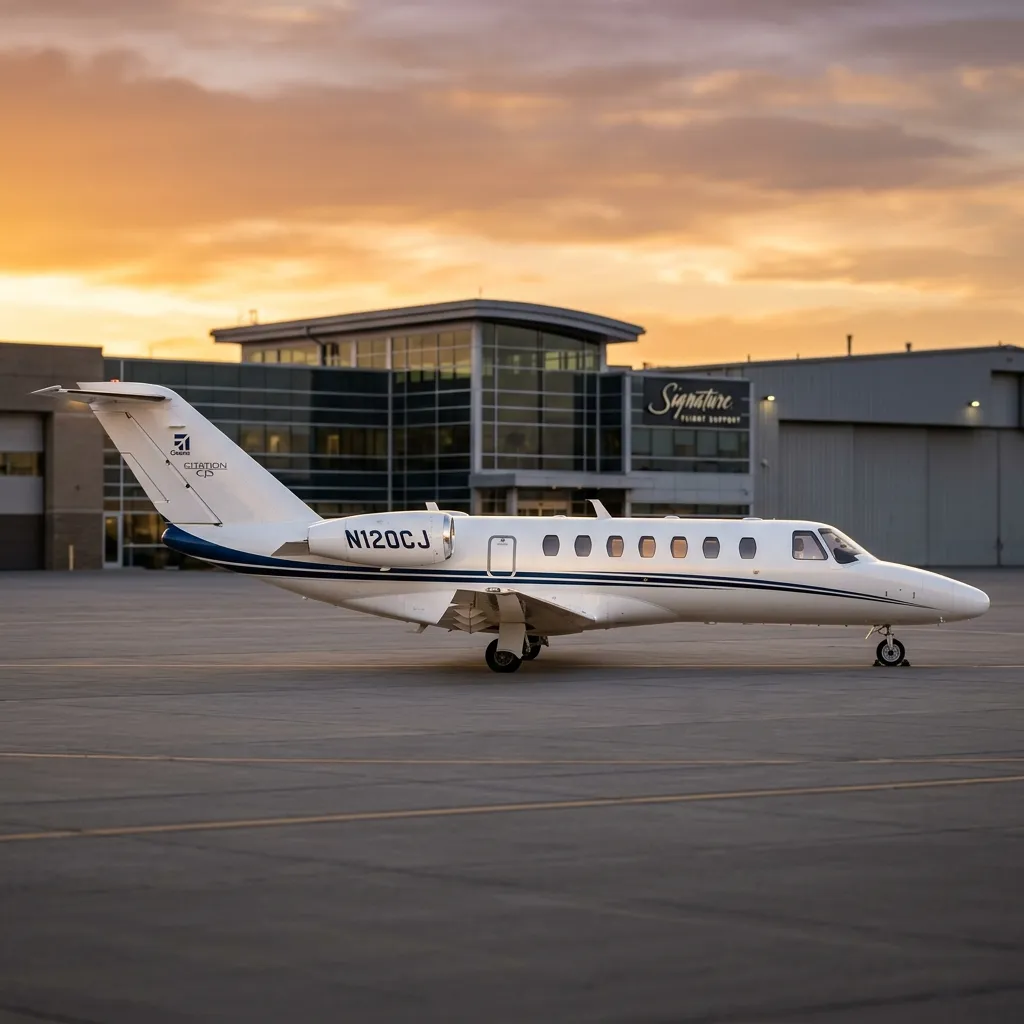
On domestic routes, the G650 is available but often mismatched to the mission. Chartering a G650 from Teterboro to Palm Beach costs roughly $22,000-$32,000 for 2.5 hours of flight. A Citation CJ3 covers the same route for $6,800-$8,500. The G650 makes financial sense on legs over 4 hours where cabin size, range, or speed are non-negotiable.
Inquire About a G650 Charter
Our team sources G650 availability from vetted Part 135 operators worldwide.
Contact Us →What Drives the Cost at This Level
The G650's two Rolls-Royce BR725 engines burn approximately 450 gallons per hour at cruise. At $5.75 per gallon (average FBO price), fuel alone is $2,600 per flight hour. On a transatlantic crossing, the fuel bill is $18,000-$20,000 before the aircraft ever lands.
Crew costs scale with the aircraft. G650 pilots are among the highest-paid in business aviation, with captains earning $250,000-$350,000 annually. Most G650 charter operations staff two pilots and a cabin attendant on international flights, adding per diem, hotel, and positioning costs at the destination.
Maintenance reserves on the G650 run $1,200-$1,800 per flight hour. Scheduled inspections at Gulfstream service centers are booked months in advance. An unscheduled maintenance event overseas (a common risk on international operations) can ground the aircraft and require ferry parts or a technical team, adding costs the operator absorbs but prices into the hourly rate.
At the G650 level, the hourly rate is a rounding error against the value of the time it saves. A same-day round trip to London that would take three commercial travel days is not a luxury purchase. It is an operational decision.
G650 vs. G650ER: When the Extra Range Matters
Gulfstream introduced the G650ER (Extended Range) in 2014 with 500 additional nautical miles of range (7,500 nm vs 7,000 nm). Charter rates between the two are within $500-$1,000 per hour of each other. The ER commands a slight premium because of its newer average fleet age and the operational flexibility the extra range provides.
For most domestic and transatlantic charters, the standard G650 covers the mission. The ER becomes essential on ultra-long routes: New York to Dubai, Los Angeles to Tokyo, London to Singapore. On these legs, the extra 500 nm means the difference between nonstop and a 45-minute fuel stop that adds crew duty time, landing fees, and schedule uncertainty.
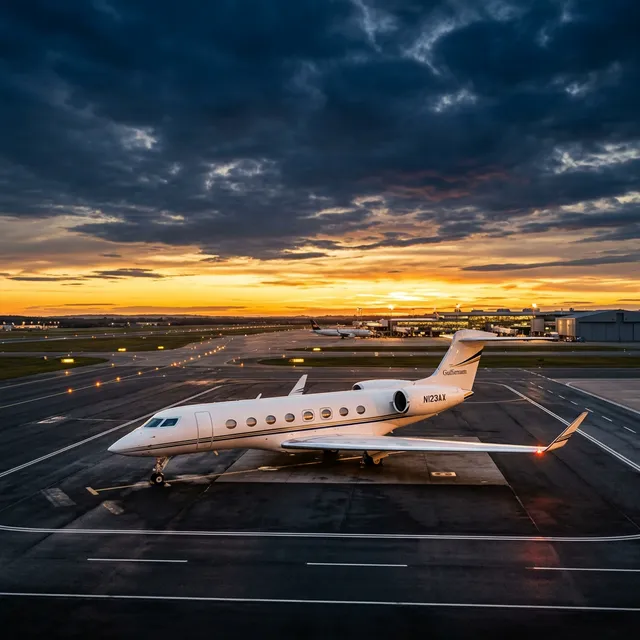
When requesting a quote, specify whether your route requires the ER variant. Operators will default to whichever aircraft is available. If nonstop is critical to your schedule, make that explicit. Aircraft like N100FX and N113CS are examples of G650s active in the U.S. charter fleet.
Booking a G650: Lead Time and Logistics
G650 availability is tighter than light or midsize jets. There are roughly 450 G650/G650ERs worldwide, and a smaller percentage operate on Part 135 charter certificates compared to the light jet fleet. Booking 2-4 weeks ahead is standard. Peak periods (Davos in January, Cannes in May, holiday travel in December) require 4-6 weeks.
International charters add logistical layers that domestic trips do not. Overflight permits (required for many countries), customs pre-clearance, handler coordination at foreign airports, and catering sourcing at the destination all require advance planning. A seasoned operator handles these automatically; a less experienced one may not.
- Overflight permits: Required for transiting most European, Asian, and Middle Eastern airspace. Lead time: 3-10 business days depending on country.
- Customs and immigration: Pre-arranged at airports of entry. The operator files passenger manifests and coordinates with CBP (outbound from U.S.) and local authorities (inbound at destination).
- International catering: Most operators partner with FBOs or catering companies at major international airports. Specialized dietary requirements or premium catering should be requested 48-72 hours before departure.
- Crew positioning: If the G650 is based in a different city than your departure point, the crew may need to position a day early, adding overnight and per diem costs.
For international charters, work with a broker or operator who has documented experience on your specific route. A charter advisory team with transatlantic and transpacific credentials will save you time and prevent logistical surprises.
Empty legs at the G650 level are rare but valuable when they appear. A G650 repositioning from London back to the U.S. after dropping off a client might be available at 40-50% off standard rates. These opportunities surface 5-10 days before the flight and disappear fast. If you have schedule flexibility on transatlantic routing, monitoring G650 empty legs through a broker can yield significant savings on what is otherwise the most expensive charter category in aviation.