The Fuel Cost Landscape in 2026
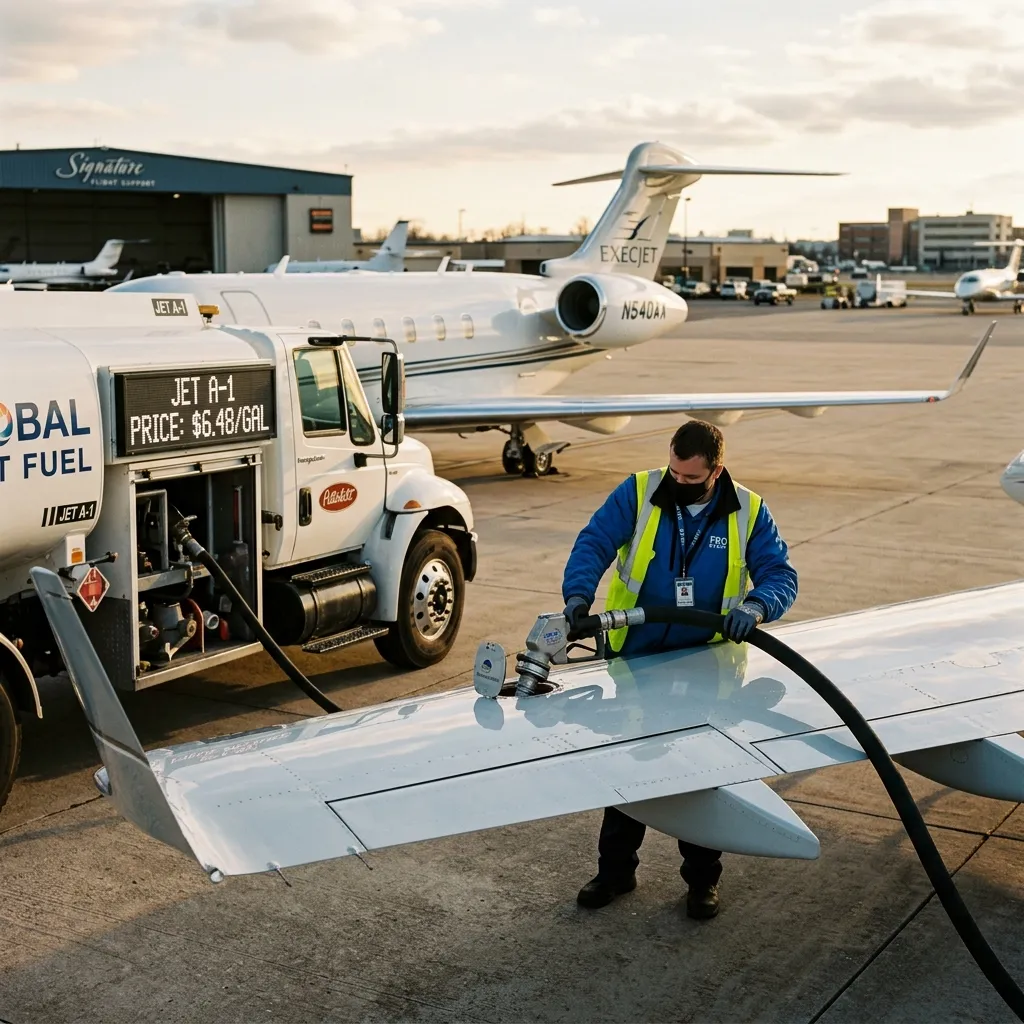
Jet-A fuel averages $6.50 per gallon at FBOs across the United States in 2026, a 25% increase from the $5.20 average in 2019. The national average masks extraordinary regional variation: FBO retail Jet-A prices range from $4.80 per gallon at volume-discount airports in the Texas Gulf Coast to $9.80 per gallon at resort-destination FBOs in Aspen, Sun Valley, and Nantucket. That $5.00-per-gallon spread creates significant cost differences on identical trip routings depending on where an aircraft uplifts fuel.
Fuel typically represents 30-45% of a charter operator's direct operating cost, making it the single largest variable expense. A midsize jet burning 200 gallons per hour at $6.50/gallon consumes $1,300 in fuel per flight hour. On a 3-hour trip, fuel alone costs $3,900 before any other operating expense is applied. The fuel component has grown from approximately 25-30% of charter rates in 2019 to 30-45% in 2026 because fuel costs rose faster than other inputs like crew and maintenance.
Regional Fuel Pricing Disparities
The pricing disparity is structural. Airports near Gulf Coast refineries benefit from short supply chains and competitive fuel suppliers. Mountain resort airports pay premium trucking costs to haul fuel over mountain passes to remote locations. Northeast corridor airports face high real estate costs for fuel storage infrastructure and intense demand during peak hours that reduces competitive pressure on pricing.
An operator tankering 200 gallons of extra fuel at $5.00/gal in Houston rather than uplifting at $9.00/gal in Aspen saves $800 on a single fuel stop. Over 300 flights per year, tankering strategy can reduce annual fuel costs by $50,000-$100,000. Smart operators build this into their pricing models.
How Fuel Costs Flow Through to Charter Quotes
Charter operators pass fuel costs to passengers through three mechanisms: base hourly rates, fuel surcharges, and quoted trip estimates. The method varies by operator:
Inclusive Hourly Rates
Most operators quote all-inclusive hourly rates that embed fuel cost at an assumed price per gallon (typically $6.00-$7.00 in 2026). If actual fuel costs exceed the assumed price, the operator absorbs the difference or adjusts rates at contract renewal. This approach provides price certainty for passengers but exposes operators to fuel price volatility.
Base Rate Plus Fuel Surcharge
Some operators quote a lower base hourly rate plus a variable fuel surcharge that adjusts monthly based on the Energy Information Administration (EIA) published Gulf Coast Jet-A spot price. This approach transfers fuel price risk to the passenger but provides transparent cost attribution. Fuel surcharges in 2026 typically range from $200-$500 per flight hour depending on aircraft type and current spot pricing.
Fixed Trip Quotes
Brokers and on-demand platforms typically provide fixed trip quotes that include fuel at the expected uplift locations. These quotes lock in the total cost regardless of fuel price fluctuations between booking and flight date. The fixed quote approach is preferred by passengers who want cost certainty, but quotes typically include a 5-10% fuel price buffer to protect the operator.