The Runway Dictates Everything
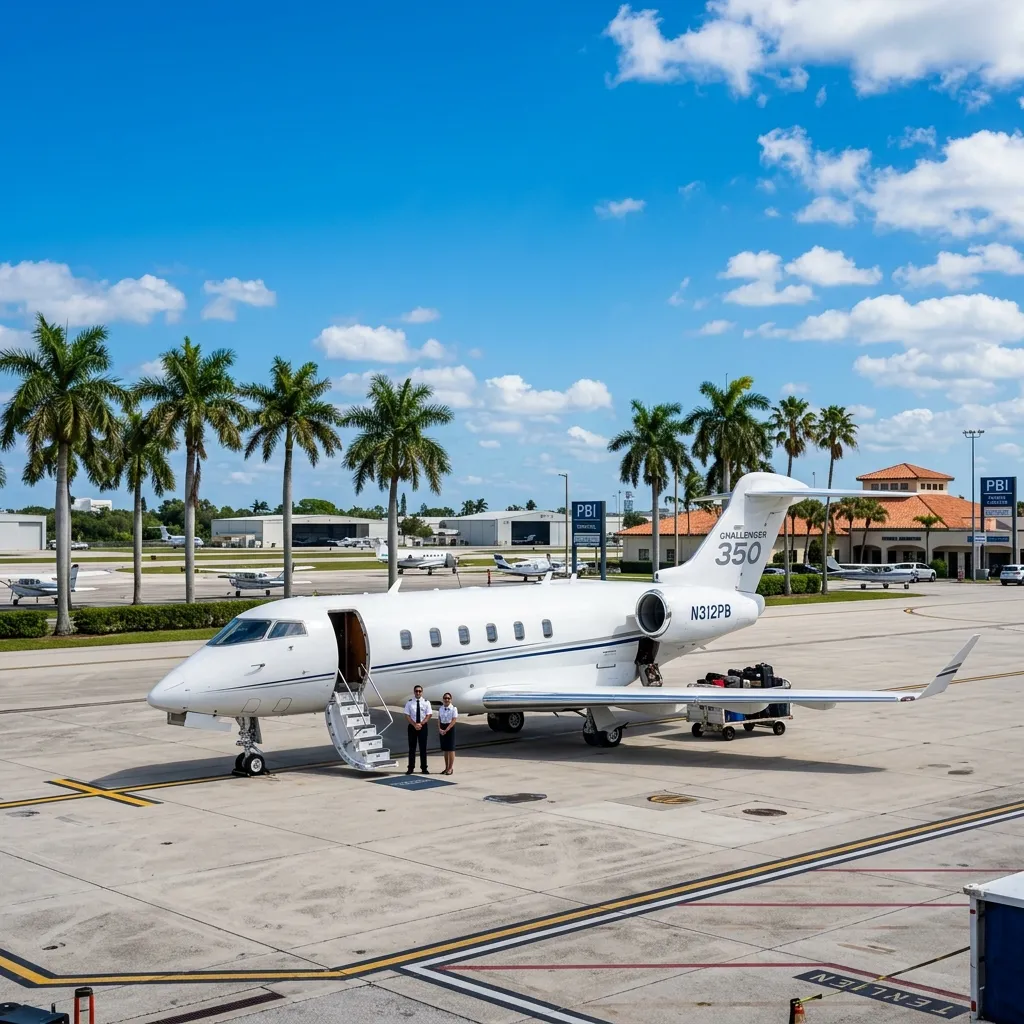
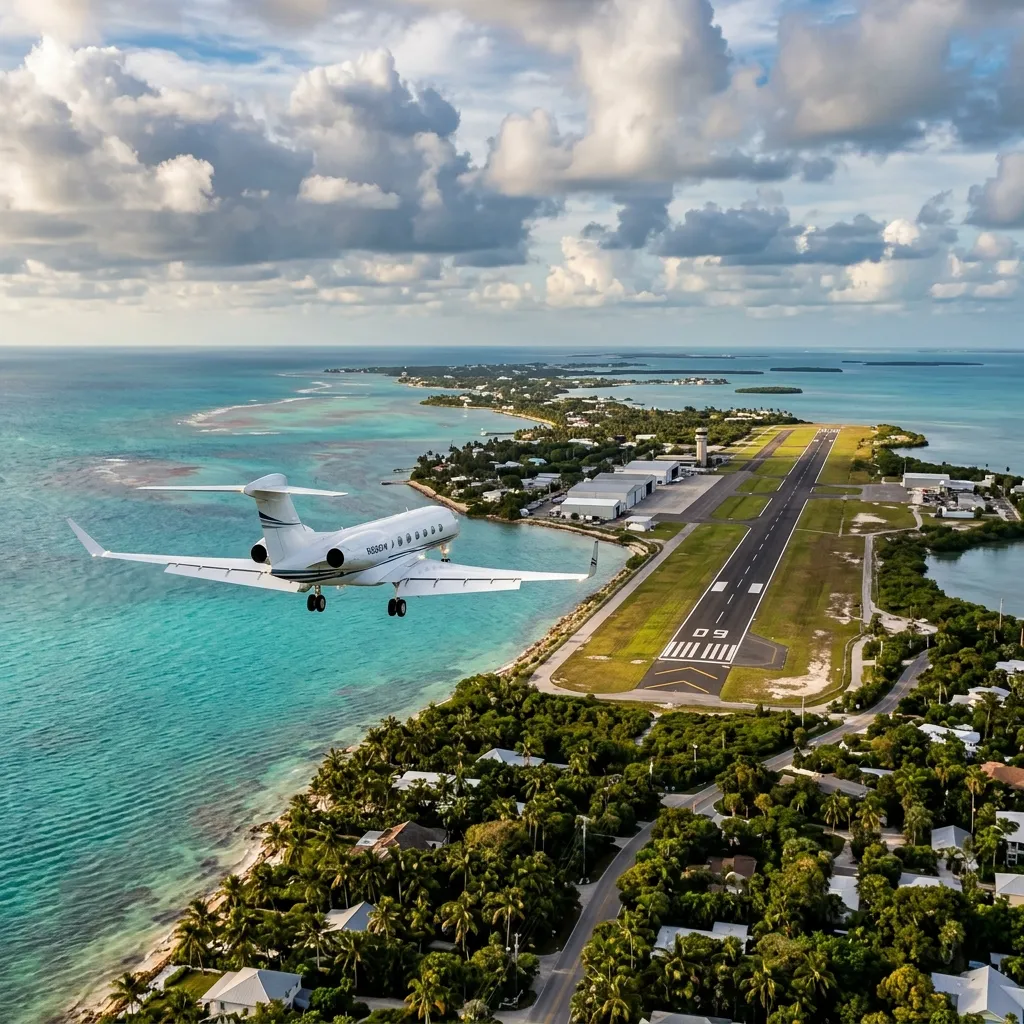
Runway 9/27 at Key West International is 4,801 feet long and 100 feet wide. That length eliminates every heavy jet and most super-midsizes from the equation. A Gulfstream G550 needs 5,910 feet. A Challenger 350 needs 4,970. Neither is landing at EYW. The airport exists for light jets, turboprops, and the occasional midsize that an experienced crew can put on the ground with margin.
Aircraft that regularly operate into EYW include the Citation CJ3 (3,180 ft), Phenom 300 (3,209 ft), Citation Excel/XLS (3,590 ft), King Air 350 (2,520 ft), and Pilatus PC-12 (2,602 ft). The Learjet 45 at 4,250 feet makes it in comfortably. A Hawker 800XP at 5,032 feet is technically possible under ideal conditions, but operators who value their certificate avoid the math.
Pilots who fly to Key West regularly have a rule: if the performance charts say you can make it with 200 feet to spare, you cannot make it. Heat, humidity, and sea-level density altitude eat margins that look comfortable on paper. EYW is not the place to find out your planning was optimistic.
FBOs: Signature and Key West Jet Center
Signature Flight Support operates the larger FBO on the south side of the field. Full-service: fuel (Jet-A and 100LL), GPU, lavatory service, rental car coordination, and a passenger lounge with air conditioning that matters in August. Ramp space is limited, particularly during Fantasy Fest (October) and the winter high season. Parking reservations during peak weeks are not optional; they are survival.
Key West Jet Center operates on the north side. Smaller operation, personal service, competitive fuel pricing. They handle turboprops and light jets efficiently and maintain relationships with most local ground transportation providers. During off-peak months (May through November), either FBO has available ramp space. During December through April, both fill up and aircraft end up parking on remote pads or repositioning to Marathon (KMTH) for overnight storage.
Fuel Pricing
Jet-A at EYW runs $1.50 to $2.00 above mainland Florida prices. All fuel arrives by truck from the mainland via US-1, the only road in and out. That logistics chain adds cost. Operators flying round-trip from Miami (OPF) or Fort Lauderdale (FXE) typically tanker enough fuel for the return leg to avoid the Key West premium. On a Citation CJ3 burning 140 gal/hr, that fuel savings covers the return leg's extra weight penalty.
Getting There: Routes and Flight Times
The most common charter leg into EYW originates from South Florida. OPF, FXE, and PBI collectively account for an estimated 60-70% of private jet traffic into Key West. The flight from Opa-locka takes 35 minutes in a Citation CJ3, making it functionally equivalent to driving to the airport and parking. Except you skip the 3.5-hour drive down US-1.
From the Northeast, the flight runs 2:45 to 3:00 in a light jet. That is within the CJ3's range without issue. Passengers departing Teterboro arrive in Key West before lunch, having skipped two commercial connections and a 7-hour door-to-door itinerary. The economics work for groups of 4+: a CJ3 at $12,000 splits to $3,000 per person versus $800+ per person for first class with connections.