Why Cancun Is Mexico's Busiest Private Jet Destination
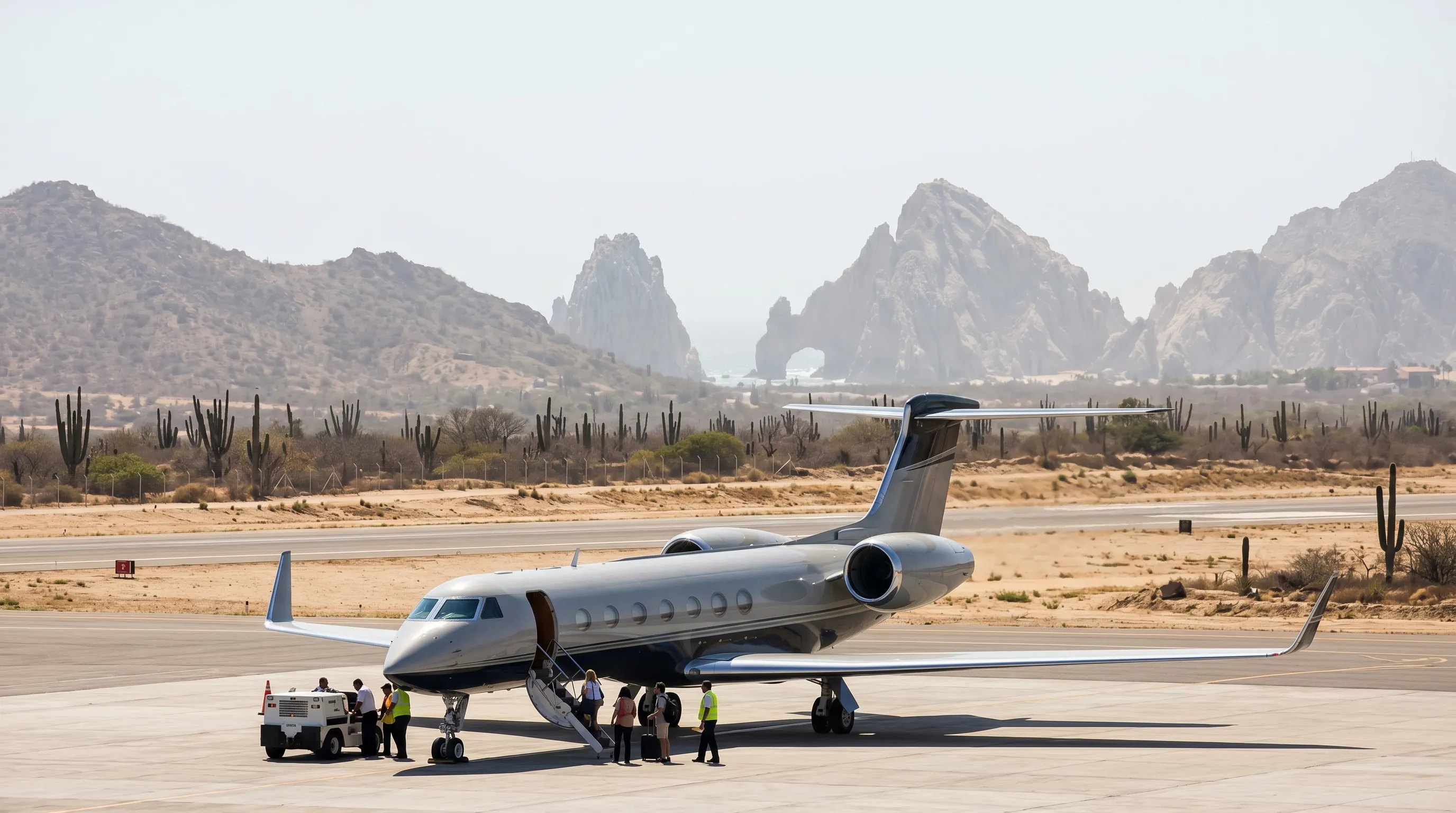
Cancun International Airport (CUN/MMUN) processes approximately 800-1,200 private jet movements per month during peak season (November through April), making it the busiest private aviation gateway in Mexico and one of the busiest in Latin America. The airport's 12,139-foot primary runway accepts all aircraft types from turboprops to Boeing BBJs. Three dedicated FBOs serve general aviation on the south side of the field, separated from the commercial terminals.
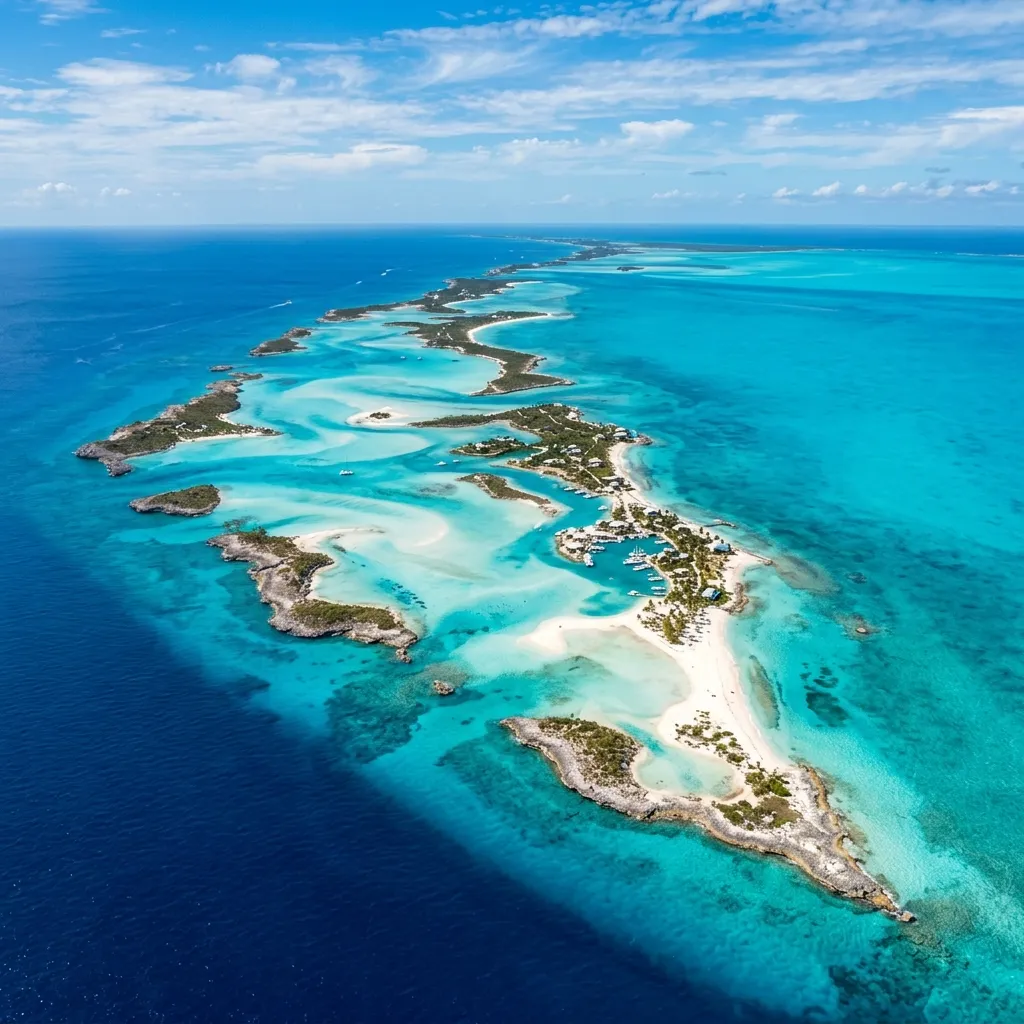
The demand is straightforward: Cancun provides access to 100 miles of Caribbean coastline stretching from Isla Mujeres through the Hotel Zone to Playa del Carmen, Tulum, and the Riviera Maya resort corridor. Direct flights from Houston take 2 hours (1,180 NM), from New York 3.5 hours (1,550 NM), from Los Angeles 4 hours (2,100 NM). No connecting flights, no layovers, no TSA lines. A family departing Teterboro at 8 AM is poolside at a Riviera Maya resort by 1 PM.
FBO Facilities at Cancun International
Jet Rescue is the most commonly used FBO for U.S. charter traffic, offering a renovated terminal, expedited customs and immigration processing, and coordination with concierge services for resort transfers. The facility handles aircraft from Citations to Global 7500s. MexJet operates a second terminal with competitive pricing and functional facilities. A third FBO option, Avemex, handles smaller turboprops and light jets.
Fuel pricing in Cancun runs $7.50-$9.00 per gallon for Jet-A, which is 15-25% higher than comparable U.S. FBOs. All fuel in Mexico is supplied through ASA (the Mexican aviation fuel authority) regardless of FBO. Contract fuel programs like Colt International and World Fuel Services can reduce costs by $0.30-$0.60 per gallon. For positioning-sensitive operators, tankering extra fuel from the U.S. departure point can save $1,000-$3,000 on a round trip.
Customs, Immigration, and Mexican Flight Requirements
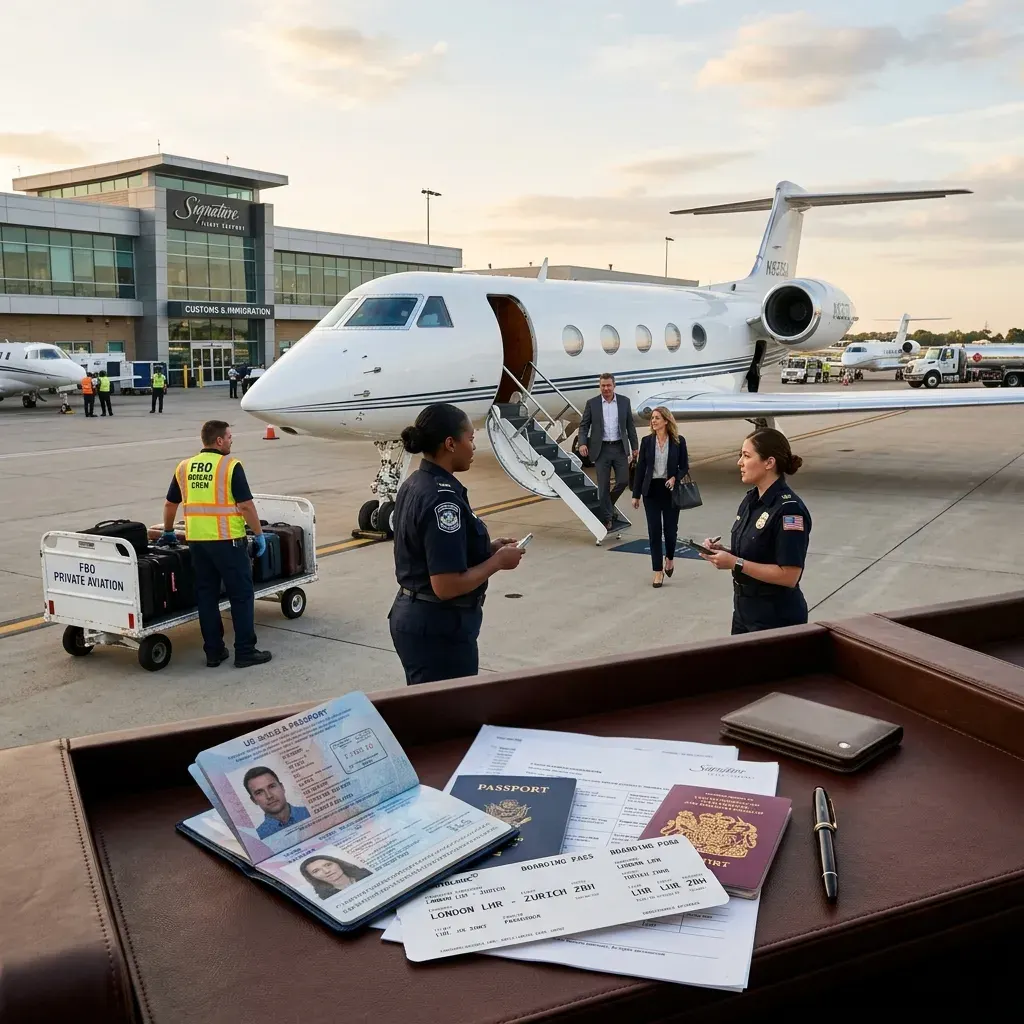
International private flights into Mexico require: eAPIS filing with U.S. CBP at least 60 minutes before departure, a Mexican overflight and landing permit (obtained through a handler or trip support company, typically 72 hours advance notice), APIS filing with Mexican immigration (INM), a customs declaration, and a general declaration form. The FBO handles the paperwork on arrival. Total customs and immigration processing at the FBO takes 15-30 minutes for most groups.
- eAPIS filed with U.S. CBP: minimum 60 minutes before departure
- Mexican overflight and landing permit: 72 hours advance notice recommended
- Passenger manifests: submitted to INM (Mexican immigration) before arrival
- Customs declaration: standard form completed by each passenger on arrival
- FMM tourist card: issued at the FBO for stays under 180 days (most tourism)
- Temporary aircraft import permit: required for all foreign-registered aircraft
- Insurance: Mexican liability insurance required; verify with your broker
- Return to U.S.: eAPIS filed before departure, CBP clearance at first U.S. airport of entry
Trip support companies like Universal Aviation, Hadid International, and FuelerLinx handle the full spectrum of Mexican flight permissions. For operators unfamiliar with Mexican airspace and customs procedures, using a trip support provider is essential. They secure permits, file flight plans through Mexican ATC (SENEAM), arrange fuel and handling, and ensure all documentation is in order before the aircraft departs. Cost: $500-$1,500 per trip for full-service support.