The BBJ Sits in a Category Most Charter Clients Never Access
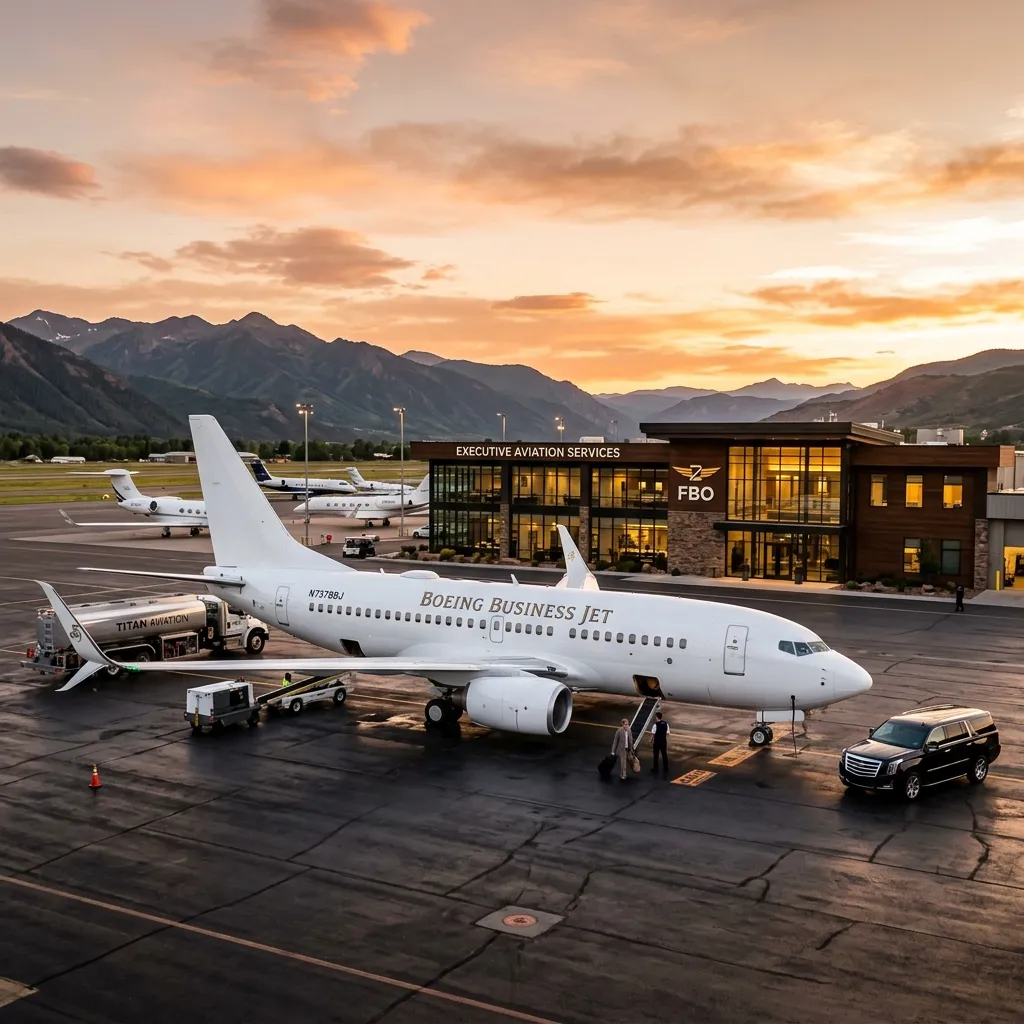
The Boeing Business Jet (BBJ) charters for $12,000 to $22,000 per flight hour, depending on the variant and interior configuration. A round-trip transatlantic mission (New York to London and back) runs $150,000 to $280,000 before fuel surcharges, catering, and ground handling. These are not numbers most charter brokers lead with, because the BBJ is not a jet you stumble into. It serves a specific mission: large-group, long-range, heads-of-state-level travel where a G650 cabin feels too small.
Fewer than 250 BBJs exist worldwide, and the charter-available subset is even smaller. Most are government or corporate-owned under Part 91. The handful on Part 135 certificates or available through management companies command premium positioning because they are, functionally, private airliners with hotel-suite interiors. The hourly rate is just the starting line.
BBJ Variants and What Each One Costs
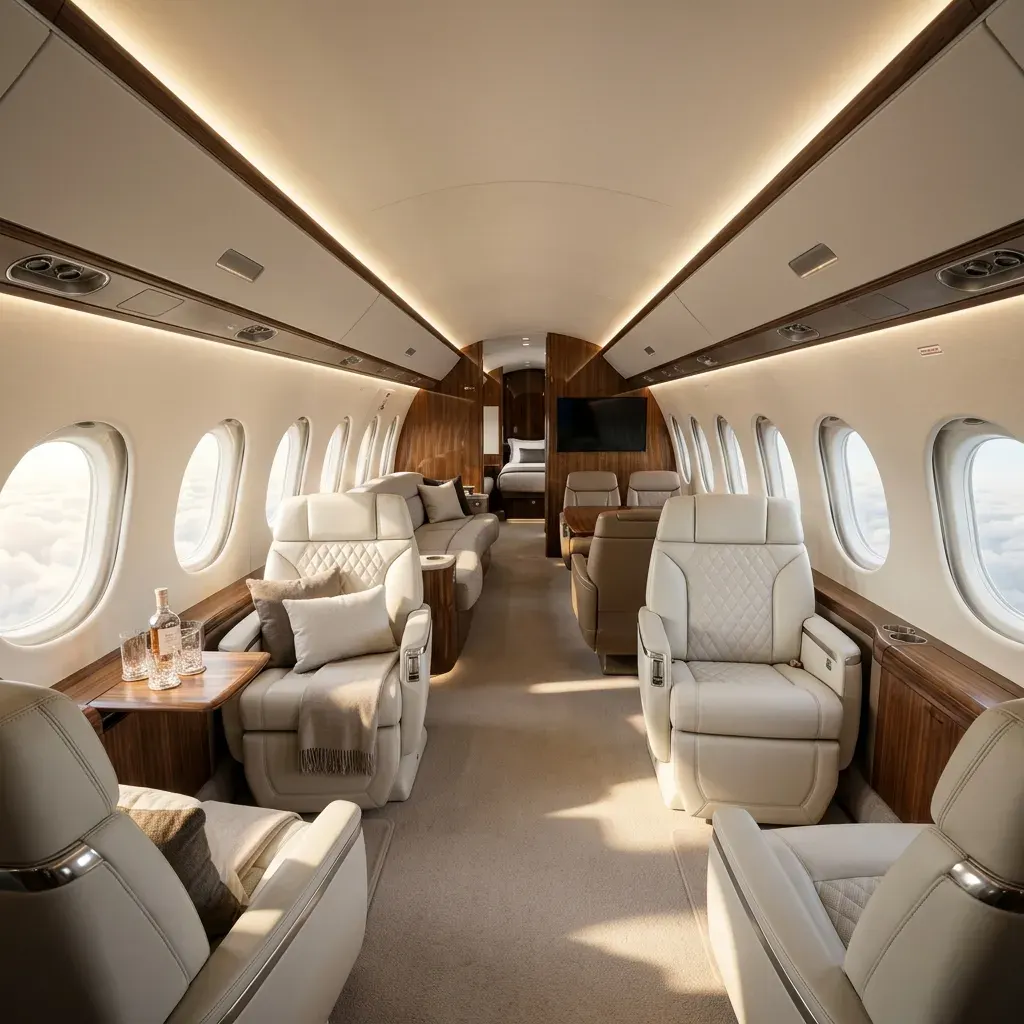
The BBJ1 is the most common charter variant. It uses the 737-700 airframe with auxiliary fuel tanks that push range to 6,200 nautical miles, enough for nonstop New York-to-Dubai or Los Angeles-to-London. Interior configurations vary wildly: some are fitted with 16 first-class seats and a master bedroom; others carry 50 passengers in club-seating layouts for corporate shuttles. The configuration directly affects the hourly rate because a 16-seat VIP interior requires more maintenance, specialized cleaning, and liability coverage.
The BBJ2 adds fuselage length (737-800 platform) and cabin volume but sacrifices about 400 nm of range. The BBJ3 is the largest, based on the 737-900ER, but its 5,200 nm range limits nonstop transatlantic routing from the East Coast. For ultra-long missions, the BBJ1 with its range advantage remains the charter workhorse. The BBJ MAX series, with ranges exceeding 7,000 nm, is entering service but none are yet widely available for charter.
What a Real BBJ Mission Costs: Three Examples
These estimates cover the flight hour cost only. Add 10-20% for fuel surcharges (BBJs burn 800-1,000 gallons per hour at Jet-A prices around $6-$8 per gallon). Add $5,000-$15,000 for positioning if the aircraft is not based at your departure airport. International segments add customs handling, overflight permits ($2,000-$8,000 depending on route), and landing fees that scale with aircraft weight. A BBJ at 170,000+ lbs MTOW triggers the highest landing fee tier at most airports.
The per-seat economics shift the calculus. A BBJ carrying 30 executives on a New York-to-London flight at $130,000 works out to roughly $4,300 per seat. Business class on the same route runs $5,000-$8,000 per seat with no privacy, no custom catering, and a two-hour security gauntlet. At 30+ passengers, the BBJ does not just compete with commercial first class. It wins.
Need a Charter Quote?
Contact our team for a personalized quote.
Get a Quote →The Costs Nobody Mentions Until You Sign
- Crew costs: BBJs require two pilots and typically a flight attendant (or two for international flights). Crew overnight fees run $800-$1,500 per night in major cities.
- Catering: VIP catering for a BBJ is not a deli tray. Executive catering runs $150-$500 per passenger for multi-course meals. Full-service in-flight dining with wine pairings pushes $1,000 per head.
- Ground handling: A 737-sized aircraft requires airline-level ground handling equipment. Expect $3,000-$8,000 per stop at international airports.
- Cleaning and cabin reset: Post-flight interior cleaning on a BBJ costs $2,000-$5,000 depending on passenger count and the mess.
- Insurance surcharge: Some operators charge a 3-5% insurance surcharge on international flights, particularly to regions with elevated risk.
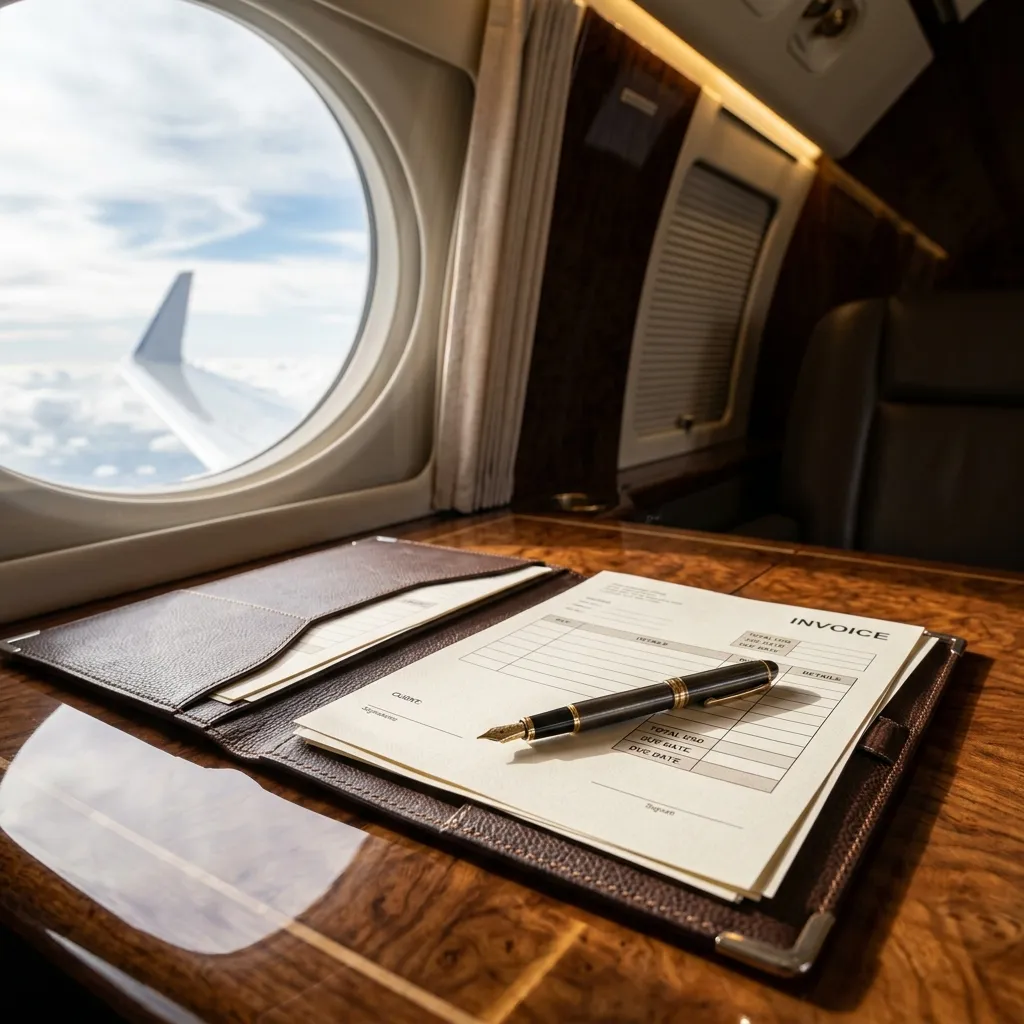
The gap between the quoted hourly rate and the actual invoice is larger on BBJ charters than on any other aircraft category. A client who budgets $130,000 for a transatlantic flight may see a final invoice of $155,000-$175,000 after positioning, fuel surcharge, crew, catering, and handling. Request an all-inclusive quote before committing. Operators who quote hourly only are either inexperienced with BBJ operations or counting on the add-ons.
When a BBJ Makes Sense and When It Does Not
The BBJ makes sense in exactly two scenarios. First: groups of 20-50 passengers traveling together on a mission exceeding 4,000 nm. Corporate boards, sports teams, government delegations, incentive travel groups. At this headcount and distance, chartering individual G650s or Global 7500s for subgroups costs more per person and creates logistical complexity with multiple aircraft, separate crews, and staggered arrivals.
Second: head-of-state or principal-level travel where the cabin must include a private suite, meeting room, and separate staff area simultaneously. No standard business jet, regardless of price, offers a 1,000+ square foot cabin with a full-size bed, private lavatory, and conference table that seats 12. The BBJ is the only charter option that replicates the layout of a private residence at altitude.
Skip the BBJ for parties under 15. A G650 or Global 7500 at $8,000-$12,000 per hour delivers comparable range and luxury for smaller groups at half the cost. The BBJ's economics only work when you fill seats or need the cabin volume. Flying 6 people in a 50-seat BBJ is not premium travel. It is waste.
Finding a BBJ for Charter: The Supply Problem
BBJ charter availability is thin. Globally, fewer than 30 BBJs are consistently available on Part 135 certificates or through managed charter arrangements. Most are based in the Middle East, Europe, and the U.S. West Coast. Lead time for a BBJ charter is typically 14-30 days, sometimes longer for international missions requiring overflight permits and custom catering setup.
Do not expect to find a BBJ through a standard charter app. Platforms like XO, VistaJet, and Magellan Jets do not list BBJs in their standard fleet. Access requires going through specialized large-aircraft brokers or contacting operators directly. Companies like Comlux, PrivatAir (now Amac Aerospace), and Royal Jet operate BBJs for charter. Your broker should be able to source from these networks, but if they have never booked a BBJ before, find a different broker.
The BBJ is the charter market's unicorn. Everyone knows it exists. Almost nobody has actually booked one. If a broker quotes you confidently within an hour, they are either very connected or very creative with their numbers. Ask for the operator name and certificate number before signing anything.