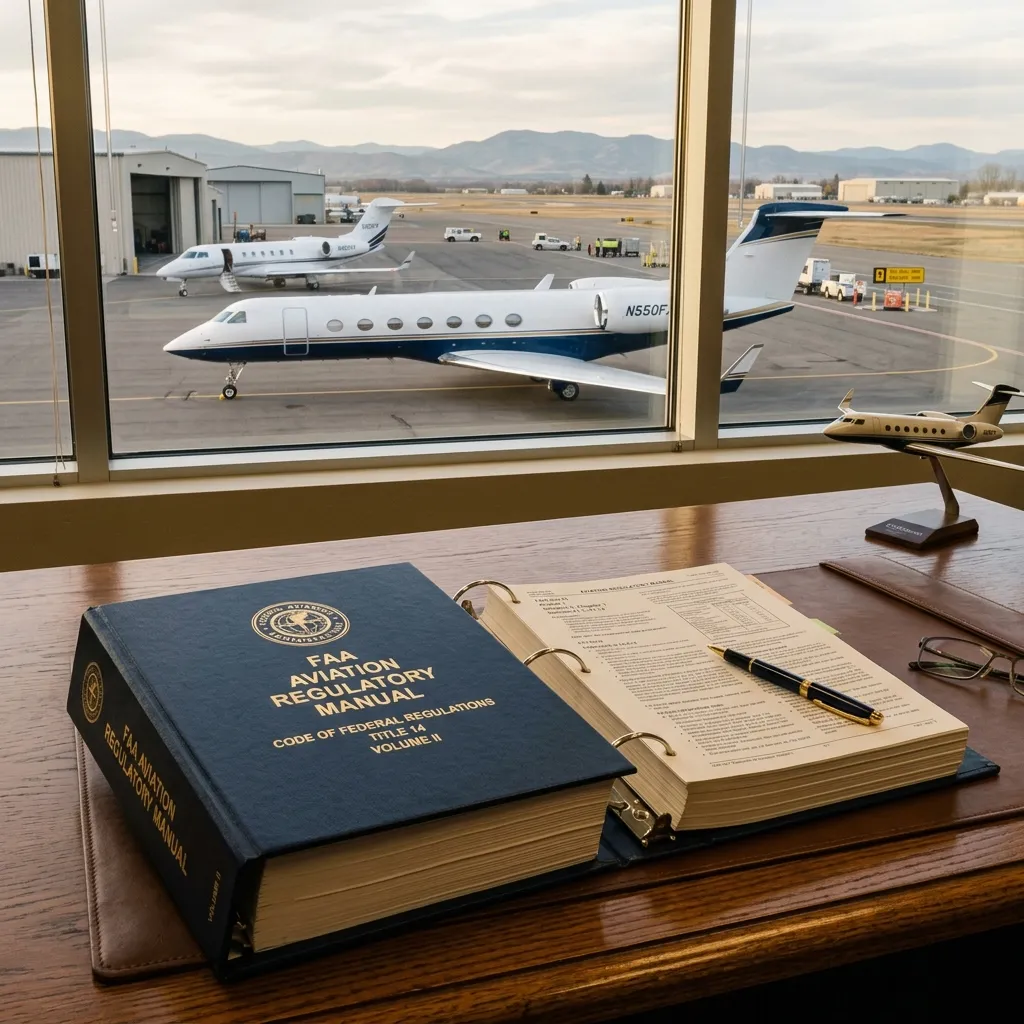
Why Delivery Location Is a Seven-Figure Decision
On a $15 million aircraft purchase, the difference between taking delivery in a state with a full aircraft sales tax exemption and a state with a 7% sales tax rate is $1,050,000. That is not a rounding error. It is a material financial consideration that affects the total cost of acquisition more than most negotiating points in the purchase agreement.
Sales tax on aircraft is governed by state law, and the rules vary dramatically. Some states fully exempt aircraft from sales tax. Others impose the full state rate plus local additions. Many offer partial exemptions that depend on aircraft weight, use case (commercial vs. personal), or residency status.
The complexity creates opportunities for buyers who plan ahead and traps for buyers who do not. Where you take delivery, where you base the aircraft, and how you structure the ownership entity all affect the tax outcome.
States With Full Aircraft Sales Tax Exemptions
The following states offer full or near-full exemptions from sales tax on aircraft purchases:
| State | Exemption Type | Key Conditions |
|---|
| Delaware | No sales tax | No state sales tax on any transaction |
| Montana | No sales tax | No state sales tax; popular for LLC registration |
| Oregon | No sales tax | No state sales tax on any transaction |
| New Hampshire | No sales tax | No state sales tax on any transaction |
| Texas | Exempt for Part 135 | Aircraft used for Part 135 charter are exempt |
| Florida | Reduced rate + cap | 6% with $18,000 cap on aircraft over $300K (effective near-zero rate) |
| Oklahoma | Exempt | Aircraft sales exempt from state sales tax |
$1.05M
Tax on $15M Jet at 7%
$18K Cap
Florida Aircraft Tax Cap
Structuring a Purchase?
Our advisory team works with your tax counsel to optimize acquisition structure, delivery location, and registration to minimize sales tax exposure legally.
Speak With an Advisor →
States With Partial Exemptions
Several states offer exemptions that apply only under specific conditions:
- Texas: Aircraft used exclusively for Part 135 charter are exempt. Aircraft used under Part 91 for personal or business travel are subject to the 6.25% state rate plus local taxes. The distinction makes the Part 91 vs. Part 135 classification a direct tax consideration in Texas.
- Indiana: Exempts aircraft over 7,500 lbs MTOW from state sales tax.
- Kansas: Exempts aircraft from sales tax if used in interstate commerce.
- South Carolina: Caps sales tax on aircraft at $500, making it effectively exempt.
- Louisiana: Offers various exemptions for aircraft used in interstate commerce, but the rules are complex and frequently challenged by auditors.
High-Tax States
The following states impose significant sales tax on aircraft purchases with limited exemptions:
- California: 7.25% base rate plus local additions up to 10.75%. Aircraft sold or delivered in California are generally subject to the full rate. The combined rate on a $15M aircraft in some California counties exceeds $1.5M.
- New York: 4% state rate plus local taxes up to 8.875% in New York City. Limited exemptions exist but are narrowly applied.
- New Jersey: 6.625% with limited aircraft-specific exemptions.
- Illinois: 6.25% state rate plus local additions. Aircraft are taxed as tangible personal property.
- Washington: 6.5% state rate plus local taxes. No aircraft-specific exemption.
The Fly-Away Exemption
Several states offer a "fly-away" or "immediate removal" exemption: if the aircraft is purchased in the state but immediately flown out and based in another state, the sale is exempt from local sales tax. The logic is that the aircraft will be taxed in the state where it is based and used, not where the transaction occurred.
Florida is the most commonly used fly-away state for business jet transactions. The buyer takes delivery at a Florida FBO, closes the transaction, and immediately departs. The sale qualifies for a reduced tax obligation under Florida's cap structure.
Requirements for fly-away exemptions vary by state but typically include:
- The aircraft must depart the state within a defined period (24-72 hours in most states)
- The buyer must not be a resident of the state where delivery occurs
- The aircraft must be registered and based in another state
- Documentation must be maintained proving the aircraft left the state
Use Tax: The Trap
Avoiding sales tax at the point of purchase does not always mean avoiding tax entirely. Most states impose a "use tax" on tangible personal property that is purchased out of state but used within the state. If you buy an aircraft in Delaware (no sales tax) and then base it in California, California will assert use tax at its full rate.
Use tax is the mechanism that prevents simple arbitrage. You cannot avoid California tax by taking delivery in Oregon and then flying back to Van Nuys. California will assess use tax based on where the aircraft is hangared and used.
Some states offer a credit for sales tax paid in another state. If you paid 6% in one state and then base the aircraft in a state with a 7% rate, you owe the 1% difference, not the full 7%.
How to Structure the Transaction
Legal tax optimization for aircraft purchases involves coordinating several variables:
- Entity structure: The LLC or trust that owns the aircraft can be domiciled in a favorable state
- Delivery location: Taking delivery in a no-tax or capped-tax state is the most common strategy
- Base location: Where the aircraft is hangared determines use tax exposure
- Operational use: Part 135 use may qualify for exemptions in states where Part 91 use does not
- Interstate commerce: Aircraft used primarily in interstate commerce may qualify for exemptions in states that tax intrastate property
Disclaimer: This article is informational and does not constitute tax or legal advice. Aircraft sales tax law is complex, varies by state, and changes frequently. Consult a qualified aviation tax attorney regarding your specific circumstances before making acquisition or delivery decisions based on tax considerations.