Is It the Right Time to Buy?
The decision to purchase a private jet is one of the most significant financial commitments you'll make — and also one of the most rewarding. But before you begin searching for aircraft, you need to honestly answer one question: does your travel pattern justify ownership?
The general industry guideline is that full ownership becomes economically justified at approximately 200–300 flight hours per year. Below that threshold, charter services or fractional programs typically offer better value. Above it, ownership delivers lower per-hour costs, guaranteed availability, complete customization, and the unmatched privacy that comes with your own aircraft.
"Owning a private jet isn't about luxury — it's about time. The most valuable commodity in the world can't be bought, but it can be protected."
If you're consistently flying private 15+ times per year, traveling with a consistent passenger group, or your business demands the flexibility and privacy of a dedicated aircraft, ownership is almost certainly the right move. The key is doing it correctly from day one.
Choosing the Right Aircraft
The most common mistake first-time buyers make is choosing an aircraft based on name recognition rather than mission requirements. A Gulfstream is an extraordinary machine — but it's the wrong aircraft if your typical mission is a 90-minute hop from Teterboro to Palm Beach with 4 passengers.
Start With Your Mission Profile
Before you look at a single listing, work with your acquisition advisor to define your typical mission:
- Route analysis: What are your most frequent city pairs? What's the longest nonstop route you need to fly?
- Passenger count: How many passengers typically travel? What's the maximum?
- Runway requirements: Do you fly into short or challenging airfields?
- Cabin requirements: Do you need a full lavatory? A galley? A sleeping area? Conference capability?
- Baggage needs: How much baggage do you typically carry?
Categories at a Glance
- Light Jets (e.g., Citation CJ2+, Phenom 300E): 4–8 passengers, 1,500–2,000 nm range. Ideal for regional travel and short domestic routes. Purchase: $3M–$12M.
- Mid-Size Jets (e.g., Citation Latitude, Hawker 800XP): 7–9 passengers, 2,500–3,500 nm range. The versatile workhorse for coast-to-coast domestic and short international flights. Purchase: $8M–$25M.
- Super Mid-Size Jets (e.g., Challenger 350, Longitude): 8–12 passengers, 3,500–4,000 nm range. The sweet spot for frequent transcontinental and international travel. Purchase: $20M–$35M.
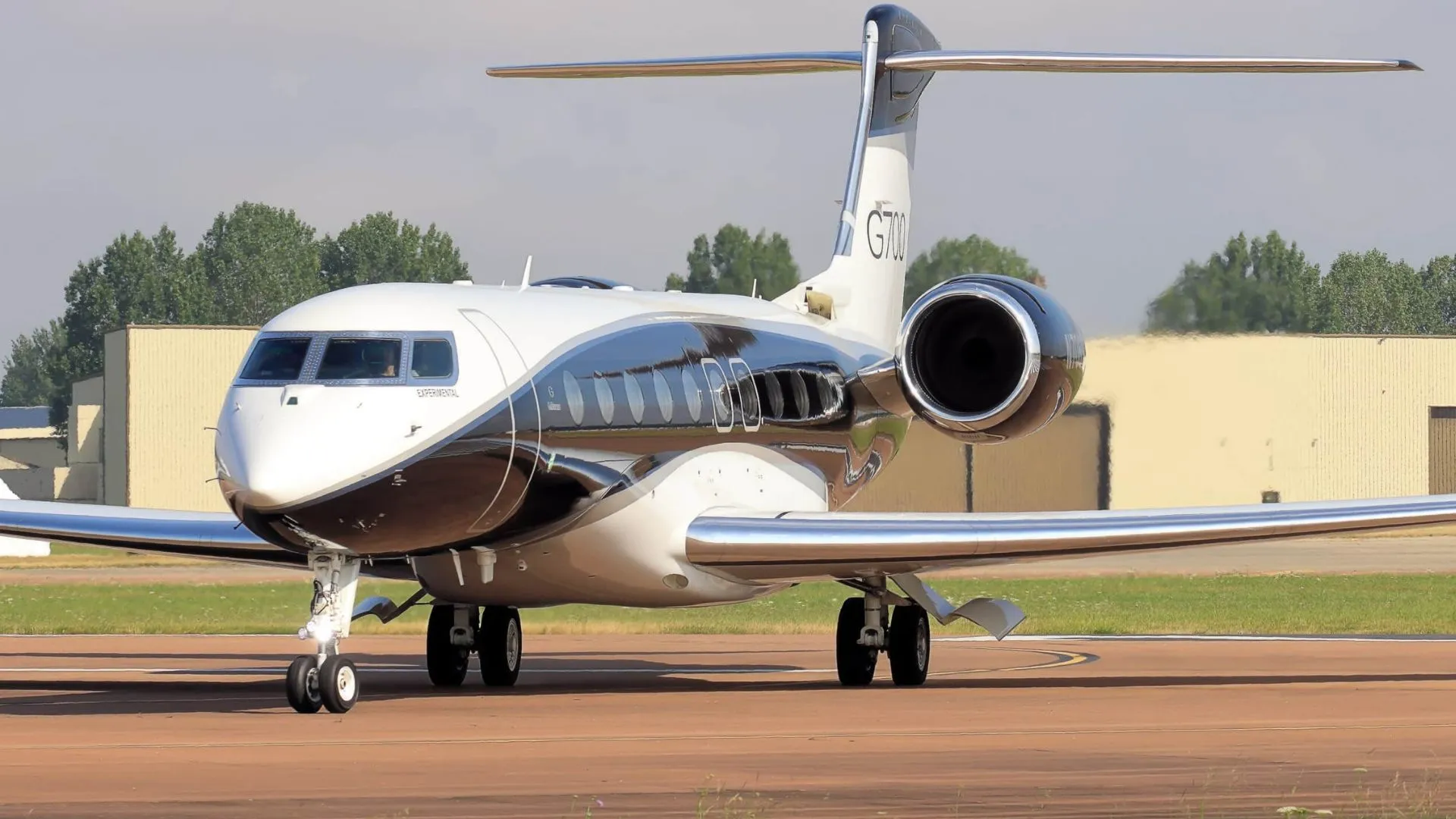
- Large Cabin / Ultra-Long-Range (e.g., G650, Global 7500): 12–19 passengers, 5,000–7,700 nm range. For global missions and the ultimate cabin experience. Purchase: $35M–$78M.
Understanding True Costs
The acquisition price is just the beginning. Before you commit, you need a clear picture of the annual operating costs. Here's a realistic breakdown for a mid-size jet flying 300 hours annually:
| Cost Category | Annual Estimate |
|---|---|
| Crew (2 pilots, salaries + benefits) | $350,000 – $500,000 |
| Maintenance reserves & scheduled | $200,000 – $400,000 |
| Insurance (hull + liability) | $40,000 – $80,000 |
| Hangarage | $30,000 – $120,000 |
| Fuel (300 hrs × $2,500/hr avg) | $600,000 – $900,000 |
| Management fee | $60,000 – $180,000 |
| Navigation/landing/handling fees | $30,000 – $60,000 |
| Training (recurrent) | $30,000 – $50,000 |
| Total Annual Operating Cost | $1.34M – $2.29M |
These numbers aren't meant to discourage — they're meant to prepare. Aircraft ownership delivers extraordinary value when properly planned. The key is entering the process with clear-eyed awareness of total cost of ownership (TCO) and structuring your ownership to maximize tax efficiency and operational value.
The Pre-Purchase Inspection
The pre-purchase inspection (PPI) is the single most important step in your acquisition — and the one step that should never be compromised. A thorough PPI protects you from hidden mechanical issues, undisclosed damage history, and deferred maintenance that can cost hundreds of thousands of dollars to resolve.
What a PPI Covers
- Airframe inspection: Structural integrity, corrosion, damage history, skin condition, landing gear
- Engine evaluation: Borescope inspections, performance trending, oil analysis, time and cycles remaining
- Avionics review: System functionality, software versions, modification compliance
- Records audit: Logbook completeness, AD compliance, SB status, previous damage disclosure
- Interior assessment: Seat condition, cabinetry, carpet, lavatory, galley, entertainment systems
Budget $25,000–$75,000 for the inspection (depending on aircraft size) and 5–10 business days. Always use a facility that is independent from the seller. Your acquisition advisor should recommend facilities with model-specific expertise.