Fixed Base Operator: A 1920s Term for a Modern Business
An FBO, or Fixed Base Operator, is a commercial business licensed to operate on a public-use airport and provide aeronautical services to general aviation users. The term originates from the 1920s, when barnstormers operated from temporary airfields. Operators who established permanent facilities at fixed locations became 'fixed base' operators, distinguishing them from itinerant pilots who moved between fields. Today, the FAA recognizes over 3,000 FBOs across the United States, ranging from single-hangar operations at rural strips to $50M-plus facilities at major metropolitan airports.
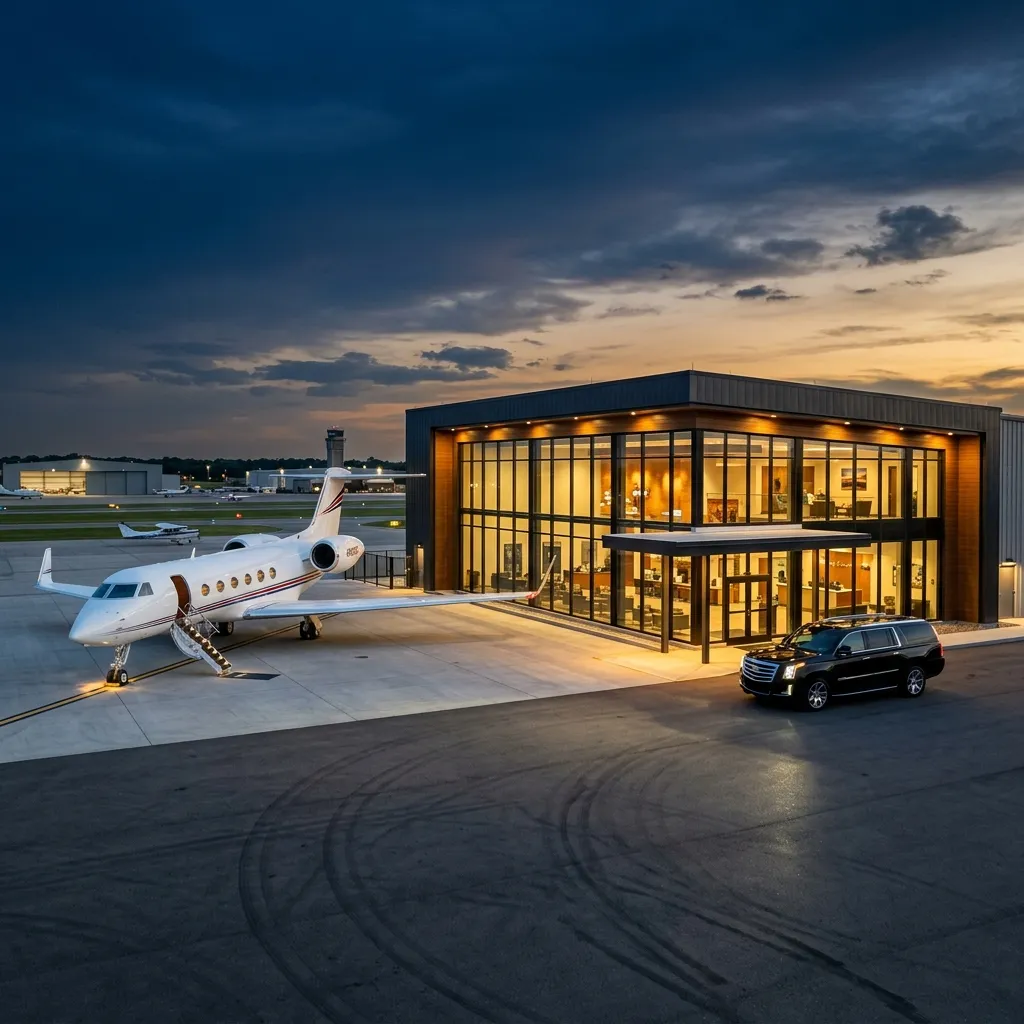
For passengers, the FBO replaces everything a commercial terminal provides: check-in, waiting area, ground transportation staging, baggage handling, and customs processing. For aircraft operators, the FBO provides fuel, parking, hangar space, ground power, lavatory service, catering coordination, and maintenance referrals. The FBO is simultaneously the gas station, hotel lobby, and concierge desk of private aviation.
$1.50/gal
Fuel Price Variance
How FBOs Make Money: Fuel Margins and the Flowage Fee
The primary revenue source for every FBO is fuel. An FBO purchases Jet-A from a fuel supplier (typically a major oil company or fuel distributor) at wholesale cost and resells it to aircraft operators at retail pricing. The margin between wholesale and retail is where the business lives. In 2026, wholesale Jet-A averages $3.80-$4.50 per gallon depending on location and volume. Retail pricing at FBOs ranges from $5.00/gal at competitive rural locations to $9.50/gal at high-demand metropolitan airports.
That $1.50-$5.00 per gallon spread is the core economics of the FBO business. A Gulfstream G650 taking 3,000 gallons at $7.00/gal generates $21,000 in fuel revenue. At a $3.00/gal margin, the FBO earns $9,000 on that single fuel stop. A Phenom 300 taking 400 gallons at the same price generates $2,800 in revenue and $1,200 in margin. Volume drives everything.
Ramp fees and hangar rental
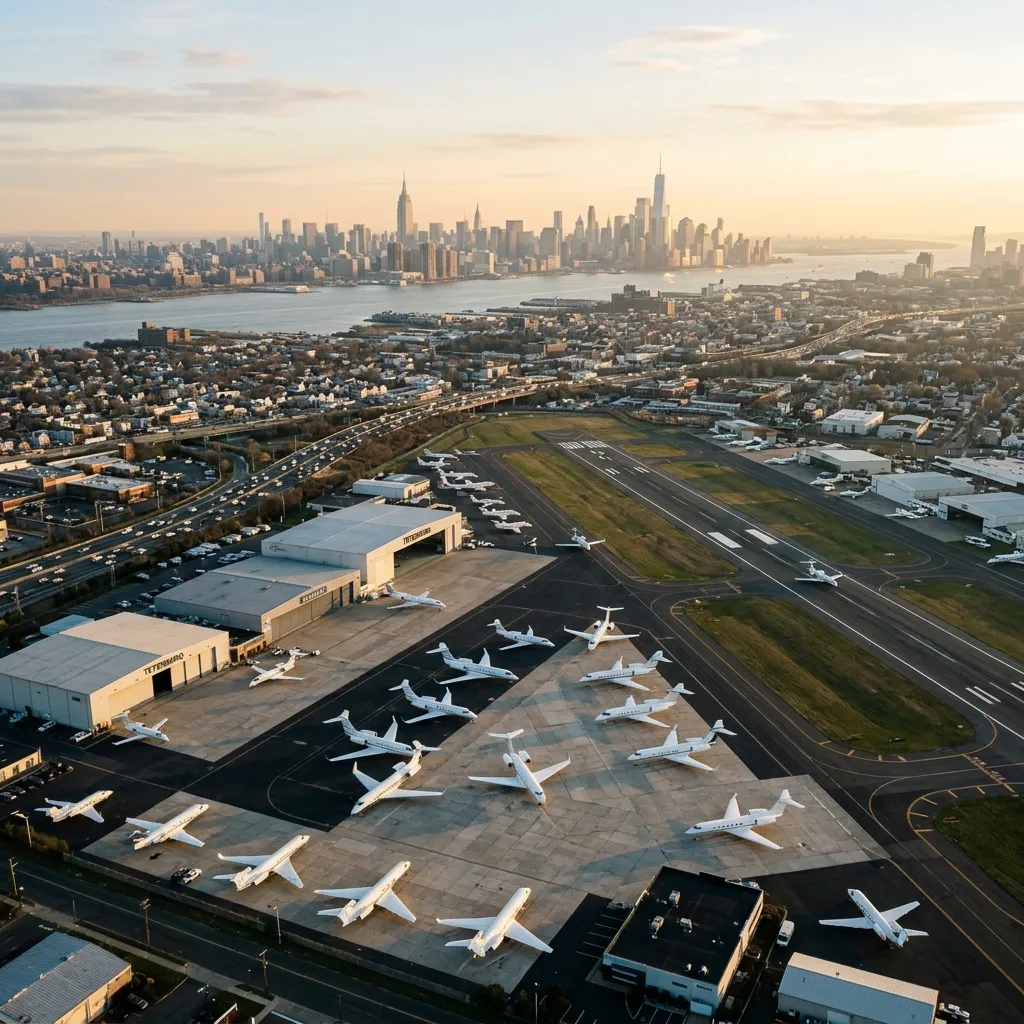
FBOs charge ramp fees for aircraft that park on the tarmac without purchasing fuel. These fees range from $50-$150 at smaller airports to $250-$500 at busy metropolitan locations. Most FBOs waive ramp fees entirely when pilots purchase a minimum fuel quantity, typically 50-200 gallons depending on the facility. Hangar rental for overnight or extended stays runs $200-$1,500 per night depending on aircraft size and airport location. During peak periods at airports like Teterboro and Van Nuys, hangar space sells out days in advance.
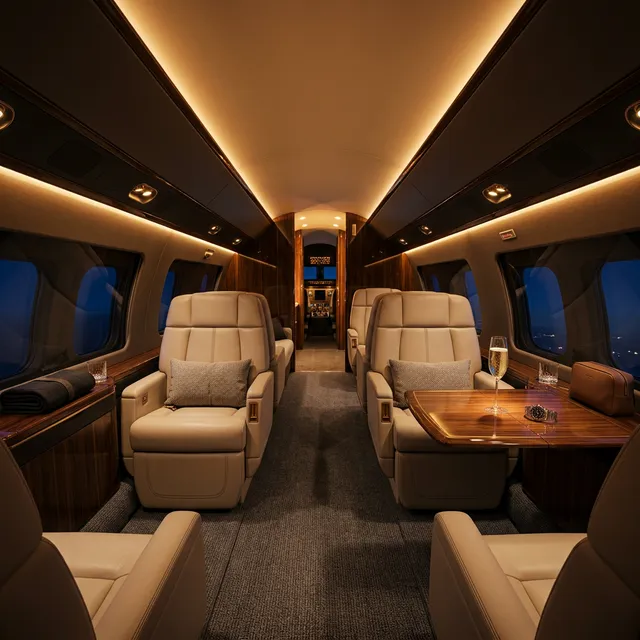
The fuel margin model creates a counterintuitive dynamic: the FBO that charges the highest fuel price often provides the best passenger experience, because the margin funds the facility, the staff, and the amenities. The FBO with the cheapest fuel may operate from a modular building with plastic chairs and a coffee machine from 2009. You get what the fuel price pays for.
What Services Does an FBO Provide?
The service scope varies by FBO size and location, but the core offerings are consistent across the industry:
- Fuel service: Jet-A and 100LL (for piston aircraft). Self-service is rare; most FBOs provide full-service fueling with trained line technicians. Fuel trucks deliver directly to the aircraft on the ramp.
- Aircraft parking: Ramp (outdoor) or hangar (indoor) parking. Ramp parking is typically included with fuel purchase. Hangar parking protects aircraft from weather, heat, and UV damage.
- Ground transportation: Rental cars, courtesy cars, black car/SUV service, and limousine coordination. Most FBOs maintain relationships with local ground transport providers and can arrange pickup within 15-30 minutes of landing.
- Passenger lounge: Waiting areas with seating, Wi-Fi, restrooms, refreshments, and in many cases, private suites and conference rooms. High-end FBOs offer showers, sleeping rooms, and business centers.
- Baggage handling: Line service personnel load and unload passenger luggage directly between vehicles and aircraft. No belt system, no carousel, no baggage claim.
- Customs and immigration: FBOs at designated Ports of Entry provide CBP (Customs and Border Protection) processing for international arrivals. Passengers clear customs inside the FBO terminal.
- Catering coordination: FBOs arrange in-flight catering from local providers or national services. Orders are delivered to the aircraft before departure.
- GPU and APU service: Ground power units supply electrical power to parked aircraft, eliminating the need to run engines or the onboard auxiliary power unit while on the ground.
Need Help Selecting an FBO?
We coordinate with FBOs across the country. Tell us your routing and we handle the ground logistics.
Contact Us →The Three FBO Chains That Control Most of the Market
FBO ownership has consolidated dramatically over the past two decades. Three companies now control approximately 60% of all fuel volume at U.S. general aviation airports:
Signature Aviation
Signature operates over 200 locations worldwide, making it the largest FBO network. Acquired by Global Infrastructure Partners (GIP) in 2021, Signature maintains facilities at nearly every major U.S. business aviation airport. Their scale provides consistent service standards but pricing tends to sit at the higher end of the market. Signature's TailWins loyalty program allows operators to accumulate fuel credits across the network.
Atlantic Aviation
Atlantic operates approximately 100 locations in the United States. Acquired by KKR in 2021 and subsequently merged with several smaller chains, Atlantic has grown aggressively through acquisition. Their facilities range from purpose-built terminals to older properties acquired from independent operators. Fuel pricing is generally competitive with Signature, though individual location pricing varies significantly.
Jet Aviation
Owned by General Dynamics (Gulfstream's parent company), Jet Aviation operates a smaller network focused on premium locations. Their facilities tend to be newer, better-maintained, and more expensive. Gulfstream operators often receive preferred pricing and priority service. Jet Aviation also offers aircraft management, completions, and MRO services alongside FBO operations, creating an integrated service offering that pure FBO chains cannot match.
How to Choose an FBO: What Operators Actually Evaluate
Charter passengers rarely choose their FBO directly; the operator or broker selects based on a combination of factors. But understanding what drives that selection helps you ask the right questions:
| Factor | Budget FBO | Mid-Range FBO | Premium FBO |
|---|
| Jet-A Fuel Price | $5.00-$5.75/gal | $5.75-$7.00/gal | $7.00-$9.50/gal |
| Ramp Fee (waivable) | $0-$75 | $75-$200 | $200-$500 |
| Hangar (overnight) | $100-$300 | $300-$700 | $700-$1,500 |
| Passenger Lounge | Basic | Comfortable | Private suites |
| Wi-Fi | Yes | Yes | High-speed |
| Conference Rooms | No | Sometimes | Yes |
| Ground Transport | Courtesy car | Rental + car service | Concierge-arranged |
| Hours | 7 AM - 10 PM | 6 AM - 11 PM | 24/7 |
| Customs (CBP) | Varies | Some locations | Yes |
- Fuel contract pricing: Operators with volume contracts at specific FBOs save $0.50-$1.50 per gallon over posted retail rates. A charter operator fueling 200,000 gallons per year negotiates pricing that a transient aircraft paying retail cannot access.
- Ramp accessibility: Some FBOs have congested ramps during peak hours, creating taxi delays and awkward parking configurations. Operators prefer FBOs where their aircraft can be marshaled quickly and parked without blocking other traffic.
- Customs capability: For international arrivals, the FBO must have CBP staffing and a designated customs area. Not all FBOs at international airports offer this service.
- Hangar availability: In hot climates (Phoenix, Las Vegas, South Florida) and cold climates (Teterboro in January), hangar storage protects the cabin environment. An FBO with no available hangar space during a summer Phoenix layover means a 140°F cabin when passengers reboard.
- Crew amenities: Pilot lounges with rest areas, snooze rooms, and crew cars matter for duty-time management on long days. An FBO that treats the crew well usually treats the passengers well.
The Case for Independent FBOs
Not every airport has a Signature or Atlantic location. Approximately 40% of FBOs in the United States are independently owned and operated. These range from family businesses running a single hangar to well-capitalized regional operators with 3-5 locations.
Independent FBOs frequently offer lower fuel pricing, less ramp congestion, and a more personalized service model than chain locations. The tradeoff: facilities may be older, amenities more limited, and hours of operation restricted. An independent FBO at a secondary airport might close at 10 PM, while a Signature location at a major hub maintains 24/7 staffing.
For charter operators positioning aircraft or conducting fuel stops where passenger experience is less critical, independent FBOs represent genuine cost savings. A fuel stop at an independent FBO in the Southeast at $5.25/gal versus a Signature location at $7.00/gal saves $5,250 on a 3,000-gallon fill. Over a year of operations, those savings compound to six figures.
The best FBO for your flight depends on whether the priority is the passenger experience or the operating cost. For arrival and departure points where passengers interact with the facility, the premium FBO earns its margin. For fuel stops and positioning legs, the cheapest legal fuel is the right fuel.