Hourly Rate Breakdown
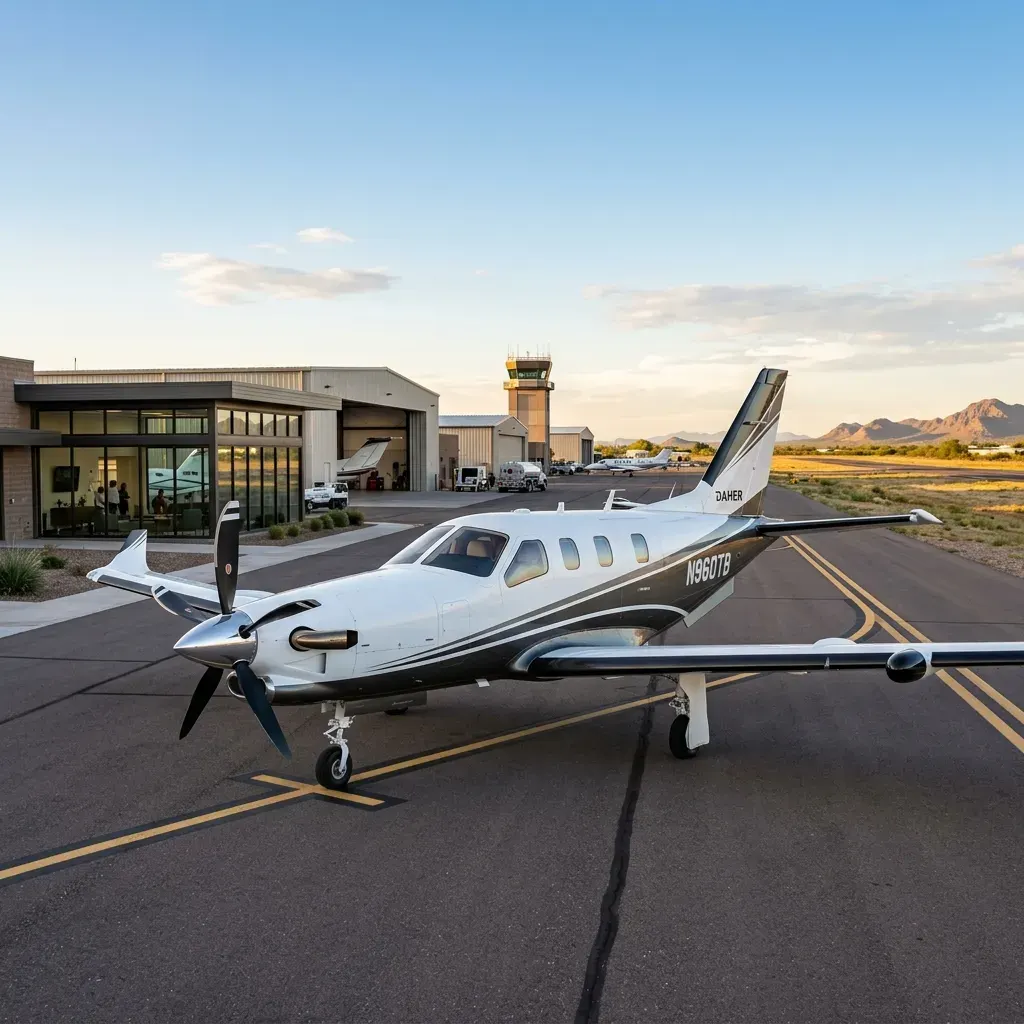
TBM 960 charter rates in the U.S. market range from $2,200 to $2,800 per flight hour as of mid-2026. This is the occupied hourly rate, meaning it applies only to the time the aircraft is airborne with passengers. Positioning legs, where the aircraft flies empty to reach you, are billed separately or bundled into the total trip cost depending on the operator.
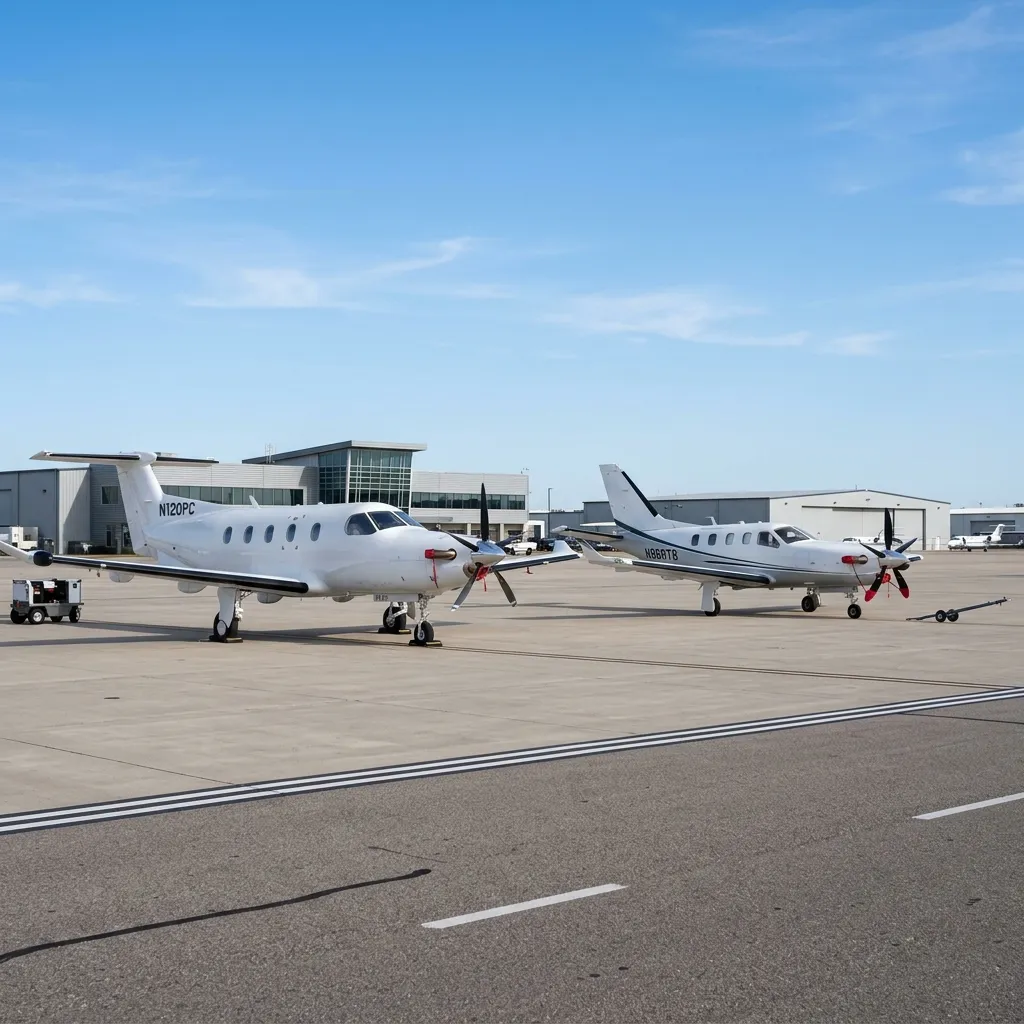
The rate gap between a TBM 960 and a light jet like the CJ3 or Phenom 300 is significant. On a 500 nm flight, the TBM saves $1,500 to $2,000 compared to a light jet. The tradeoff is speed: the TBM takes approximately 90 minutes where a CJ3 takes 75. For flights under 600 nm, most passengers find that 15-minute difference irrelevant relative to the cost savings.
The 960's PT6E-66XT engine with autothrottle and integrated EGNOS/WAAS approach capability makes it operationally efficient for operators. Single-pilot operation reduces crew cost. Combined with the low fuel burn, this gives operators margin to quote competitive rates while maintaining profitability, which is why TBM charter availability has expanded significantly since 2023.
Sample Route Pricing
These estimates include standard fuel surcharges and FBO fees at destination. They do not include positioning costs if the aircraft must reposition from a different base. One-way pricing is typically 60 to 75% of round-trip pricing because the operator must reposition the aircraft after dropping you off. Round-trip pricing with a wait or overnight is almost always more economical.
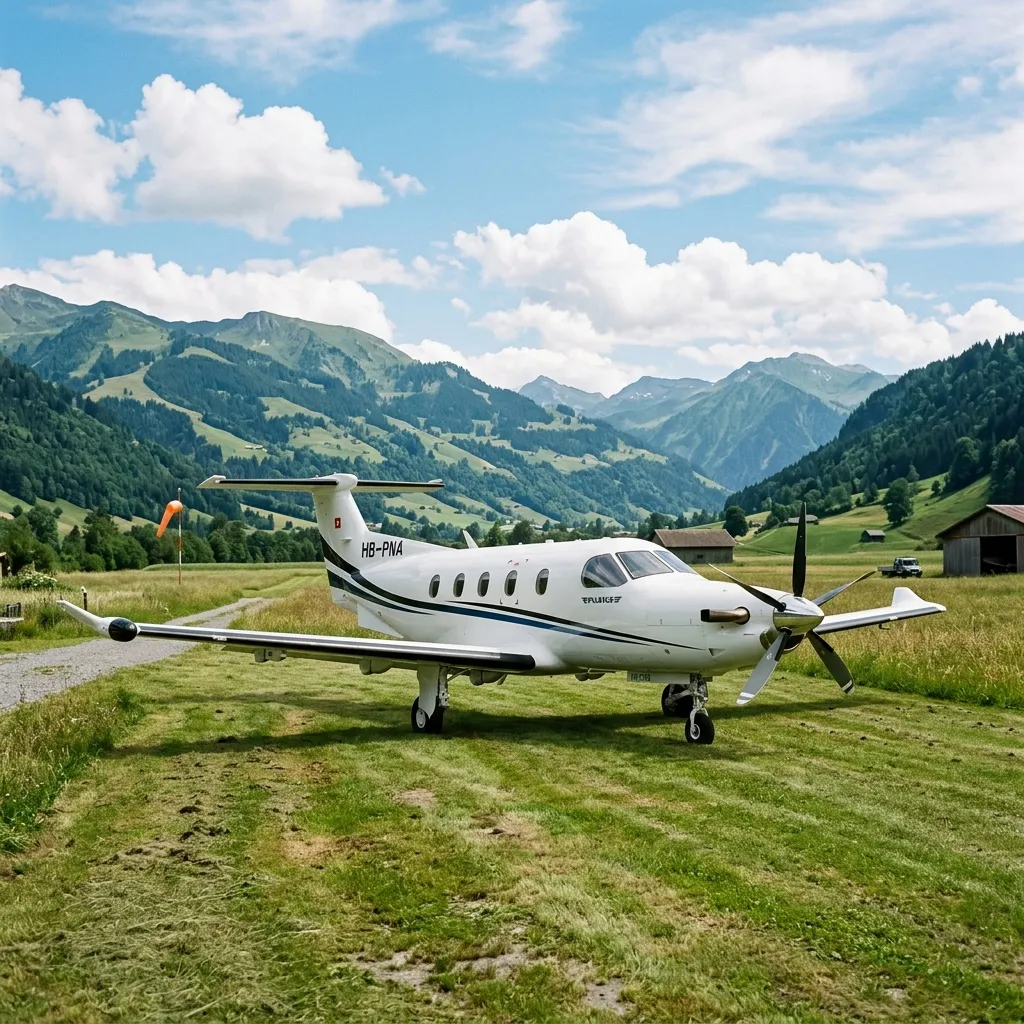
The TBM 960 is particularly cost-effective on short-haul routes under 400 nm. Island hops, mountain approaches, and regional business trips are where this aircraft delivers maximum value per dollar. It also accesses shorter runways than most jets: the TBM needs only 2,380 feet for takeoff and 2,070 feet for landing, opening airports that Citation CJ3s and Phenom 300s cannot reach.
When the TBM 960 Makes Sense Over a Jet
The TBM is the right aircraft when the mission is under 600 nm, the passenger count is five or fewer, and the departure or arrival airport has a short runway. Mountain destinations like Aspen (ASE), Telluride (TEX), and Jackson Hole (JAC) are prime TBM territory. The aircraft's single-engine turboprop design gives it short-field performance that most jets cannot match.
It is not the right aircraft when you need to cover more than 800 nm nonstop, when you have more than five passengers, or when speed is the primary constraint. A corporate executive flying New York to Chicago for a same-day meeting is better served by a CJ3 at 415 knots than a TBM at 330. The 20-minute time savings on that route justifies the higher hourly rate for time-sensitive travelers.
The TBM 960 occupies a specific niche: it is the most economical pressurized aircraft you can charter for short regional flights. If you are chartering a light jet for a 300 nm flight with three passengers, you are almost certainly overpaying relative to what a TBM would cost for the same mission.