The Structure: Prepaid Hours at Fixed Rates
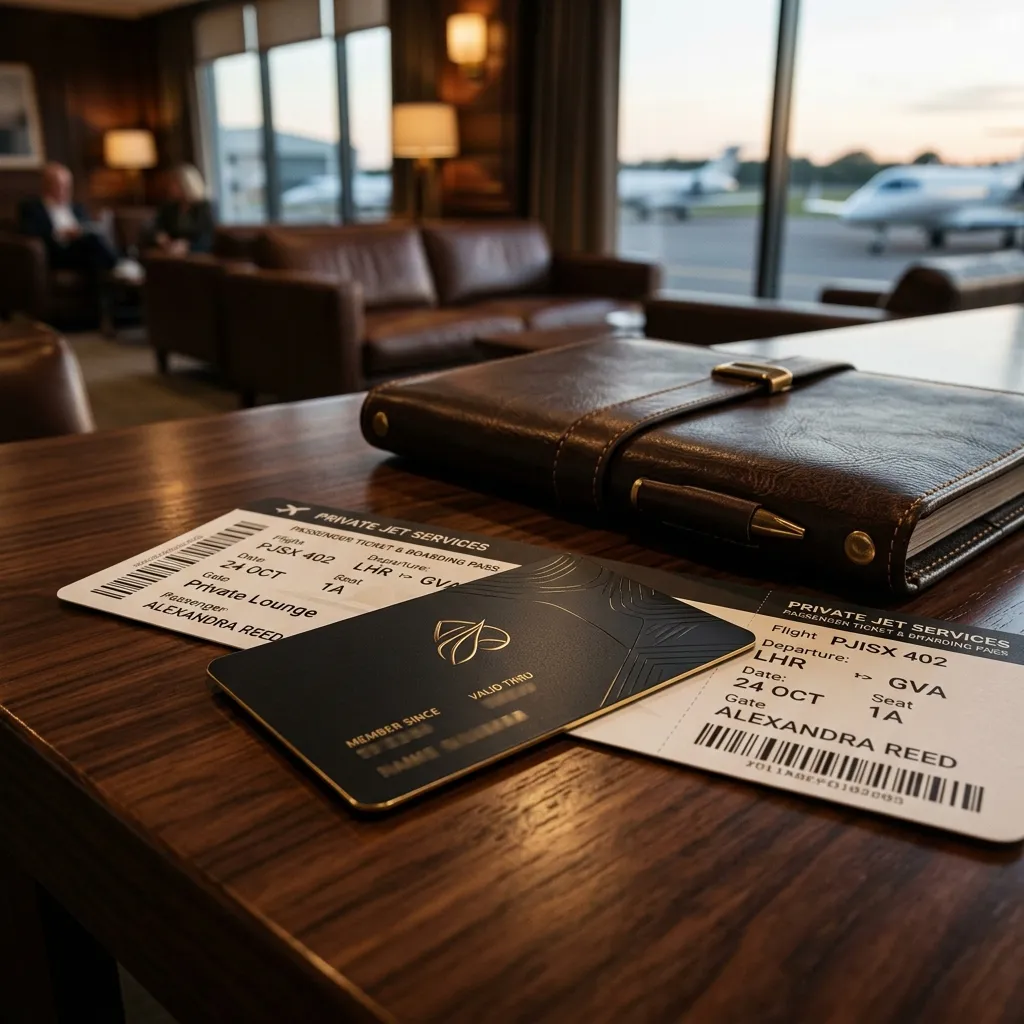
A jet card is a prepaid block of flight hours purchased from a charter operator or aviation company. You deposit funds upfront, typically for 25 hours, and draw down against that balance as you fly. The hourly rate is locked at the time of purchase. No surge pricing. No repositioning surprises. No line-item invoice dissection after every flight.
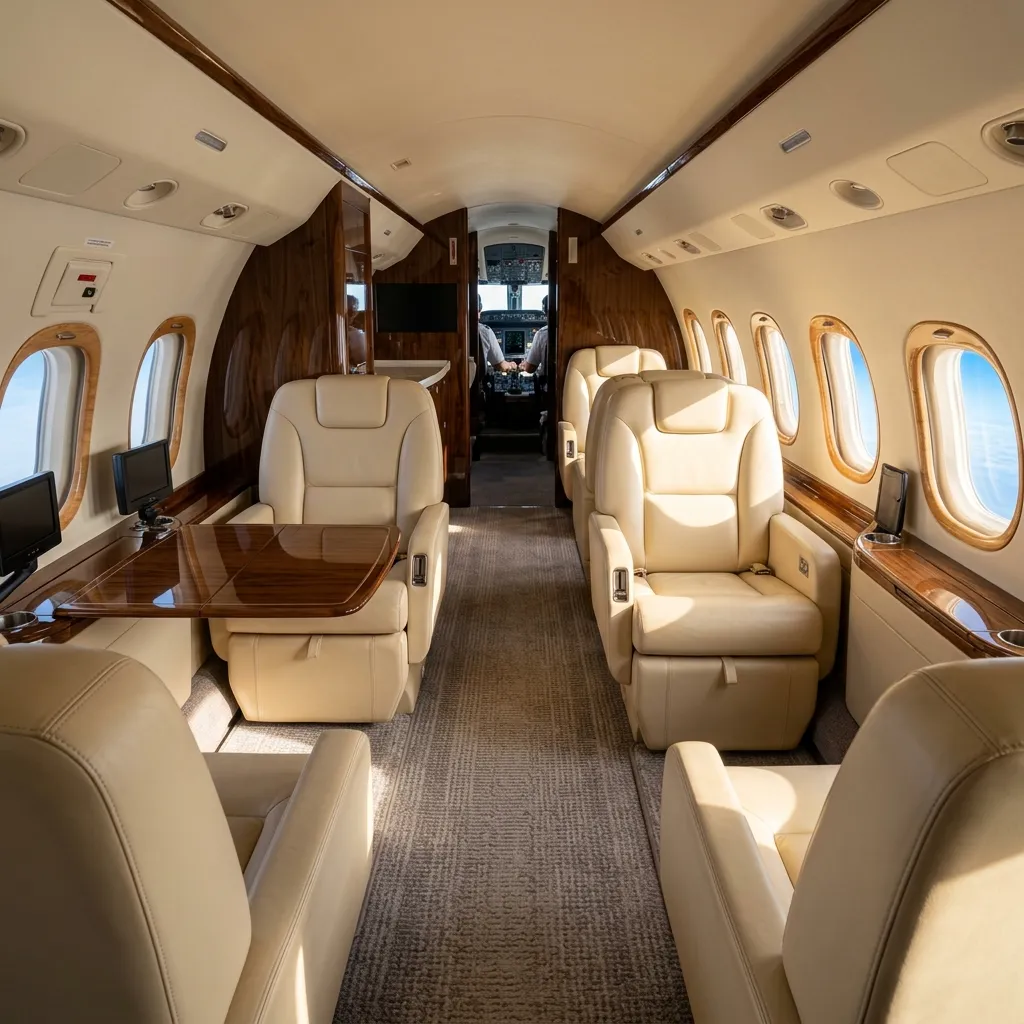
The concept is straightforward. The execution varies dramatically between providers. Some jet card programs own their fleet. Others broker hours on third-party aircraft. Some guarantee a specific aircraft category (light, midsize, heavy). Others guarantee a specific model. The differences are not cosmetic. They determine what you actually get when you call at 2 PM on a Friday asking for a jet to Aspen tomorrow morning.
Entry-level jet card programs for light jets start around $5,200 to $6,800 per hour, with a 25-hour minimum purchase. That puts the initial deposit between $130,000 and $170,000. Heavy jet cards run $10,500 to $14,500 per hour, pushing the entry deposit to $262,000 to $362,000. These are not membership fees. The deposit represents prepaid flight hours that you will use. If you exhaust them, you reload. If you don't fly, the funds typically sit in your account for 12 to 24 months before expiration triggers apply.
Major Programs Side by Side
The jet card market has consolidated around a handful of dominant providers. Each structures its program differently, and the differences matter more than the marketing suggests.
Rate differences between providers reflect fleet quality, availability guarantees, and service scope. NetJets' Marquis Jet Card commands the highest rates because it draws from NetJets' owned fleet of 845+ aircraft, guaranteeing availability with as little as 10 hours notice. XO offers lower rates but sources aircraft from a broader network of third-party operators, which can introduce variability in cabin condition and service consistency.
A critical distinction: some programs quote "all-in" rates that include fuel, taxes, and crew. Others quote base rates with fuel surcharges, FET, and segment fees added separately. A $5,200 per hour "base rate" can become $6,400 per hour after surcharges. Always request the fully loaded cost before comparing programs.
The 50-Hour Threshold
Jet cards make financial sense when three conditions align: you fly 50 or more hours annually, your travel patterns are predictable enough to commit to a category, and you value rate certainty over cost minimization. Below 50 hours, ad-hoc charter almost always costs less. Above 100 hours, fractional ownership begins to compete.
If you flew 35 hours last year and expect the same this year, a jet card is a deposit you are making on convenience, not savings. The rate lock protects you from nothing, because ad-hoc charter rates for the same routes would have cost you 8 to 12% less without the upfront commitment.
Where the Rate Lock Pays Off
The locked rate becomes valuable during peak demand periods. Thanksgiving week, the Super Bowl, Art Basel, Masters week, and the December holiday corridor all see ad-hoc charter rates spike 30 to 60% above baseline. A jet card holder flying Teterboro to Palm Beach on December 22 pays their fixed rate. The ad-hoc charter passenger requesting the same route that week is quoting $12,000 to $15,000 per hour for a light jet that normally costs $5,500.
However, many jet card programs impose blackout dates or surcharges during these exact peak periods. Read the contract carefully. If your primary use case is holiday travel, confirm in writing that the peak dates you need are covered at the fixed rate, without surcharges or mandatory round-trip requirements.
Not Sure If a Jet Card Fits Your Travel Pattern?
Our team can analyze your annual flight hours and recommend whether a jet card, ad-hoc charter, or fractional share makes the most sense.
Talk to Our Team →What the Brochure Doesn't Mention
Jet card programs generate revenue beyond the hourly rate. Understanding the ancillary cost structure separates informed buyers from surprised ones.
- Ferry/repositioning fees: Some programs include positioning in the hourly rate. Others charge separately for the time it takes to fly the aircraft from its base to your departure airport. This can add 30 to 90 minutes of billable time to a flight.
- Peak day surcharges: Programs that do not impose blackout dates often apply surcharges of $1,000 to $3,000 per flight segment during high-demand periods.
- Taxi time billing: Most programs bill from engine start to engine shutdown, not takeoff to landing. At congested airports like Teterboro (TEB) or Van Nuys (VNY), taxi times of 15 to 25 minutes each way add 30 to 50 minutes of billable time to a roundtrip.
- International surcharges: Flights to Canada, Mexico, Caribbean, and Europe typically incur additional charges of $2,500 to $8,000 per international segment for customs handling, overflight permits, and international fuel surcharges.
- Expiration policies: Unused hours typically expire 12 to 24 months after purchase. Some programs offer extensions for a fee. Others forfeit the balance. A 25-hour card with 8 unused hours at expiration represents $42,000 to $116,000 in lost value.
These line items do not appear in the headline hourly rate. A jet card advertised at $5,900 per hour can effectively cost $7,200 to $7,800 per hour when all ancillary charges are allocated across actual flight hours used.
Jet Card vs Charter vs Fractional: Where Each Wins
The access model decision depends on three variables: annual flight hours, travel predictability, and tolerance for variability. Each model occupies a different band on the cost-convenience spectrum.
Under 40 Hours Per Year
Ad-hoc charter wins. You pay market rate for each flight, which will be lower than jet card rates in non-peak periods. You accept pricing variability and availability risk, but for infrequent flyers, the savings typically exceed 10 to 15% compared to a jet card when measured over a full year.
40 to 100 Hours Per Year
Jet cards compete strongly here. The rate lock provides budget predictability. Guaranteed availability (with notice) eliminates the scramble for aircraft during busy periods. The upfront deposit is significant but amortizes over enough hours to justify the convenience premium.
100 to 200 Hours Per Year
Fractional ownership enters the conversation. A 1/16th share in a Challenger 350 costs approximately $1.2 million with monthly management fees of $18,000 to $22,000 and occupied hourly rates of $4,200 to $5,500. At 100+ hours per year, the per-hour cost can drop below jet card rates while guaranteeing access to a specific aircraft.
200+ Hours Per Year
Full ownership. At 200 or more hours annually, the fixed costs of ownership (hangar, insurance, crew, maintenance reserves) spread enough to bring the per-hour cost below both fractional and jet card rates. The tradeoff: you assume all operational responsibility, or you hire a management company.
Seven Questions Before You Sign
Jet card contracts are binding financial commitments. Before depositing six figures, confirm the following in writing from the provider:
- 1. Is the quoted rate all-inclusive? Get a written breakdown of what is and is not included. Fuel surcharges, FET, segment fees, de-icing, and international supplements can add 15 to 30% to the headline rate.
- 2. What are the blackout dates? Request the complete list of peak/restricted dates for the upcoming 12 months. Cross-reference against your expected travel calendar.
- 3. How is availability guaranteed? Ask for the specific lead time required (8 hours, 24 hours, 48 hours). Ask what happens if no aircraft is available at your requested time. Some programs downgrade you to a smaller jet at the same rate; others rebook you.
- 4. What happens to unused hours? Confirm the expiration timeline (12, 18, or 24 months), whether extensions are available, and the cost of an extension if offered.
- 5. Who operates the aircraft? Determine whether the program flies its own fleet or brokers through third parties. If brokered, ask about vetting criteria for the third-party operators.
- 6. How is billing calculated? Confirm whether billing starts at engine-on or wheels-up. The difference at a congested airport like TEB or LAX can be 30+ minutes of billable time per flight.
- 7. What is the cancellation policy? Understand the refund structure. Some programs offer full refunds minus a processing fee if you cancel within 30 days. Others retain 10 to 15% of the deposit regardless of timing.
If a sales representative cannot answer these questions directly, or deflects to "we'll work that out later," that is the answer. Move on.