The ATP Certificate: Minimum Entry Point
Every pilot-in-command (PIC) of a business jet operated under FAR Part 135 (on-demand charter) must hold an Airline Transport Pilot (ATP) certificate. The ATP requires a minimum of 1,500 total flight hours, including 500 hours of cross-country time and 100 hours of night flying. Most charter jet PICs exceed these minimums significantly, with 3,000-8,000 total hours being typical in the Part 135 workforce.
$15,000-$45,000
Type Rating Cost
2,500 hrs
Part 135 PIC Minimum
12 months
Recurrency Check Interval
40+ hours
Simulator Training
The ATP written exam covers advanced aerodynamics, high-altitude meteorology, instrument approach procedures, crew resource management, and FAR Part 135 regulatory knowledge. The practical test (check ride) is conducted in the specific aircraft type or an FAA-approved Level D full-motion flight simulator. Failure rates on ATP check rides run 15-20%, making it the most demanding pilot certificate the FAA issues.
Type Ratings: Learning a Specific Aircraft
An ATP certificate qualifies a pilot to fly jets generally. A type rating qualifies them to fly a specific jet. The FAA requires separate type ratings for each aircraft type a pilot operates. A pilot typed in a Citation CJ4 cannot fly a Challenger 350 without completing the CL-30 type rating course, passing an oral exam, and demonstrating proficiency in the simulator or aircraft.
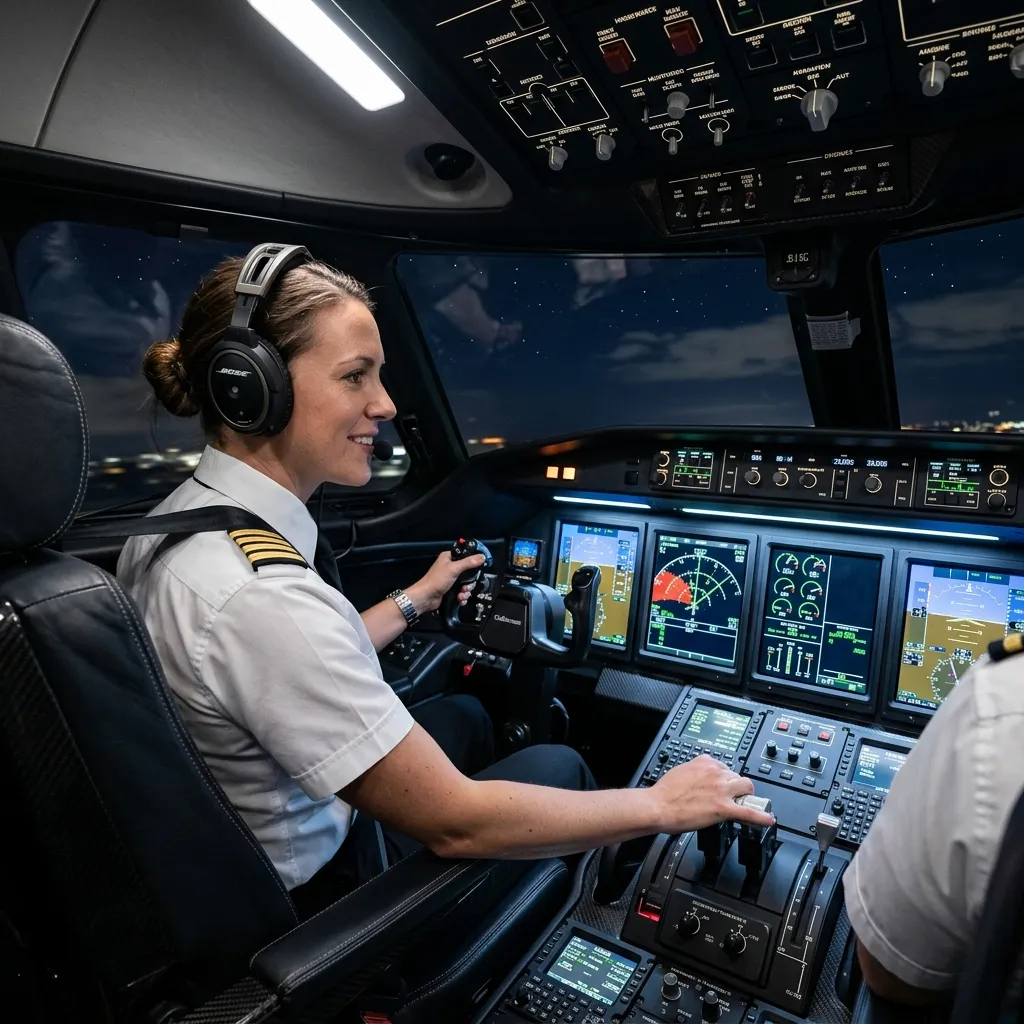
Type rating courses combine ground school (aircraft systems, limitations, emergency procedures) with 20-40 hours of simulator training in Level D full-motion simulators that replicate the cockpit and flight characteristics of the actual aircraft. The simulator sessions include engine failures on takeoff, rapid decompressions, electrical failures, hydraulic system malfunctions, and instrument approaches to minimums in simulated weather.
A type rating teaches a pilot how the aircraft fails, not how it flies. Every simulator session is a catalog of emergencies.
Part 135 PIC Requirements: Beyond the Minimums
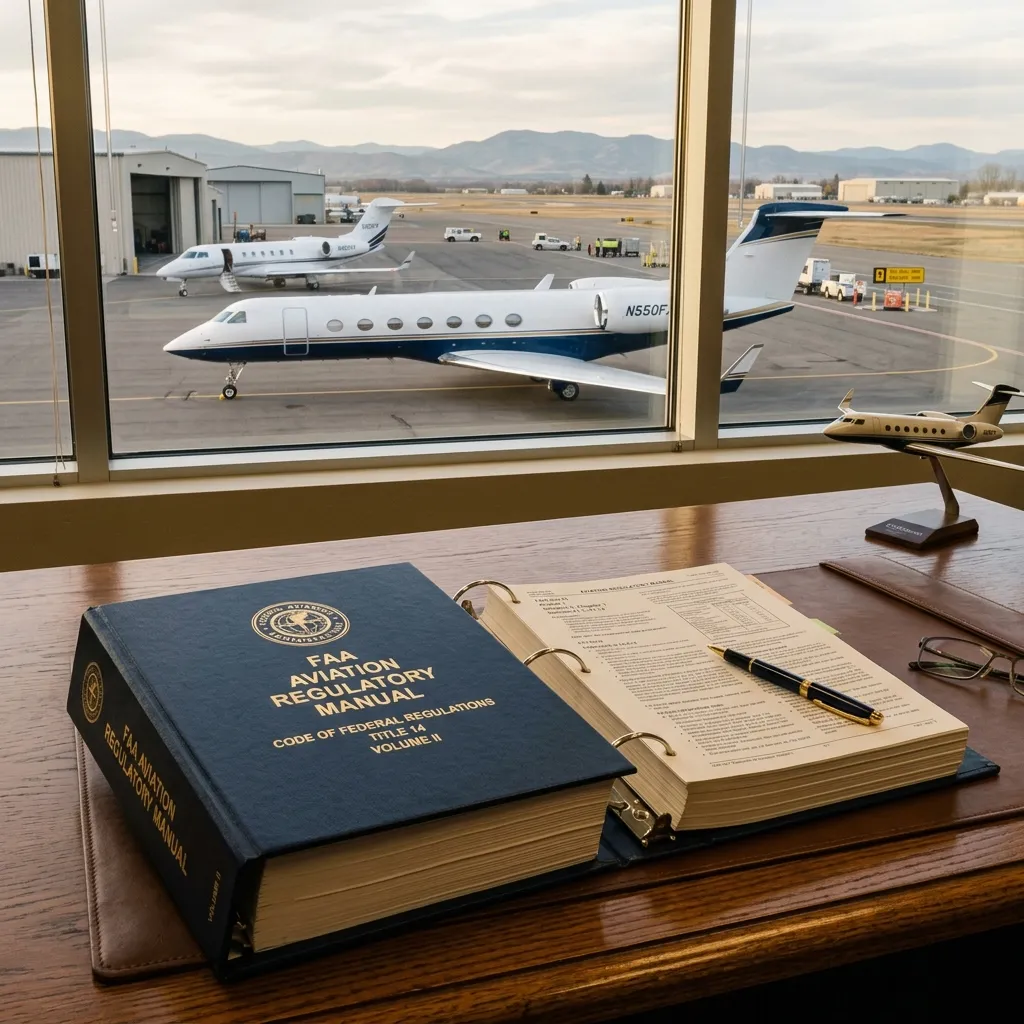
FAR Part 135.243 sets the minimum qualifications for a PIC on an on-demand charter flight: 2,500 total hours, 500 hours cross-country, 100 hours night, and 75 hours instrument. The second-in-command (SIC) minimums are lower at 500 total hours with an instrument rating and a type rating in the aircraft.
What Operators Actually Require
Most reputable charter operators set internal minimums well above FAA requirements. A typical major Part 135 operator requires PIC candidates to have 3,500-5,000 total hours, 1,000 hours in type, and 500 hours as PIC in jet aircraft. These elevated standards reflect insurance requirements (underwriters set their own experience minimums) and the operator's safety culture.
- FAA PIC minimum: 2,500 total hours, 500 cross-country, 100 night, 75 instrument
- Typical operator PIC requirement: 3,500-5,000 total, 1,000+ in type, 500+ PIC in jets
- Insurance company minimum: Varies by hull value; G650 operators typically need PICs with 4,000+ total and 500+ in G-series
- SIC minimum (FAA): 500 total hours, instrument rating, type rating in aircraft
Charter With Confidence
Every operator we work with maintains current pilot training records and FAA compliance documentation.
Contact Us →Recurrent Training: Every 12 Months, No Exceptions
FAR Part 135.293 requires every charter pilot to complete a proficiency check every 12 months. This is not a casual review. The check ride takes place in a Level D flight simulator and includes engine failures, unusual attitudes, instrument approaches to minimums, windshear encounters, and emergency evacuation procedures. A pilot who fails the check ride is grounded until they complete additional training and pass a re-check.
Recurrent training costs operators $8,000-$15,000 per pilot per year, including simulator rental, instructor fees, travel, and lodging at the training center. For a two-pilot operation flying a Challenger 350, that is $16,000-$30,000 annually just to keep both pilots current. The cost is embedded in the hourly charter rate and is one of the reasons charter prices do not drop below the operator's cost floor.
Where Training Happens
FlightSafety International (FSI) and CAE operate the two largest networks of business aviation training centers in the United States. FSI's facilities in Dallas, Savannah, Wilmington, and Teterboro house Level D simulators for most Textron (Citation), Dassault (Falcon), and Embraer (Phenom) types. CAE's centers in Dallas, Burgess Hill (UK), and Dubai cover Bombardier (Challenger, Global) and Gulfstream platforms. A pilot training on a Gulfstream at CAE Dallas spends 3-5 days in the simulator, plus 2 days of ground school, plus a day for the FAA check ride.
CRM: The Human Factor
Crew Resource Management (CRM) training addresses the human factors that cause accidents even when the aircraft and its systems function normally. Communication failures, authority gradients (junior SICs deferring to senior PICs), task saturation during emergencies, and fatigue management are the core CRM topics. FAR Part 135.330 requires CRM training during initial qualification and annually during recurrent programs.
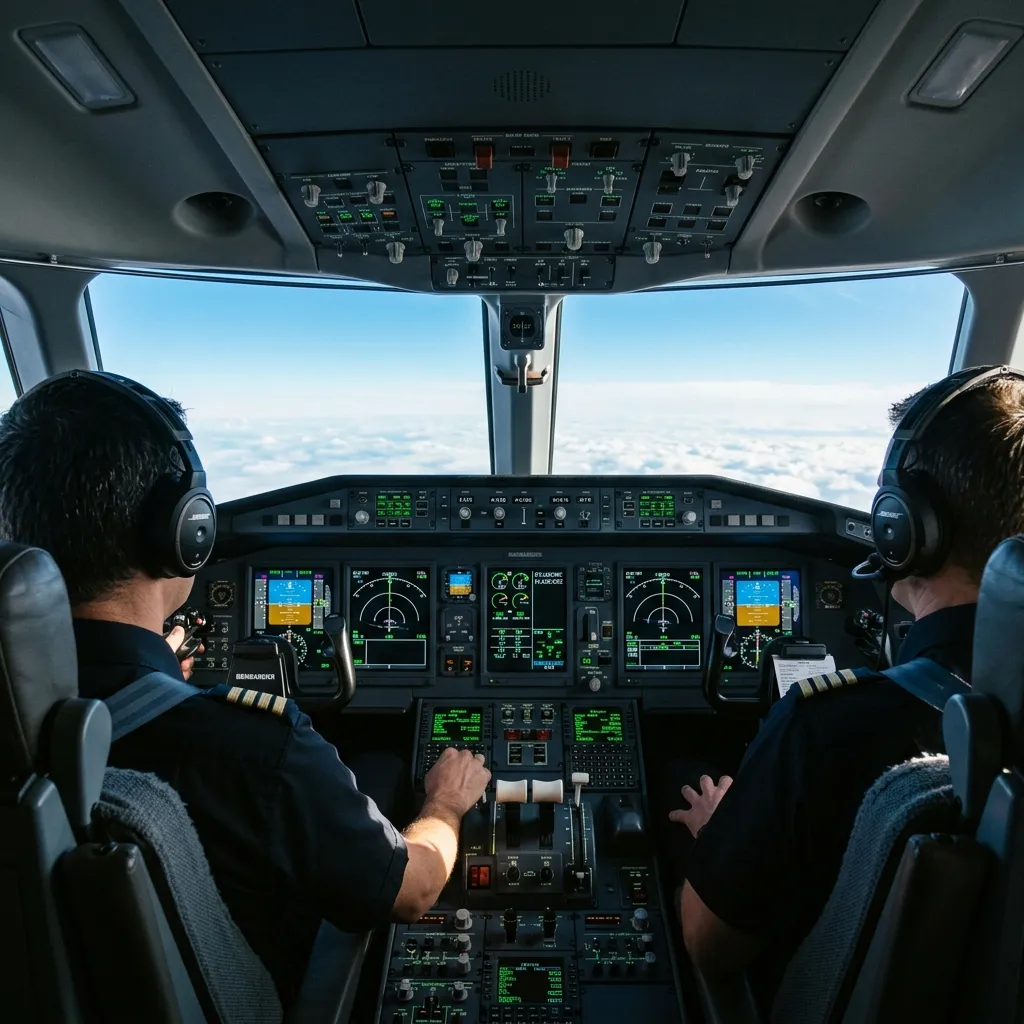
CRM training uses scenario-based exercises in the simulator where the crew must manage cascading failures while communicating, delegating, and maintaining situational awareness. A typical scenario: the PIC becomes incapacitated during an instrument approach in IMC (instrument meteorological conditions) while the SIC manages a partial electrical failure. The SIC must simultaneously assume PIC duties, troubleshoot the electrical system, and execute the approach. These scenarios are designed to induce task saturation and teach crews to prioritize.
For charter passengers, CRM training is invisible. But it is the reason your flight crew communicates clearly during turbulence, coordinates with ATC without hesitation, and handles diversions calmly. The composure you observe in the cockpit is trained, not innate.