Fleet Size by Variant
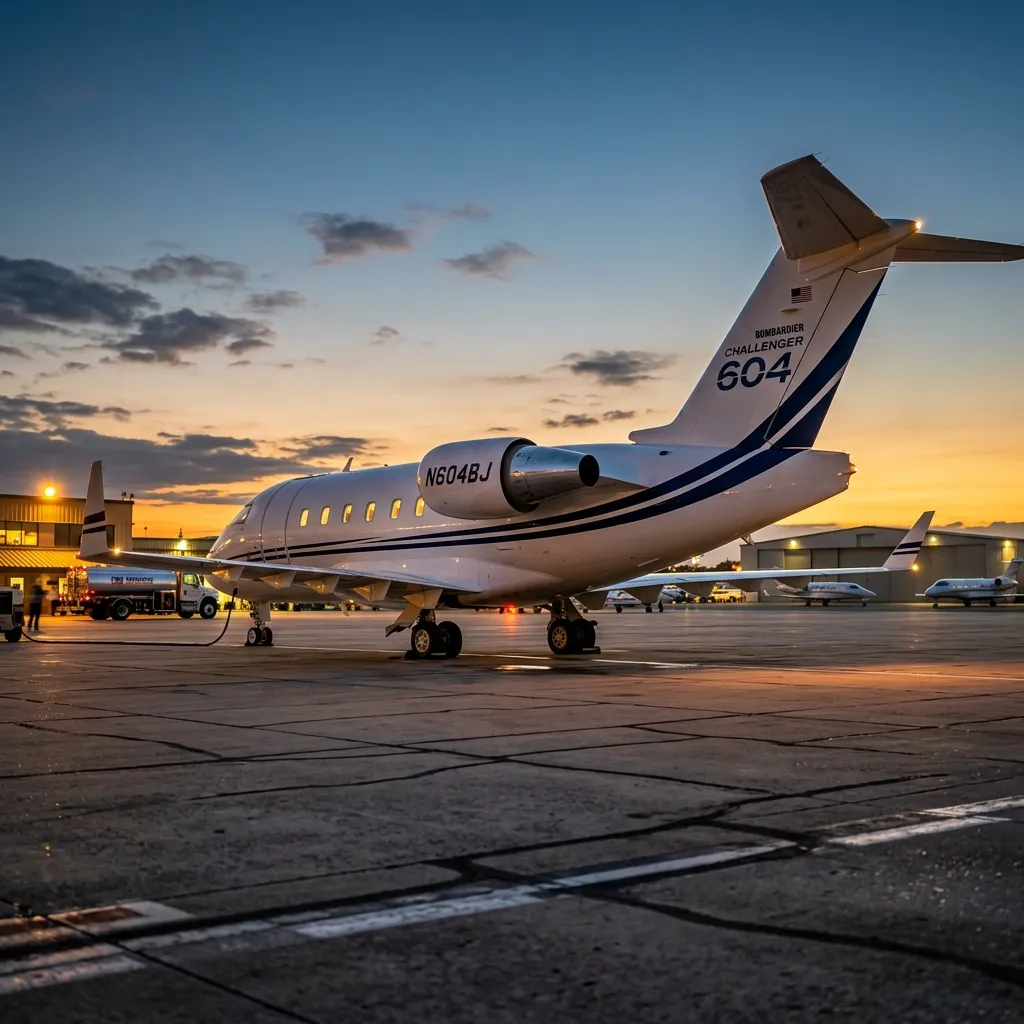
The Challenger 604 and 350 represent the two largest active sub-fleets. The 604's longevity in charter service is remarkable for an aircraft that ended production in 2007. Its wide-body cabin and relatively low acquisition cost on the pre-owned market keep it economically viable for Part 135 operators. The 350 (now marketed as the 3500) is the current production model in the super-midsize segment and continues to outsell competitors.
The original Challenger 600/601 fleet has experienced significant attrition. Of approximately 240 built, fewer than 90 remain in active service. Many were retired due to avionics obsolescence, engine maintenance costs (the early Lycoming ALF 502L engines have limited support), and airframe fatigue. Some have been converted to special missions aircraft or donated to training institutions. The 601-3A/3R variants, which introduced the GE CF34 engine, have fared better with approximately 65% still flying.
Production rates have shifted over time. At its peak in the early 2000s, Bombardier delivered 35 to 40 Challenger 604s per year. The 350 line currently produces 40 to 50 aircraft annually. The transition from 604 to 605 in 2007 and from 605 to 650 in 2015 maintained production continuity for the wide-body line, though total deliveries per year declined as Bombardier focused on margin improvement rather than volume. The shift to the Challenger 3500 branding in 2022 signals Bombardier's commitment to keeping the super-midsize line in production through at least 2035.
International registration data shows the Challenger's global reach. Approximately 150 aircraft carry Canadian registrations (C-prefix), with the remainder distributed across Europe (primarily G-, M-, and OE-prefixes), Latin America (PP-, XA-), and the Middle East (A6-, 9H-). The Challenger 350 has gained particular traction in the European charter market, where its range covers most intra-European routes and its operating costs are competitive with the competing Dassault Falcon 2000 and Cessna Citation Longitude.
U.S. Registry Breakdown
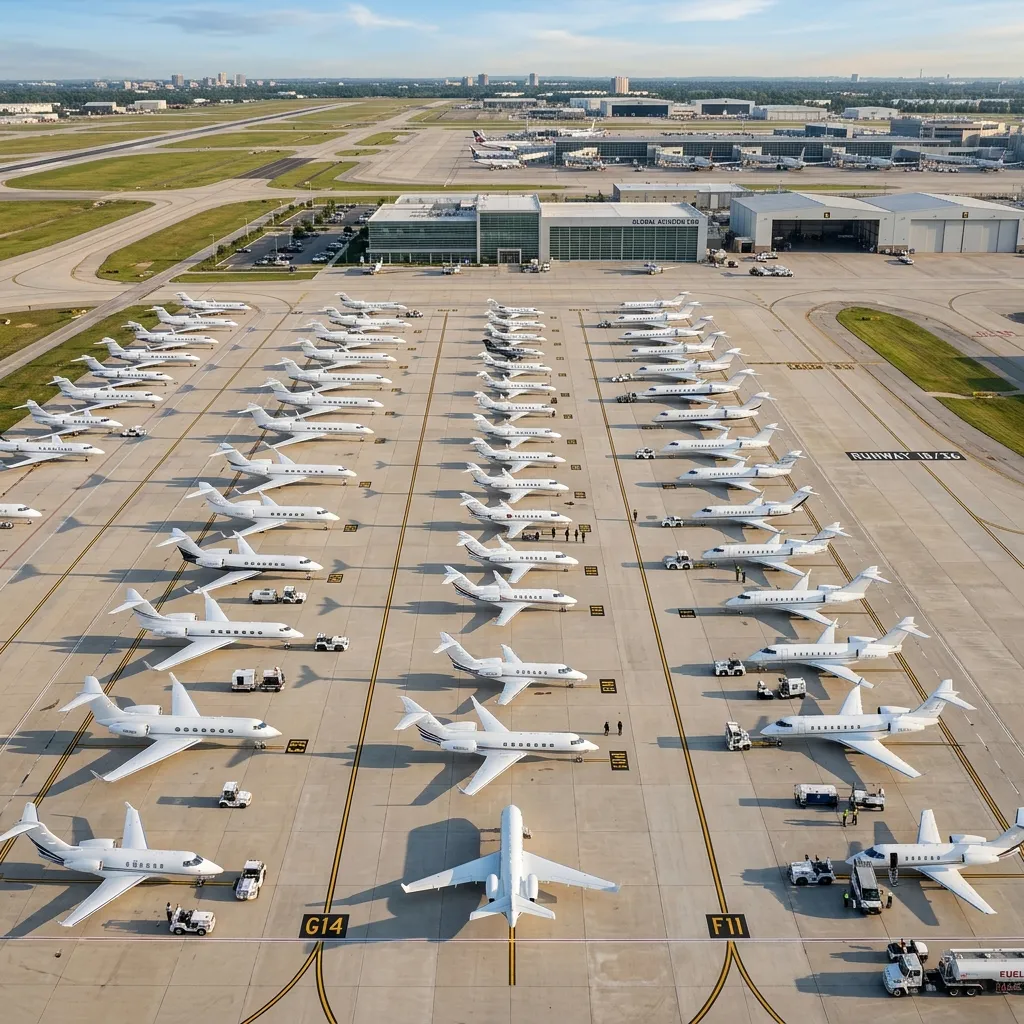
The United States is home to the largest concentration of Challenger aircraft worldwide. Approximately 850 to 900 Challengers carry N-registrations, representing roughly 55% of the global active fleet. Canada, the aircraft's country of origin, has approximately 150. Europe, the Middle East, and Latin America account for the remainder. Brazil and Mexico each have significant Challenger fleets due to the aircraft's suitability for the region's long domestic routes and varied airport infrastructure.
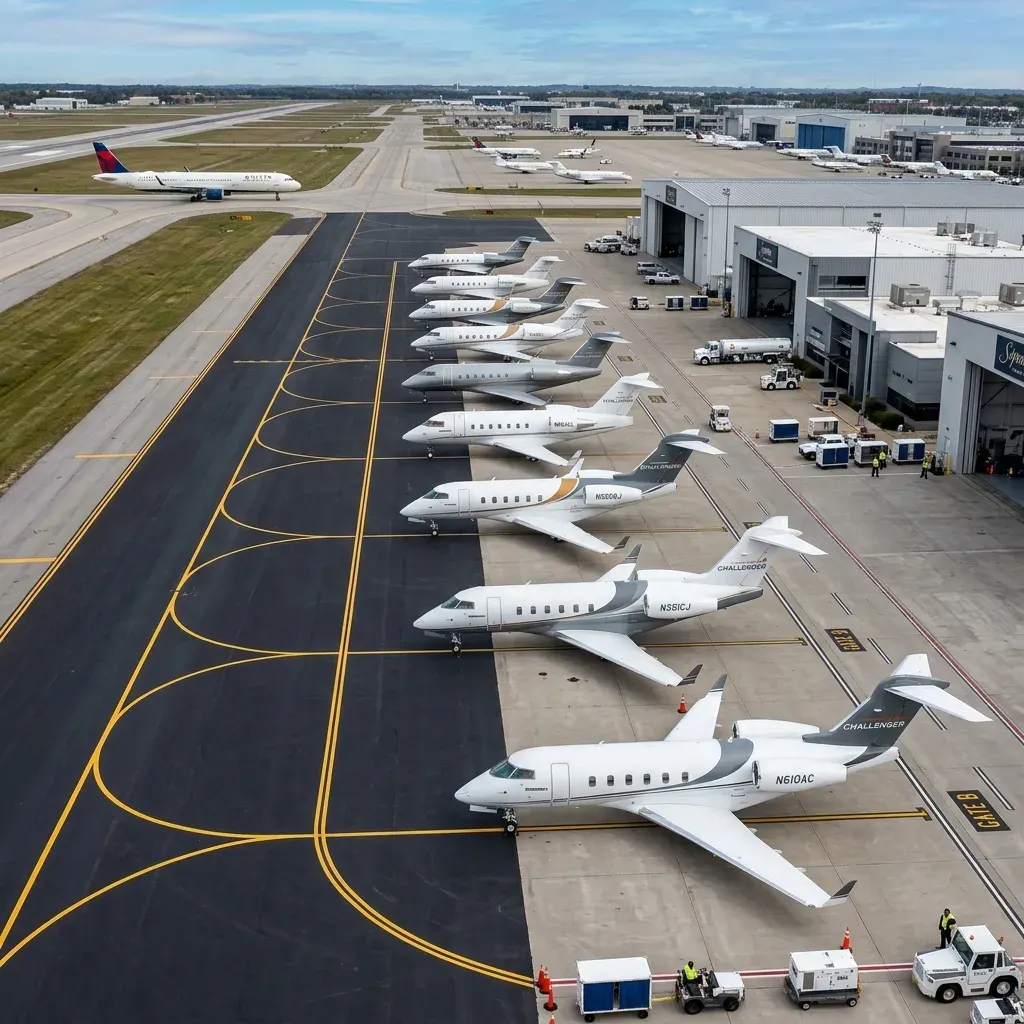
Within the U.S. registry, ownership patterns vary by variant. The 604 fleet is heavily concentrated among Part 135 charter operators, with approximately 40% operating under charter certificates. The 350 fleet is split more evenly between corporate flight departments (50%), charter operators (30%), and fractional programs (20%). NetJets and Flexjet both operate Challenger 350 variants as part of their fractional fleets, contributing to the type's high visibility among charter passengers.
State-level distribution follows predictable patterns. Florida, Texas, and California host the most registered Challengers, consistent with general business aviation concentration. New York, New Jersey, and Connecticut (the Tri-State area) have a disproportionately high number of 604s relative to other types, reflecting the area's heavy charter demand for wide-body transcontinental flights. The Mountain West states (Colorado, Utah, Wyoming) have growing Challenger populations driven by resort and second-home aviation traffic.