The $5 Million Threshold in 2026
Five million dollars is the entry point where business jet ownership stops being aspirational and starts being mathematical. Below $5M, at least 37 distinct jet models are available on the pre-owned market with sufficient inventory to allow comparison shopping. The 2023-2024 pricing correction brought several models back below this threshold that had temporarily climbed above it during the pandemic. A 2010 Phenom 300 that traded at $7.5M in mid-2021 now lists at $4.5-$4.8M. A 2008 Citation XLS that sold for $5.2M in 2022 trades at $3.5-$3.8M today.
The correction was not a collapse. It was a normalization. Pandemic-era pricing was driven by scarcity and panic demand, not intrinsic value. Current prices reflect the actual utility of these aircraft: reliable, well-maintained machines with 15-25 years of service life remaining. For a first-time buyer flying 200-300 hours per year, the sub-$5M market offers legitimate options across every category from very light jets to heavy jets.
Very Light Jets: $1.2M-$2.5M
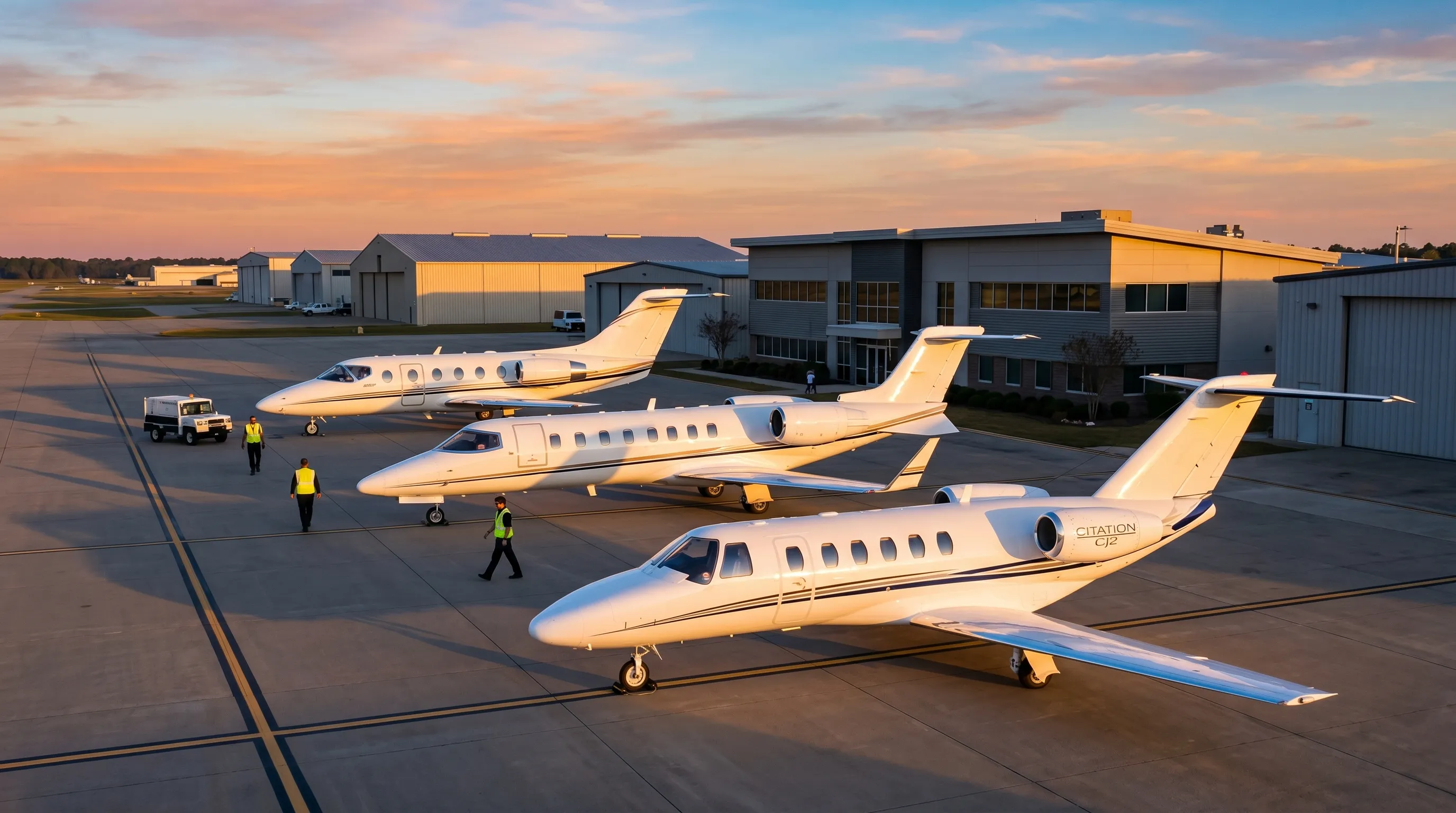
The Citation Mustang is the value play. Cessna built 479 of them between 2006 and 2017. The Williams FJ44-4 engines are cheap to operate at $200/engine/hour on the TAP program. Range is 1,167 NM. Speed is 340 knots. The cabin seats 4 in a club configuration with no lavatory. For a buyer who flies 500-800 NM trips with 2-3 passengers, the Mustang at $1.5M is the lowest total cost of ownership in business aviation.
The Eclipse 500/550 looks attractive on paper at $800K-$1.5M. In practice, Eclipse Aviation went bankrupt in 2008, was resurrected as Eclipse Aerospace, then became One Aviation, which also went bankrupt. Parts support exists through Eclipse Service Centers but the supply chain is thinner than Cessna or Embraer. Buy an Eclipse only if you have a mechanic who knows the type and a parts pipeline you have personally verified.
Light Jets: $2.0M-$4.5M
The Citation CJ3 is the sweet spot in this category. 410 airframes delivered. Williams FJ44 engines with the TAP program. Garmin G3000 avionics on later models. 1,875 NM range covers coast-to-coast with one fuel stop. A 2008 CJ3 with 3,000 hours and enrolled engines trades at $3.0-$3.5M. Annual operating cost at 250 hours: approximately $300,000-$350,000 including engine reserves, insurance, hangar, crew, and inspections.
The Learjet 45/45XR offers more cabin volume and speed (465 knots) than the CJ3 but at higher operating costs. The TFE731 engines burn 20% more fuel. Insurance premiums are higher due to the Learjet fleet's accident history. Parts costs are increasing as Bombardier winds down Learjet support. For a buyer who prioritizes speed and does not mind the maintenance cost trajectory, the Learjet 45XR at $2.0-$2.5M is a performer. For a buyer who prioritizes total cost certainty, the CJ3 wins.
Need a Charter Quote?
Contact our team for a personalized quote.
Get a Quote →Midsize Jets: $1.8M-$4.5M
The Citation XLS+ is the most liquid asset in this category. Cessna delivered over 900 Excel/XLS/XLS+ airframes. The aftermarket is deep. Parts are abundant. Every MRO in the country knows the type. A 2010 XLS+ with enrolled PW545C engines and 3,500 hours lists at $3.5-$4.0M. The XLS+ offers stand-up cabin height (5.7 feet), 8 passengers, and 2,100 NM range. For a first-time buyer who wants a proven platform with low acquisition risk, this is the aircraft.
The Hawker 800XP is the contrarian pick. At $1.5-$2.0M for a 2002-2004 vintage, it offers the widest cabin in the midsize class (5.9 feet wide, 5.75 feet tall), a stand-up lavatory, and 2,540 NM range. The downside: TFE731 engines are Stage 3 only, which restricts nighttime operations at TEB and SNA. Honeywell MSP enrollment is mandatory for budgeting. And the type is aging out, which means insurance costs climb 5-8% annually. Buy it for the cabin. Budget for the engines.
Heavy Jets Under $5M: Yes, They Exist
The sub-$5M heavy jet market is small but real. A 2000-2004 Gulfstream GIV-SP trades at $2.5-$4.5M depending on engine time and interior condition. The GIV-SP offers intercontinental range (4,220 NM), a 45-foot cabin, and Rolls-Royce Tay 611-8 engines. The catch: annual operating costs at 300 hours exceed $600,000, making it the most expensive aircraft on this list to operate relative to its acquisition price.
- Gulfstream GIV-SP (2000-2004): $2.5M-$4.5M acquisition. $600K-$800K/year operating cost. 4,220 NM range.
- Challenger 604 (2000-2006): $3.0M-$4.8M acquisition. $500K-$650K/year operating cost. 4,000 NM range.
- Falcon 900B/C (1997-2004): $2.0M-$3.5M acquisition. $500K-$650K/year operating cost. 3,600 NM range. Three engines.
- Falcon 50EX (1997-2007): $1.5M-$3.0M acquisition. $450K-$600K/year operating cost. 3,250 NM range. Three engines.
Buying a heavy jet under $5M is a cash flow decision, not an acquisition decision. The aircraft is cheap. Operating it is not. A $3M GIV-SP that flies 300 hours per year costs $2,000-$2,700 per flight hour in direct operating costs. Over a 5-year ownership period, the operating costs exceed the acquisition price. If you have the flight volume to justify a heavy jet but not the budget for a newer airframe, these sub-$5M options work. If you are stretching to afford the acquisition, you cannot afford the operation.
What to Watch For in Every Sub-$5M Purchase
Engine Program Status
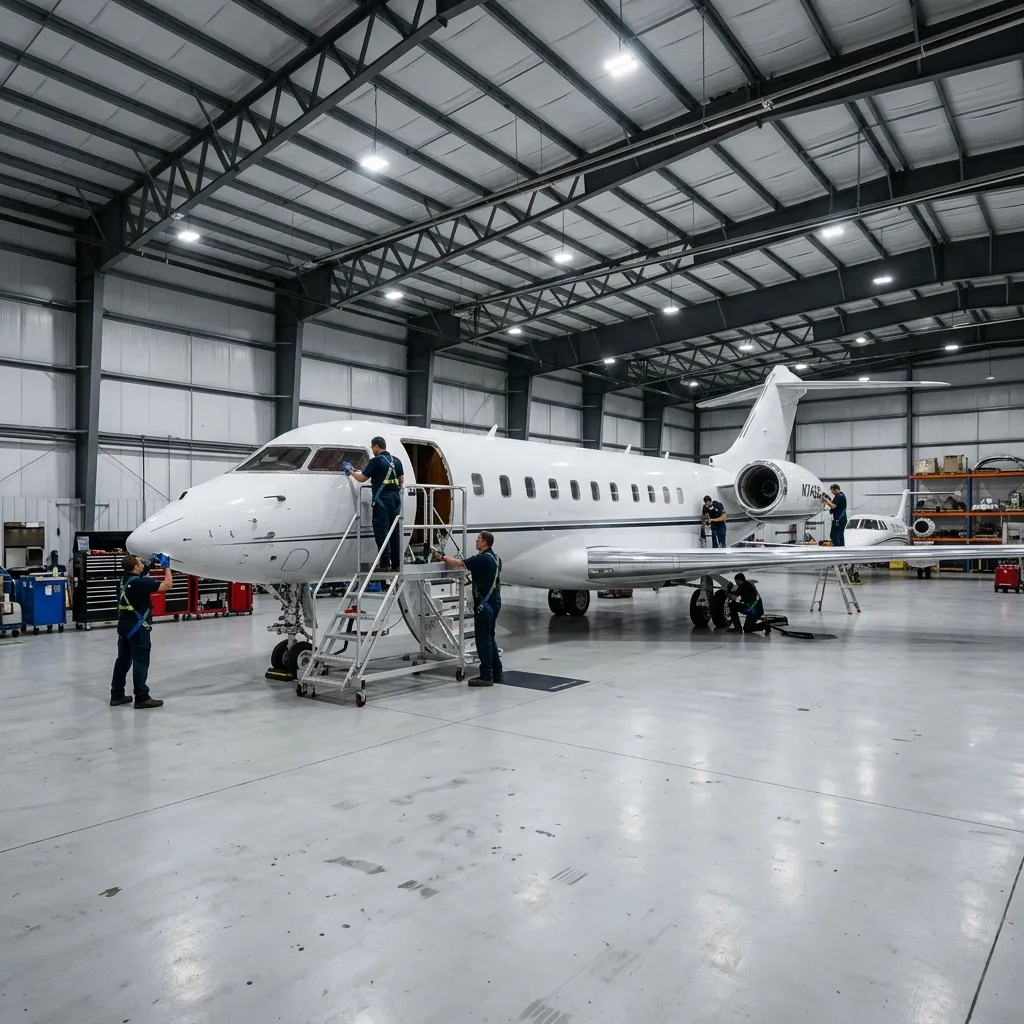
Enrolled engines are non-negotiable below $5M. At this price point, the aircraft is 10-25 years old. A hot section or overhaul event on unenrolled engines can cost 30-50% of the aircraft's market value. If the seller's engines are not enrolled, negotiate the buy-in cost as a purchase price reduction. Do not accept unenrolled engines and plan to enroll later; the buy-in increases with every hour flown.
Avionics Obsolescence
ADS-B Out is mandatory. If the aircraft does not have ADS-B Out compliant transponders, budget $100,000-$250,000 for the upgrade. WAAS/LPV approach capability is not mandatory but adds significant operational value and resale premium. A Collins ProLine 21 avionics suite is serviceable but increasingly expensive to maintain as Collins shifts support to newer platforms. Garmin retrofits (G600TXi, G700TXi, GFC 600) run $150,000-$400,000 but transform a 20-year-old cockpit into a modern flight deck.
Corrosion and Structural Life
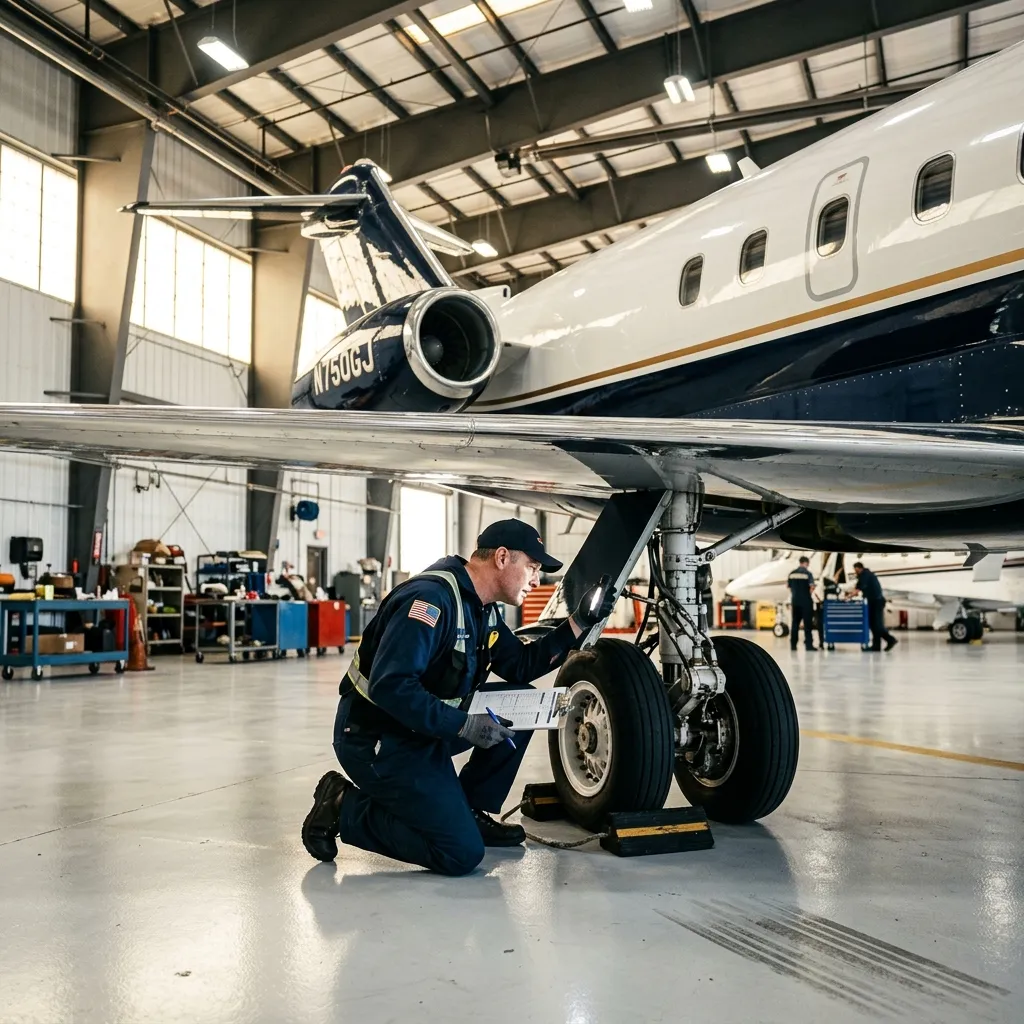
Aircraft below $5M are old enough to have corrosion history. Request the full corrosion log from the last C-check or 12-year inspection. Any aircraft based in coastal or high-humidity environments (Florida, Gulf Coast, Caribbean) for extended periods requires extra scrutiny. Structural repairs are expensive and reduce resale value disproportionately to their cost.